A New Geopolitical Landscape That Will Not Wait for Us
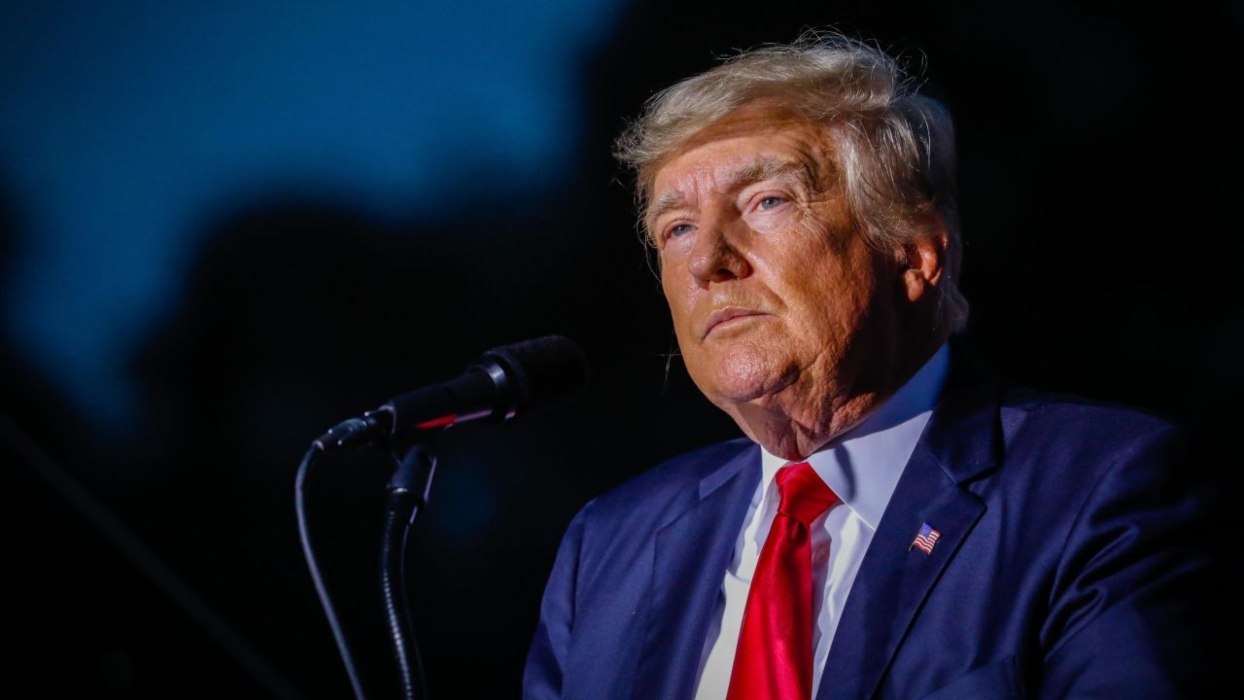
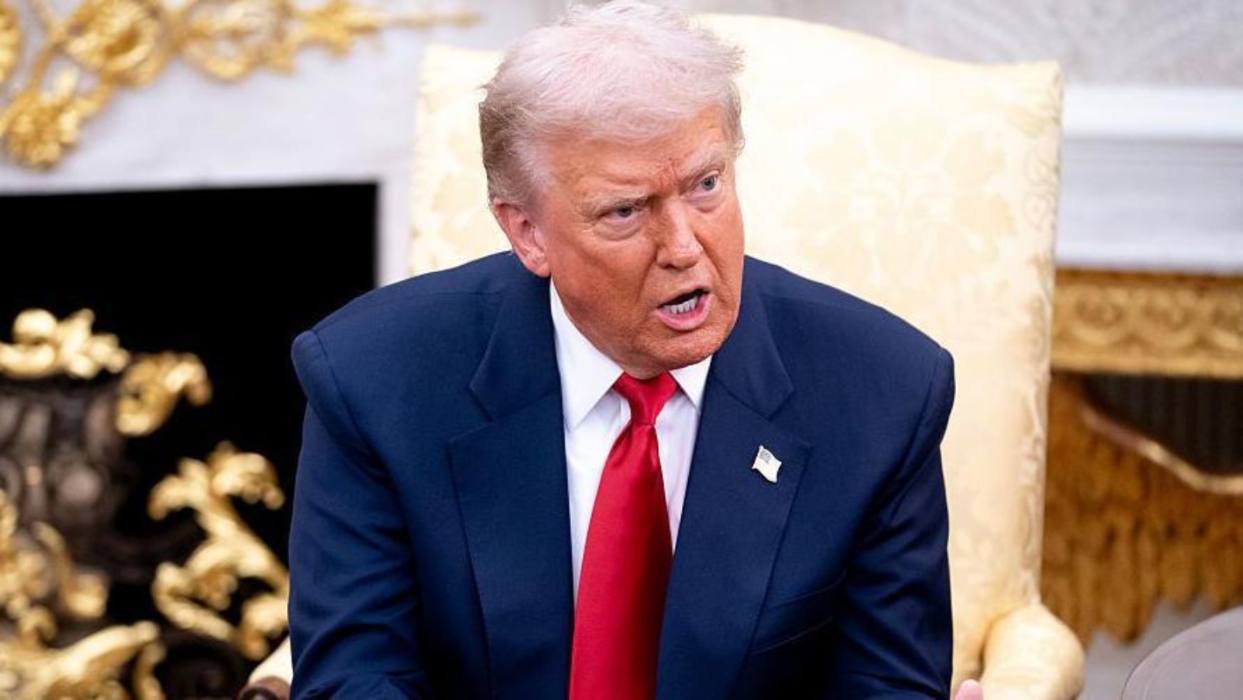
“Trump has a plan for us; what do we have?”
The question is neither rhetorical nor alarmist. It captures a new truth: the era of Greek “strategic immobility” toward Turkey has ended. Conditions are forming and developments are unfolding that will simply sweep away anyone who underestimates them.
The United States now openly declares that it has a detailed, time-bound plan for the Eastern Mediterranean — one with clearly assigned roles, expectations, and outcomes.
The American “Mortar”: Washington Wants to Bind Greece and Turkey Together
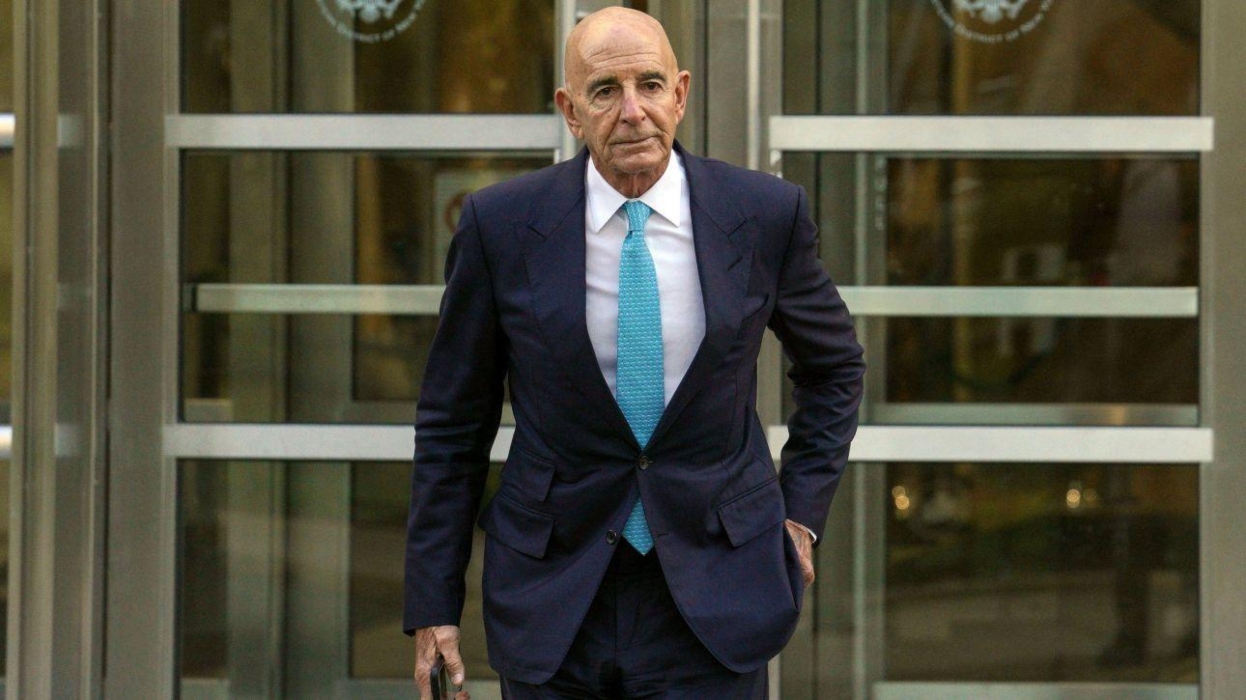
In his striking interview with Kathimerini, U.S. Ambassador to Turkey Tom Barrack stated with unusual bluntness:
“We want the U.S. to act as mortar, like that which binds two bricks… The time has come. It must be done.”

This encapsulates the American perspective:
- Greece and Turkey as interconnected pillars in a redesigned regional order
- A strategic energy axis from the Caspian to the Mediterranean
- The view that Cyprus is an “abscess” that must be treated for the system to function
- And above all: a new regional architecture that Washington wants to build quickly
It is an American vision — clear, candid, and unapologetically strategic.
The Halki Seminary as a “Carrot” — and the Question Behind It
The U.S. is no longer hinting. It is setting a date: September 2026.The reopening of the Halki Theological School is framed as a deliverable, not an aspiration.

And every deliverable has a price.
So what will the trade-offs be?
- Maritime zones?
- A new framework for the energy corridors?
- A “Trump-style” formula for Cyprus?
When a superpower says:“Cyprus is an abscess that must be healed,” it means the issue is about to be addressed in a way that may challenge long-standing Greek positions.
The New Energy Chessboard: Vertical Corridor, Caspian–Mediterranean Axis
U.S. Interior Secretary Doug Burgum described the Vertical Corridor as the opportunity to “end the conflict along the border that has lasted more than a century,” referring to Greek-Turkish tensions.
He did not say mitigate. He said end.
This signals a vision of Greece and Turkey not as historical rivals but as joint gatekeepers of a trans-regional energy system:
- Caspian hydrocarbons
- A Mediterranean outlet
- A logistics and energy bridge linking East and West
This is the core of Washington’s strategic interest.
Greece Must Choose: Strategy or Passive Adjustment?
In this new environment, inertia is not an option. Greece must present:
- A coherent maritime-zone doctrine
- A national plan for the role it wants in the evolving energy corridors
- Clear red lines on Cyprus
- A unified political front
Because, as even U.S. officials warn, developments will sweep aside anyone who underestimates them.
The Eastern Mediterranean today is the intersection of:
- religious,political,
- energy,
- economic, and
- military dynamics.
No stakeholder — certainly not Greece — can afford slow reflexes.
The Entire Political System Will Be Tested
These issues cannot be treated as the government’s burden alone. All political actors will be judged by:
- their strategic clarity,
- their preparedness,
- their ability to think beyond partisan reflexes.
Washington is moving fast, and with a mechanical, engineering-like approach to geopolitics — identifying problems, assigning roles, imposing timelines.
Greece cannot approach this with internal fragmentation or outdated assumptions.
A New Era in the Eastern Mediterranean — and the Clock Is Ticking
Under Trump, U.S. foreign policy is not slow diplomacy but accelerated geopolitical architecture. Pieces are being placed. Timetables set. Signals delivered — loudly and publicly.
The question is no longer what America wants.That is clear.
The real question is: What does Greece want — and how quickly can it articulate it?
Πηγή: pagenews.gr