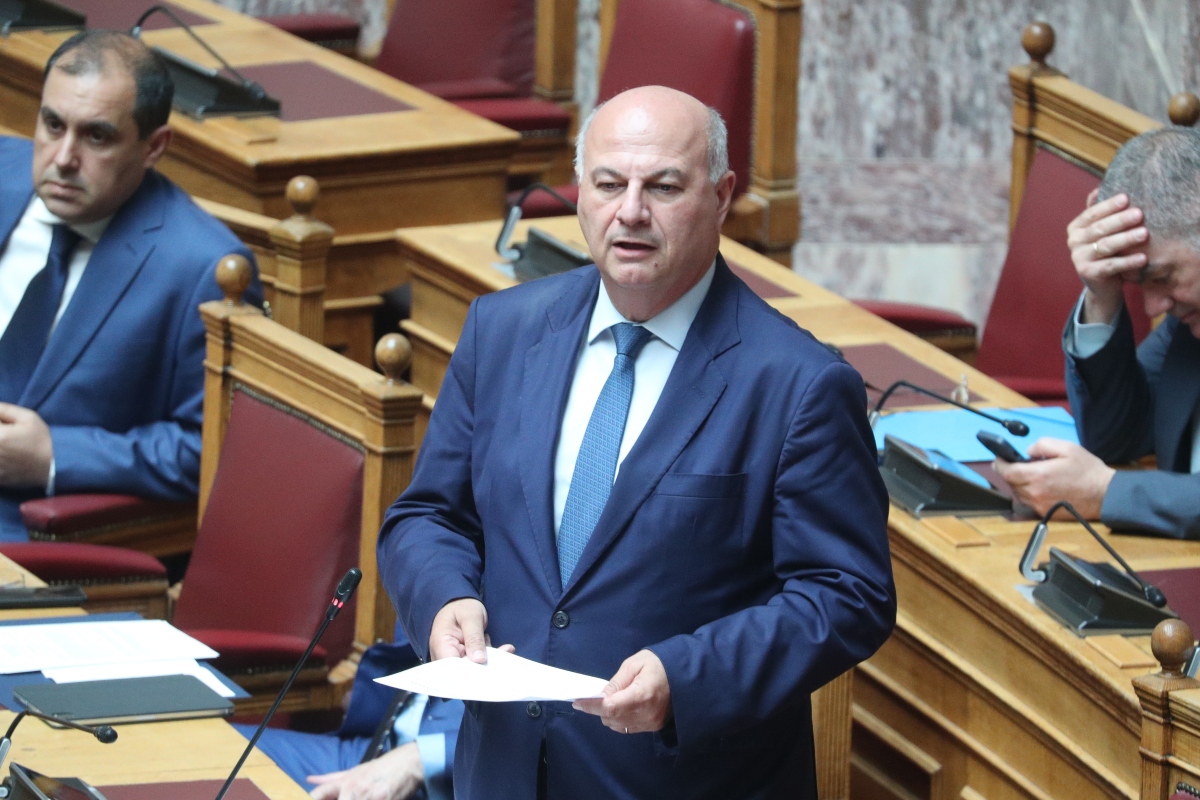
Greek Minister of Rural Development and Food, Kostas Tsiaras, spoke on Action 24 on Tuesday morning (Dec. 2) regarding the ongoing farmer protests and delays in disbursing payments to the primary sector.
He described the situation as “a difficult period for the entire agricultural community”, noting that the government had already announced payment schedules starting in early October. Tsiaras emphasized that advance payments of basic subsidies were delivered on time and that the ministry remains open to dialogue, implementing financial relief measures to support farmers’ livelihoods.
“The ministry’s door remains open, and every possible fiscal measure is being taken to ensure that the agricultural community stands strong,” he stated.
Pending payments and EU funding
Regarding outstanding amounts, Tsiaras clarified:“After €3.7 billion has been disbursed, €1.2 billion still remains. These are European Union funds, and a herculean effort is underway to ensure they are paid by the end of the year, resolving past arrears.”
This statement underscores the government’s determination to stabilize the agricultural sector before the end of 2025, giving farmers certainty while addressing historical delays.
Political motivations and dialogue
Asked whether the protests are politically motivated, Tsiaras responded: “I do not believe these reactions are politically instigated.”
He stressed that dialogue is key, noting that meetings between farmers and the Prime Minister have occurred in the past. The next phase, he explained, involves structured negotiation at the level of agricultural development, aiming for lasting and sustainable solutions rather than temporary political gestures.
Protests, social responsibility, and conduct
Tsiaras addressed the conduct of demonstrations, highlighting the need for responsibility:
- Dialogue and mutual willingness are essential for resolving conflicts.
- Extreme acts, such as damaging police vehicles or aggressively blocking roads, are unacceptable.
- Protests should avoid harming other social groups, with open-road demonstrations being preferable.
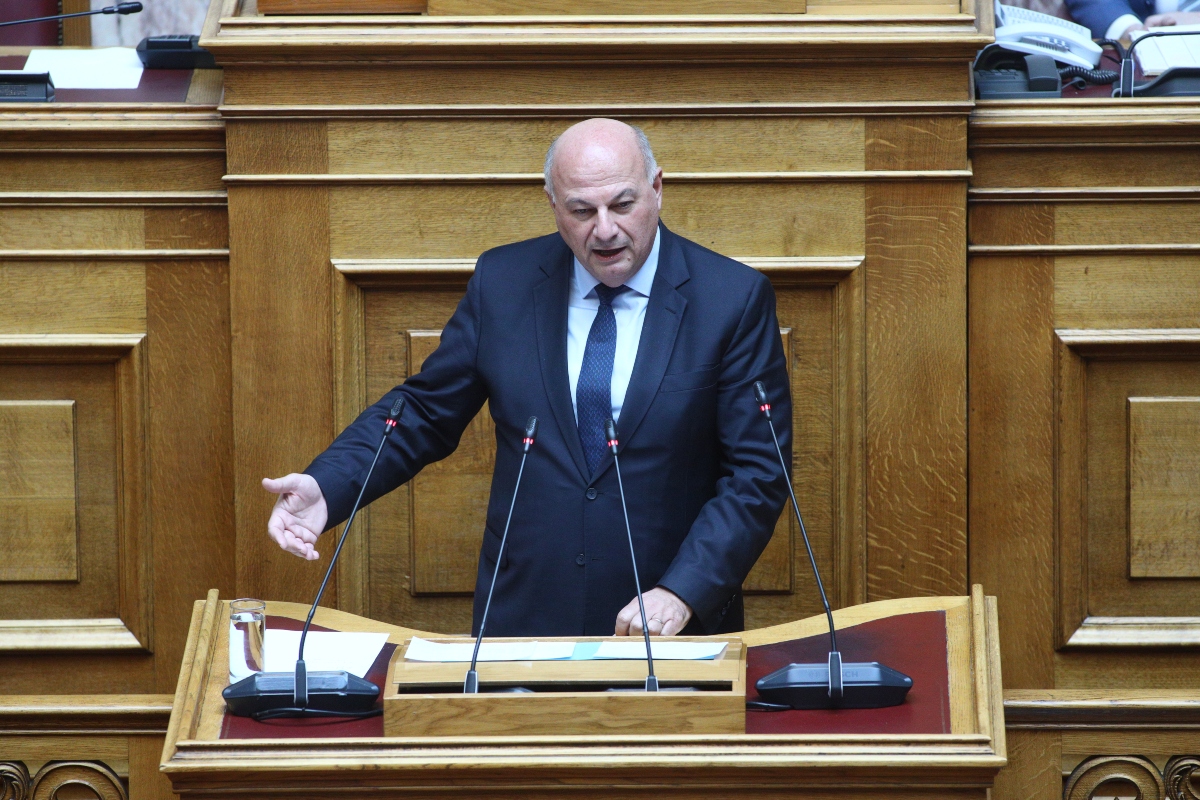
In his words: “All problems are solved through dialogue when both sides are willing. When protests harm other societal groups, participants must consider this. Extreme acts cannot be justified as mere expressions of frustration.”

Political and social implications
Tsiaras’ statements highlight several critical dimensions of Greece’s agricultural policy and political landscape:
- Government commitment and credibility: Ensuring the disbursement of €1.2 billion in EU-backed funds reinforces trust and mitigates financial instability in rural areas.
- Balancing social and political tension: By rejecting claims of political motivation while cautioning against extreme protest behavior, the government positions itself as a stabilizing force.
- Dialogue over confrontation: Structured negotiations reflect an effort to defuse tensions and achieve sustainable solutions in the agricultural sector.
- Public perception and media narrative: With farmers increasingly visible in the media, the government seeks to demonstrate responsiveness while maintaining law and order.
The remaining payments represent not just fiscal obligations but a litmus test of the government’s ability to manage social unrest, maintain stability in rural areas, and strengthen public confidence heading into 2026.
Source: pagenews.gr