
Ömer Çelik, spokesperson for Turkey’s ruling party, launched a fierce attack on Greek Defense Minister Nikos Dendias over the recently unveiled defense doctrine, which includes the deployment of missile systems on Aegean islands.
According to Çelik, this is not a mere defensive measure but a provocation that dramatically escalates tensions in the Aegean and Eastern Mediterranean. Turkish media, particularly pro-government outlets, described the Greek statements as a “cause for war.”
Personal Attack on Dendias
Çelik did not limit himself to general statements:
- He called Dendias a “troll in a ministerial office”, referencing his previous tenure as Foreign Minister.
- He claimed that Dendias’s remarks are “far from diplomacy” and serve domestic political games, implying that the Greek minister’s strategy is largely anti-Turkish rhetoric for political gain.
Specifically, Çelik told Haberturk that “leadership requires a reduction in conflicts and tensions,” and that Dendias’s statement about “arming the islands further” is wrong and dangerous.
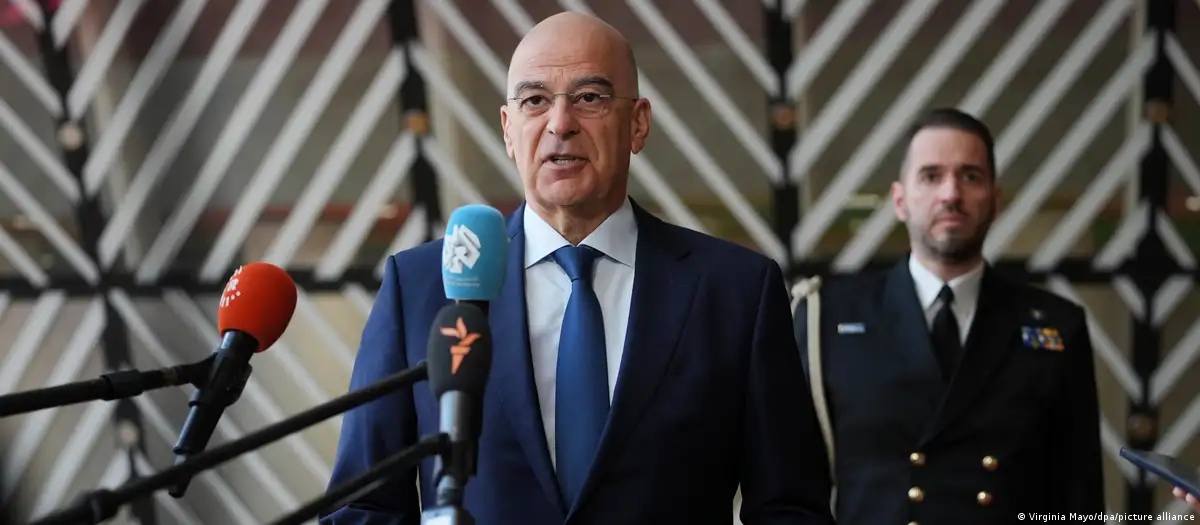

Turkey and Diplomacy
Despite the strong rhetoric, Çelik emphasized that Ankara will not adjust its agenda based on the words of a ‘troll’. At the same time, he reiterated support for Turkish Cypriots and the TRNC, accusing the Greek Cypriot side of close collaboration with Israel and turning Cyprus into an “arms depot.”
He also added that Turkey will continue diplomacy and pursue mutual steps to restore relations with Greece, leaving the door open for dialogue—but under strict conditions.
Parapolitical Reading
- Çelik’s statement serves a dual purpose: strengthen Ankara’s domestic political front while simultaneously warning Greece about potential military upgrades in the Aegean.
- The personal attack on Dendias functions as a psychological message, signaling that Turkey is closely monitoring Greek statements and politicizing even defensive rhetoric.
- Behind the scenes, this tension likely connects to diplomatic strategies within the EU and NATO, as well as managing domestic public opinion in Turkey.
Source: pagenews.gr