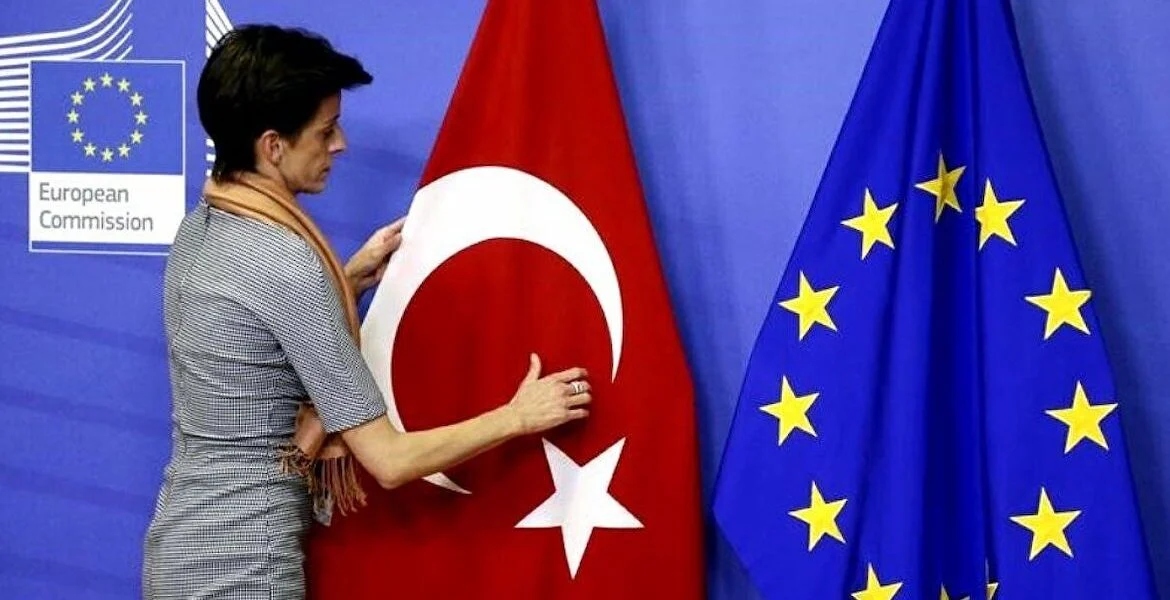
The European Union is moving fast with the first major step toward a common defense policy through the SAFE (Security Action for Europe) program, worth up to €150 billion. Its goal: modernize and increase autonomy for member states’ armed forces.
In this context, the news that Turkey is left out of SAFE, while Greece participates fully, represents a major win for Greek strategic diplomacy and a blow to those predicting Ankara would enter the European program unopposed.
SAFE: From Funding Tool to Geopolitical Lever
SAFE is more than a funding mechanism. It is the backbone of European rearmament for the next decade, offering low-interest loans for joint purchases of critical defense systems: drones, artillery, air defense, and missile systems.
Greece is not a bystander:
- National plan: €1.2 billion
- Approved funding: €787.67 million for modernization of the Armed Forces
- Partnerships with other European countries
With 3.1% of GDP spent on defense, Greece is among Europe’s top countries, but much of that spending has historically gone to imports, not domestic production. SAFE changes that, promoting the development of a domestic defense industry.

Turkey Left Out – Greek Veto Matters
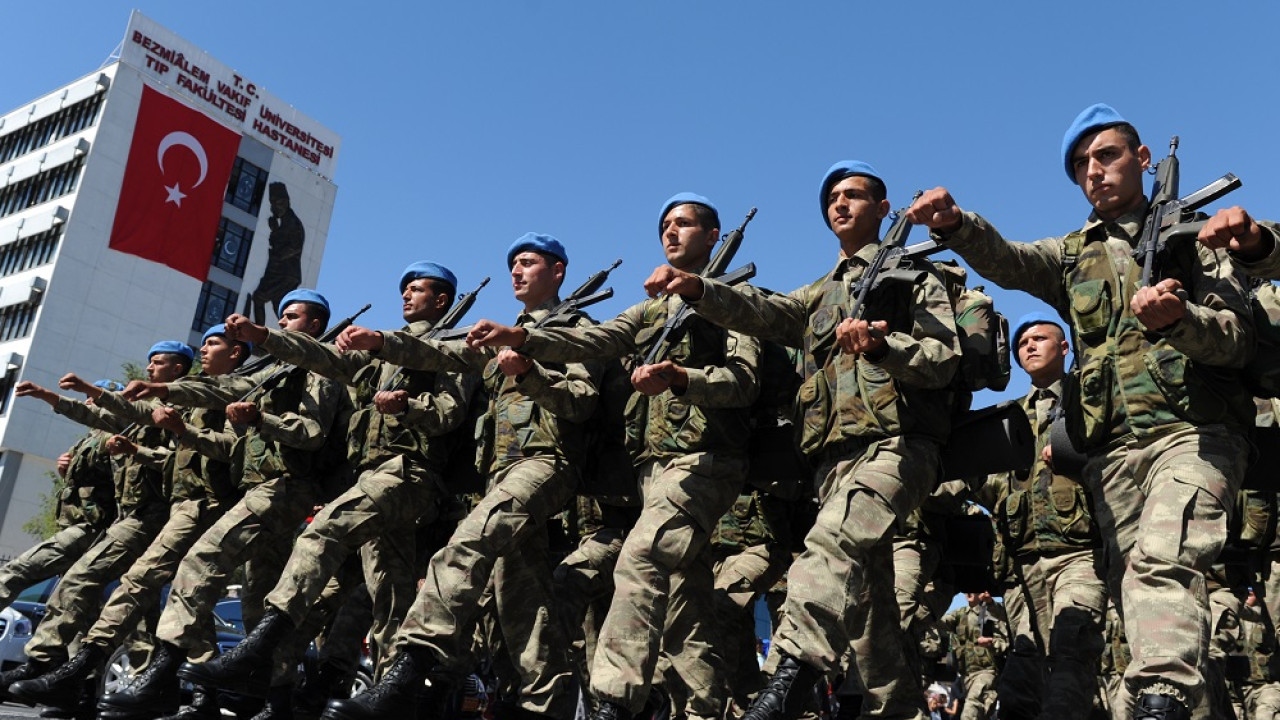
The European Commission confirmed that Turkey and South Korea missed the critical deadline to submit national plans and are therefore excluded from the main SAFE loan phase.
Athens and Nicosia maintained a firm stance:
- No Turkish inclusion while the casus belli for the 12-mile limit is in effect
- Mandatory alignment with EU principles
- Political pressure through public and behind-the-scenes channels
The outcome shows that Greek diplomacy was not a passive observer, overturning narratives that Turkey would inevitably join SAFE.
Ankara’s Reaction – Media Fireworks
Turkish media criticize Greek “maximalism,” while the Erdoğan government tries to present the outcome as Greek overreach, rather than the consequence of its own Aegean and Cyprus policies. Meanwhile, Cyprus emphasizes that Turkey effectively excluded itself by failing to meet criteria.
Tensions are expected to continue, as SAFE allows third-country participation up to 35%, and Greece must monitor possible indirect entry attempts by Ankara through proxy companies.
The Greek Dilemma: Buy or Produce Security?
According to Greek government sources, SAFE raises a crucial question:
“Do we want to be a country that produces security, or one that only buys it?”
Answering this requires:
- Long-term investment in domestic defense industry
- Collaboration with universities and high-tech companies
- Development of ecosystems producing sensors, software, and combat systems, not just maintaining a few shipyards or ammunition factories
SAFE is an opportunity for Greece to turn EU loans into real deterrence, strengthening its European defense dimension.
By participating in SAFE, Greece scores a strategic win, boosting its position in Europe and the Eastern Mediterranean. Turkey reacts, but the result shows that Greek policy is effective, combining firm diplomacy with European collaboration.
As SAFE is implemented, Greece’s real challenge is to translate approved funds into actual security production, not just purchases. The SAFE program, as it stands, points toward a new era in Greek defense, with a clear European stamp.
Source: pagenews.gr