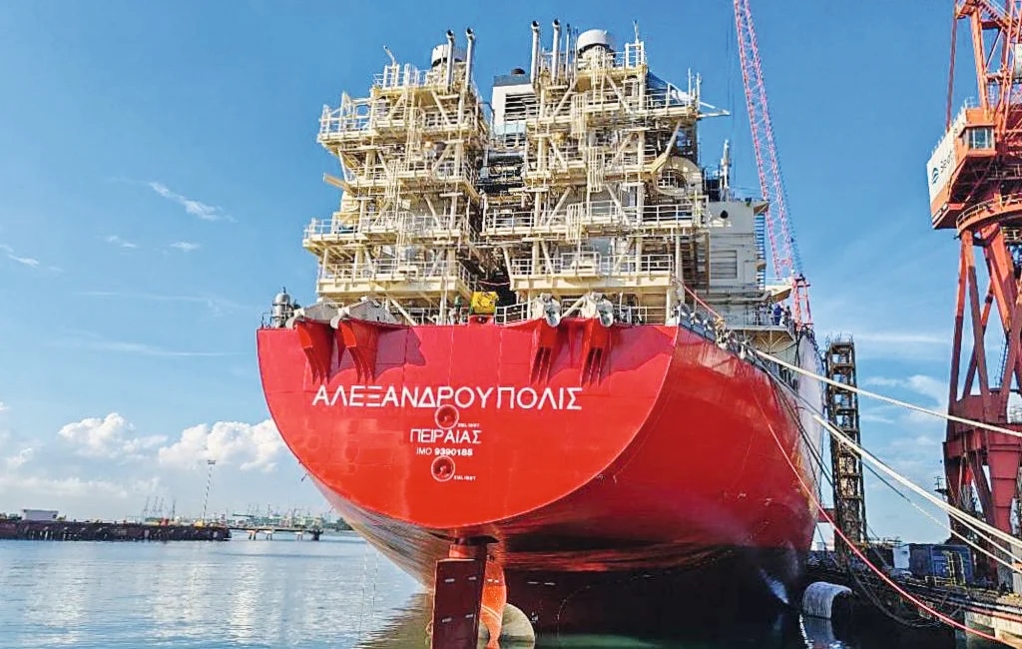
Greece Strengthens its Role as an LNG Gateway
Greece is rapidly positioning itself as a strategic energy hub for Southeastern Europe, following growing U.S. pressure and proactive regional initiatives. At the Hellenic-American Chamber of Commerce conference, Josh Huck from the U.S. Embassy in Athens stressed the need for enhanced infrastructure, regulatory alignment, and new trade agreements to expand the import and re-export of American LNG.
“The energy ties between Greece and the U.S. are stronger than ever,” Huck noted, highlighting Greece’s capacity to serve as a conduit for American LNG to countries like Ukraine and beyond.
Trade Deals and Infrastructure Expansion
Behind the scenes, new commercial agreements are reportedly being negotiated between Greek and American companies. The U.S. side is advocating for increased LNG regasification capacity through additional FSRU units, aiming to turn Greece into a major transit hub for American liquefied natural gas to Southeastern Europe.
Huck highlighted Greece’s existing infrastructure, including:
- Revythoussa LNG Terminal
- FSRU Alexandroupolis
- TAP pipeline carrying Azeri gas
These facilities form the backbone of the Vertical Corridor, ensuring that American LNG can reach Ukraine and other regional markets efficiently.
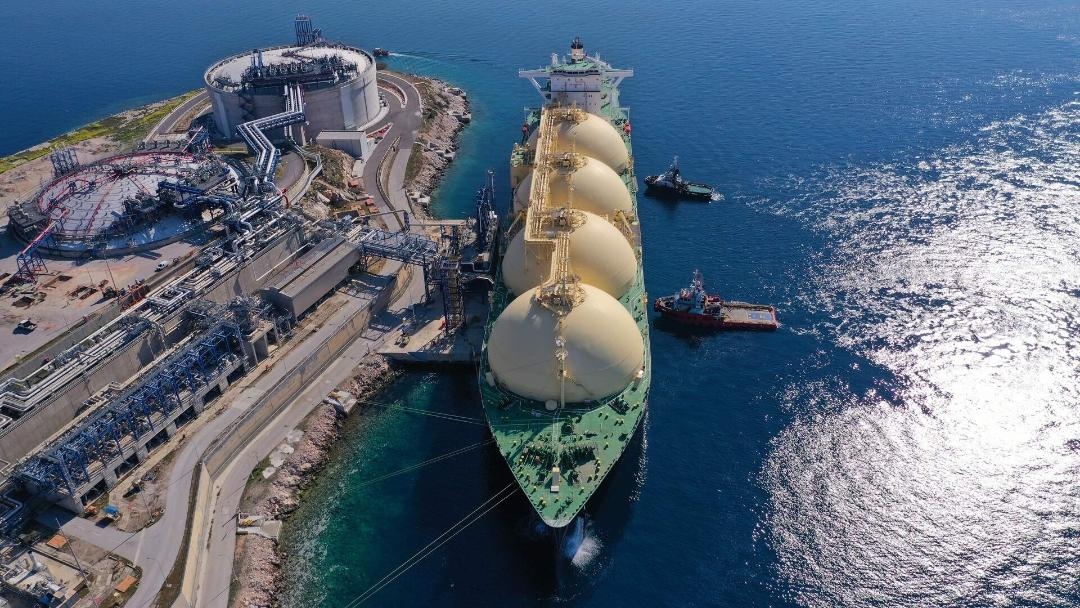

Regional Collaboration and Overcoming Bottlenecks
The gas system operators from Greece, Bulgaria, Romania, Moldova, and Ukraine signed a joint letter to regulators, requesting increased gas flow capacities to Ukraine via Greece. The letter identifies a current bottleneck in Bulgaria that must be bypassed to maximize gas volumes through Routes 1, 2, and 3.
“This collaboration enhances not only regional energy security but also the strategic role of Greece as an LNG hub,” said Huck.
To incentivize usage, the operators have agreed to substantial network fee discounts:
- DESFA and Bulgartransgaz: 25% discount
- Romanian Transgaz and Moldovan Vestmoltransgaz: 50% discount
- Ukrainian operator and ICGB: 45% discount
The goal is to hold the first auctions for Routes 2 and 3 by the end of December, with anticipation of higher demand than Route 1 due to Ukraine’s pressing energy needs amid harsh winter conditions.
Greek LNG: Strategic Leverage for Ukraine and Europe
Deputy Minister of Energy Nikos Tsafos underscored that the disruption of Russian gas supplies to Ukraine creates a critical gap that Greek LNG infrastructure is ready to fill. Greece is already the 15th largest global importer of U.S. LNG, reinforcing its position as a regional energy pivot.
The Vertical Corridor initiative highlights Greece’s growing geopolitical and energy influence, combining:
- Advanced LNG infrastructure
- Strategic location at Europe’s southeastern crossroad
- U.S. partnership and investment
- Enhanced regional cooperation from Greece to Ukraine
Greece as the LNG Conduit
With the Vertical Corridor and U.S. collaboration, Greece is poised to become a critical hub for American LNG, ensuring energy security for Ukraine and Southeastern Europe. Regulatory reforms, expanded infrastructure, and new trade agreements will amplify the country’s strategic energy footprint and cement its role as Europe’s southeastern LNG gateway.
Source: pagenews.gr