


Russia–Turkey Tug-of-War Over S-400s Amid F-35 Ambitions
 ΧΡΟΝΟΣ ΑΝΑΓΝΩΣΗΣ 4 '
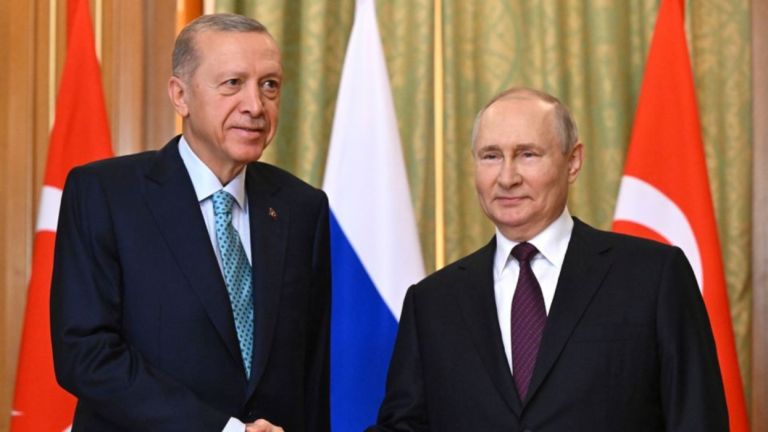
Πηγή Φωτογραφίας: AP Photo//Russia–Turkey Tug-of-War Over S-400s Amid F-35 Ambitions



Turkey is caught between legal obligations, strategic ambitions, and political pressure over acquiring F-35 jets, while Moscow reminds Ankara of its commitments regarding Russian S-400 systems, with a decisive Putin–Erdoğan meeting scheduled for Friday.
Moscow Wags Its Finger at Ankara
Russian Foreign Minister Sergey Lavrov publicly expressed Moscow’s deep concern over rumors that Turkey might withdraw its Russian-made S-400 air defense systems, potentially transferring them either to a third country or to the EU for deployment in Ukraine.
During a roundtable discussion, Lavrov emphasized that Russia supplied the S-400s to Turkey years ago and that the systems remain Russian property, “much to the West’s displeasure, including the United States.” He stressed that Turkey cannot make any moves without Russian consent, setting a clear “red line.”
These statements followed U.S. pressures and comments by Ambassador Tom Barrett, who said Turkey cannot acquire F-35s without removing the S-400s. Rumors about possible EU involvement or transfer of the systems to Ukraine added another layer of strategic and diplomatic complexity.
The F-35 Context and Ankara’s Strategic Challenges
Turkey has long sought the fifth-generation F-35 fighter jets, a program deeply tied to its security and NATO status. However, acquiring the F-35 involves complex hurdles:
- CAATSA Sanctions: Strict U.S. sanctions on countries purchasing Russian military equipment; Turkey was previously removed from the program due to S-400s.
- ITAR Compliance: Regulations ensuring F-35 jets do not threaten allies such as Greece and ensuring NATO interoperability.
- Congressional Approval: The U.S. Congress must approve Turkey’s reinstatement and renewal of contracts.
Ankara must balance its strategic ambitions, U.S. obligations, and Russian displeasure. The purchase of the S-400s previously caused significant tension with NATO and the U.S., making reinstatement into the F-35 program a highly delicate diplomatic and legal “tightrope.”
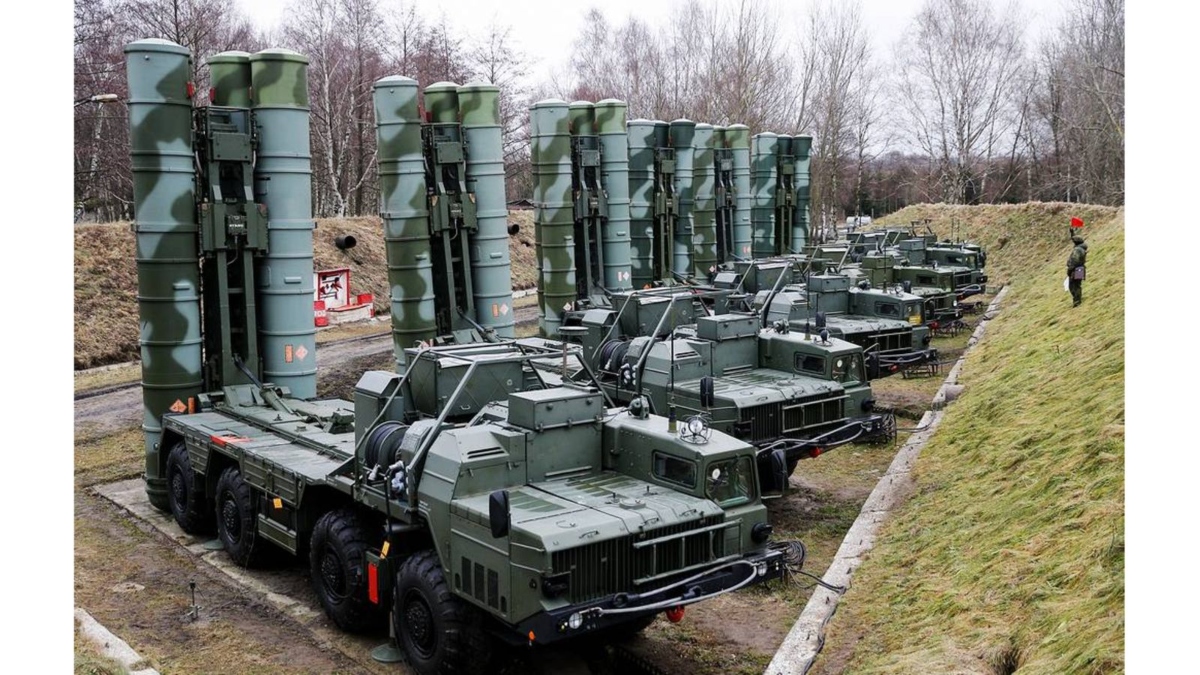
Putin–Erdoğan Meeting in Turkmenistan
The critical meeting in Turkmenistan, during a forum celebrating International Year of Peace and Trust, will determine the next phase of Turkey–Russia relations.
Key agenda points include:
- Possibilities for S-400 release or transfer
- F-35 acquisition agreements
- Maintaining strategic balance within NATO and avoiding diplomatic friction
Lavrov reminded that Turkey cannot act unilaterally regarding the S-400s, and rumors about transferring the systems to the EU or Ukraine have intensified Russian vigilance.
Greece on the F-35 Track
Meanwhile, Greece is strengthening its strategic position, participating in international F-35 meetings. The Chief of the Hellenic Air Force General Staff, Lieutenant General Demosthenes Grigoriadis, met with counterparts at the European F-35 Air Chiefs Meeting in Ramstein, Germany, discussing:
- Interoperability and best practices
- Training and maintenance of fifth-generation fighters
- Coordination with other F-35 acquiring nations
Turkey’s F-35 ambitions, combined with Greece’s ongoing integration efforts, create a delicate geopolitical balance in the Eastern Mediterranean and NATO.
Legal and Strategic Obstacles for Ankara
Turkey faces multiple challenges:
- CAATSA and ITAR compliance
- Congressional approval for F-35 reinstatement
- Negotiations with Russia over the S-400s
- Maintaining NATO alliances
The combination of legal, diplomatic, and strategic pressures makes Ankara vulnerable to political and military pressures from both the U.S. and Russia.
Turkey stands at a critical geopolitical crossroads, where decisions regarding the S-400 and the pursuit of F-35s are not merely technical or military—they will determine:
- Its position within NATO
- Relations with Russia and the U.S.
- Strategic balance in the Eastern Mediterranean
Friday’s developments will show whether Ankara can reconcile its ambitions with legal and diplomatic obligations, avoiding tensions with the U.S., NATO, and Russia—or whether the S-400s will remain a contentious geopolitical bargaining chip in the Middle East and Europe.
Source: pagenews.gr
Διαβάστε όλες τις τελευταίες Ειδήσεις από την Ελλάδα και τον Κόσμο






Το σχόλιο σας