
The confrontation between farmers and the government is entering a new and more confrontational phase, after representatives of the nationwide blockades rejected Prime Minister Kyriakos Mitsotakis’ invitation to a meeting at the Maximos Mansion, instead calling for an open, public dialogue on the critical issues facing the primary sector.
This move was anything but symbolic. It was accompanied by the public release of a unified and detailed list of demands, as well as announcements of further escalation of mobilizations, aimed—according to farmer representatives—at forcing the government to take clear and public positions on specific policy choices.
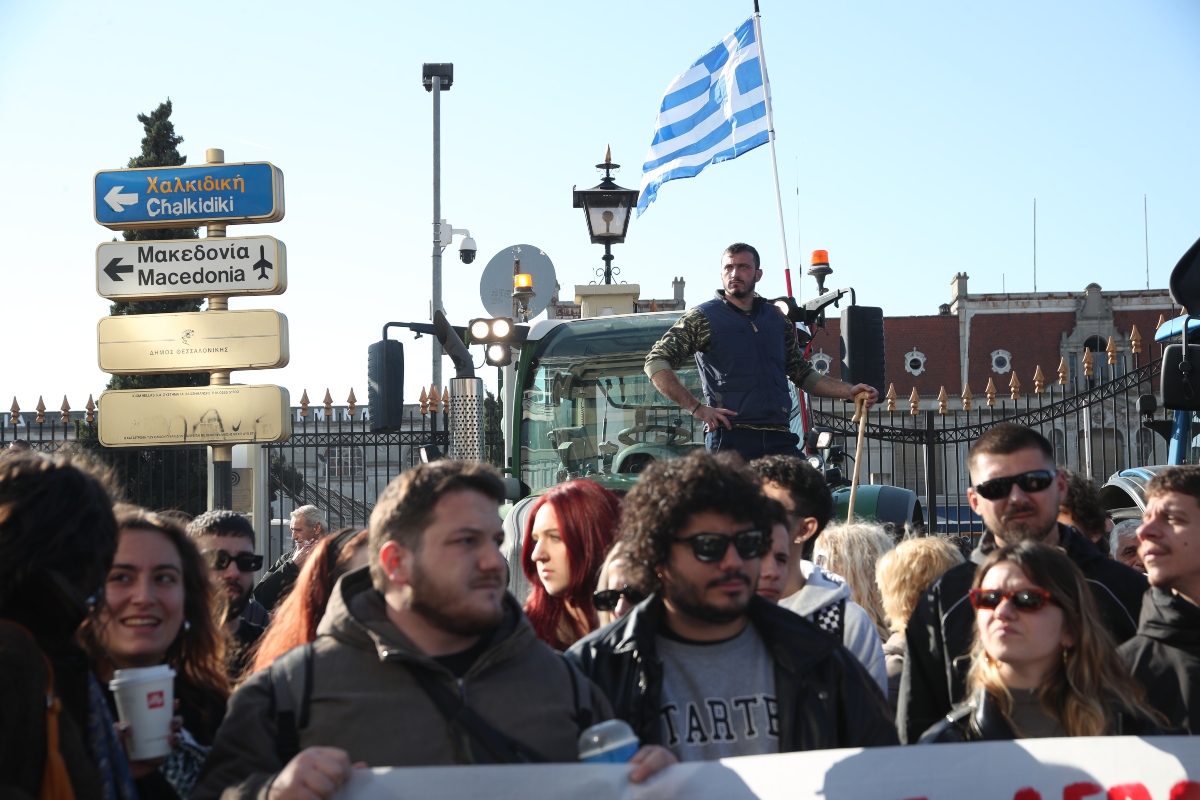

Public confrontation and political fault lines
Farmers currently enjoy the backing of the opposition as a whole, though not all parties agree on every demand. At the same time, government circles appear to be pursuing a strategy of fragmenting the farmers’ front by Christmas, reportedly involving internal pressure and criticism from ruling-party MPs directed at Agriculture Minister Kostas Tsiaras.
A key element of the farmers’ strategy is to link their struggle to the OPEKEPE subsidy scandal, while highlighting the explosive rise in production costs, with central demands including tax-free fuel at the pump and lower electricity prices.
The demands: income, costs and structural reform
Following nationwide coordination, the Panhellenic Blockades Committee finalized a comprehensive framework of demands covering repression, income support, production costs, compensation mechanisms, subsidies and institutional reforms in agriculture and livestock farming.
Among their core demands are:
- An end to state repression and “farmers’ courts”, with parliamentary dismissal of all cases linked to mobilizations
- Immediate payment of all outstanding government debts to farmers
- Guaranteed minimum prices covering production costs and ensuring a viable income
- Reduction of production costs, including tax-free diesel, a €0.07/kWh cap on agricultural electricity and abolition of the Energy Exchange
- Compensation for lost income in 2025 for products sold below production cost
- Reform of ELGA insurance rules to ensure 100% coverage for all natural risks
- Subsidies linked to real production, granted only to active farmers and made seizure-proof
- Freeze and restructuring of debts to tax authorities, social security funds, banks and utilities
- Immediate doubling of farmers’ pensions
Special emphasis is also placed on halting mass imports and “Greek-labeling” of foreign products, as well as opposing any cuts to CAP funds to finance EU military preparations.

default
Mobilizations intensify
On the ground, farmers are moving forward with a protest rally outside the courts of Larissa, timed with the trial of two detained colleagues, and will also participate in the 24-hour ADEDY general strike.
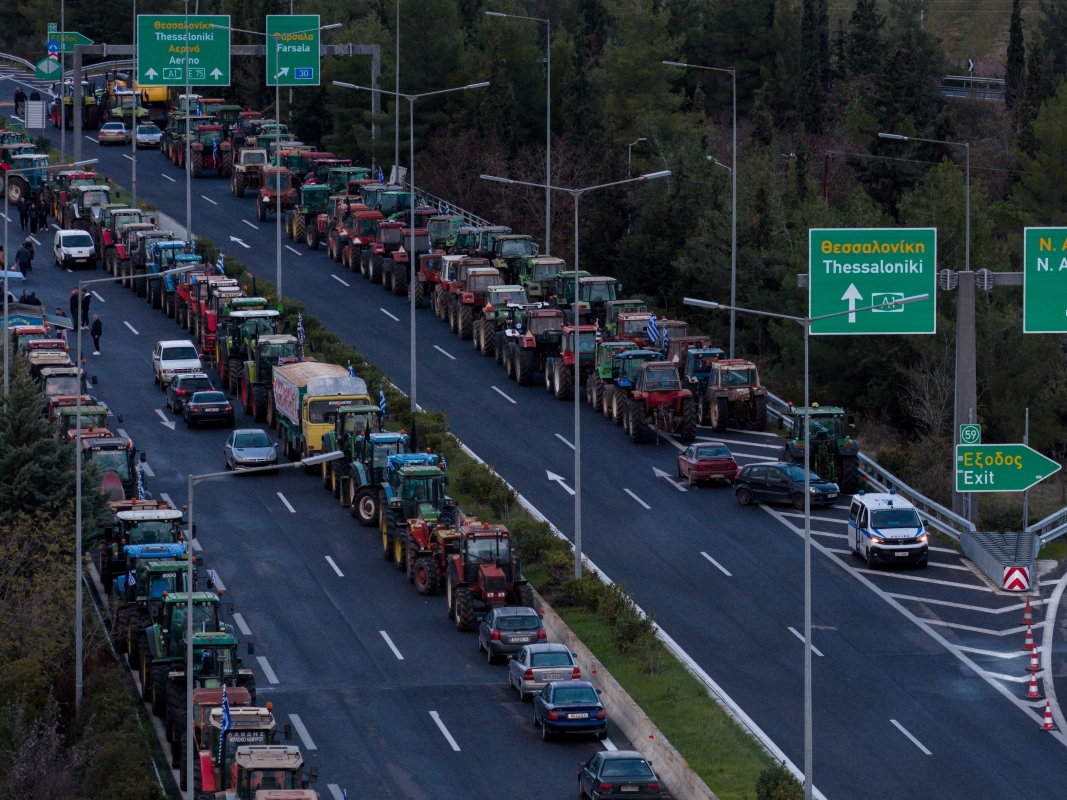
At the same time, they are examining road and highway blockades as part of an intensified pressure campaign on the government.
The coming weeks are expected to be decisive: either the government responds publicly and substantively, or the farmers’ issue risks evolving into a major political and social confrontation, with far-reaching consequences for rural Greece and the broader economy.
Source: pagenews.gr