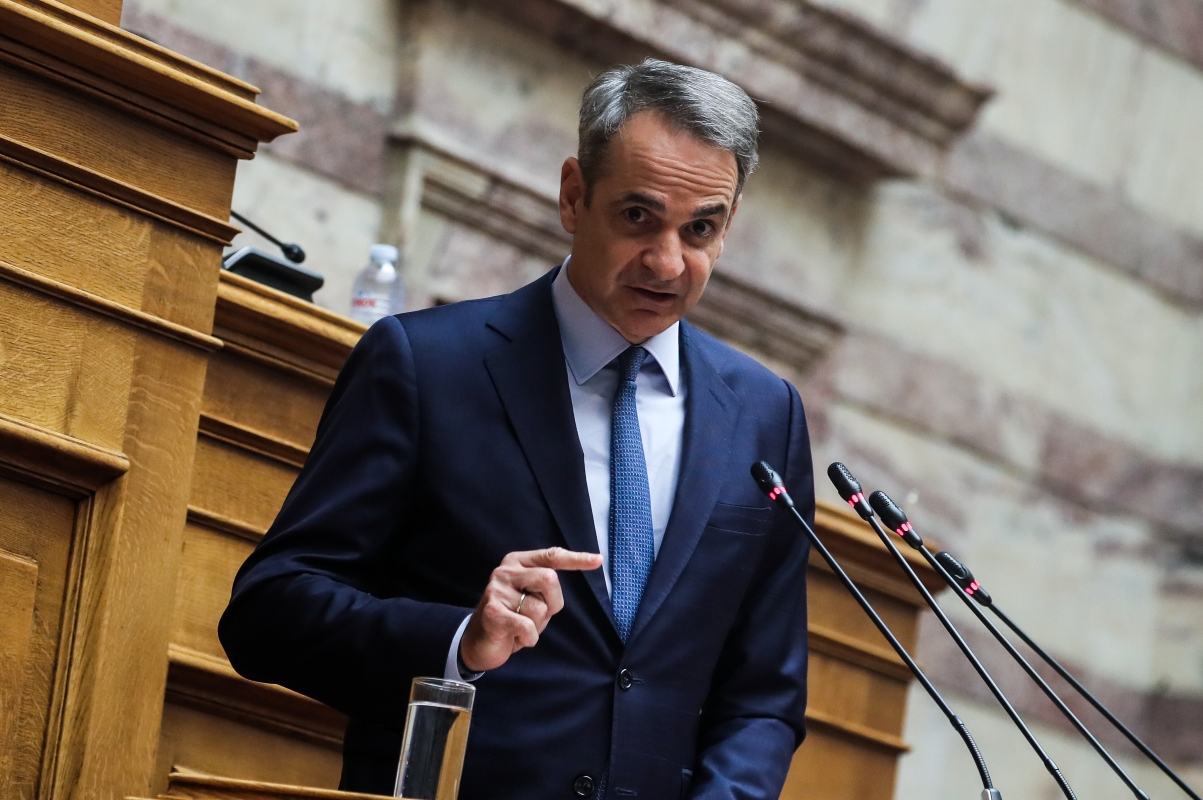
With tractors blocking highways, opinion polls showing erosion beneath the surface, and housing costs weighing heavily on households, Prime Minister Kyriakos Mitsotakis takes the floor of Parliament to close the debate on the 2026 State Budget. His aim is clear: to frame the budget not as a technical document, but as a political instrument of stabilitystretching toward 2030.
The Budget as a narrative of endurance
According to senior government sources, tonight’s speech will go well beyond fiscal figures. Mitsotakis is expected to present a coherent “roadmap” linking 2025 to 2027, with a longer horizon extending to 2030, at a time of international uncertainty.
The message will be one of continuity, momentum and predictability, even outlining measures for 2026 on a month-by-month basis, targeting the middle class, young people and families.
The heavy artillery: Housing – no longer a youth issue, but a household crisis
This is the most politically sensitive part of the speech. Housing has shifted from a generational problem to a core household expense. Rents, mortgage payments and energy costs converge into a monthly burden that leaves little room for patience.
That is why the Prime Minister is expected to place housing at the center of his address. Alongside existing tools (“My Home” schemes, rent subsidies and support measures), new initiatives are expected to be announced. According to circulating information, these include a large-scale renovation program for older homes with subsidies of up to 90%, as well as incentives aimed at unlocking closed or inactive properties and bringing them back onto the market.
If the government convinces voters it can reduce the real cost of housing, it buys time. If it fails, it loses tolerance.
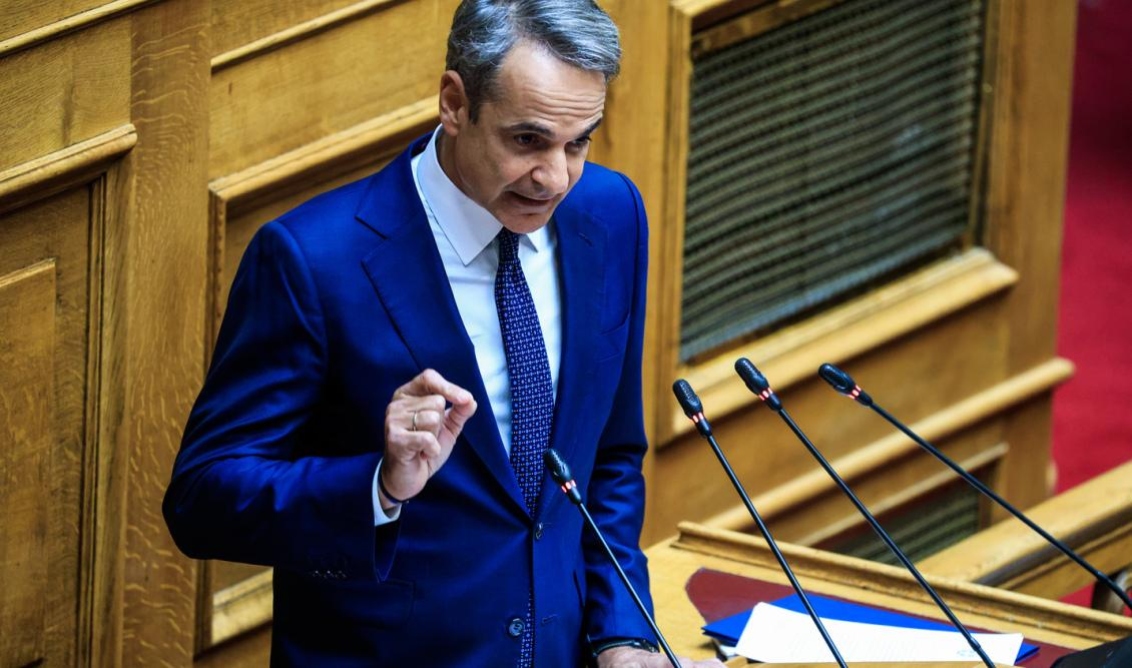

Farming protests: calm words inside Parliament, pressure on the streets
On agriculture, Mitsotakis is expected to operate on two levels. First, he will avoid turning the budget speech into a negotiation forum, leaving bargaining to the relevant ministry. Second, he will emphasize structural reform, focusing on the overhaul of agricultural subsidies and the planned transfer of OPEKEPE to the Independent Authority for Public Revenue (AADE).
The problem is that roadblocks are not policy seminars. Protests are intensifying, and public sympathy clearly lies with the farmers. The tougher the government’s rhetoric becomes—aimed at avoiding the image of capitulation—the greater the risk of clashing with a society that, poll after poll, sides with the protesters.
Polling warning lights and fragile legitimacy
Recent surveys still place New Democracy in first position, but at levels that allow no complacency. What truly alarms the government is not just party percentages, but the overwhelming public support for the farmers’ demands.
When a large majority considers protests justified—and even accepts road closures as a pressure tactic—political toughness comes at a price.
The “unknown X” and a pivotal year
Adding to the volatility is the emergence of new political actors. Maria Karystianou’s declaration that she is at the forefront of a citizens’ movement—potentially evolving into a political party—introduces another variable, especially in a climate of high indecision and systemic distrust.
The real test of tonight’s speech
Tonight is not merely the end of a parliamentary debate. It is an attempt at agenda reset. If housing is addressed with credible tools, clear funding and a concrete timetable, the narrative may shift from “we are under pressure” to “we deliver solutions.”
If not, talk of roadmaps will ring hollow while households count tolls, rents and utility bills. And then, political wear and tear will no longer be theoretical—it will be lived reality.
Source: pagenews.gr