


Greece fast-tracks debt reduction with early repayments, targeting zero bilateral loans by 2031
 ΧΡΟΝΟΣ ΑΝΑΓΝΩΣΗΣ 3 '

Πηγή Φωτογραφίας: pixabay//Greece fast-tracks debt reduction with early repayments, targeting zero bilateral loans by 2031



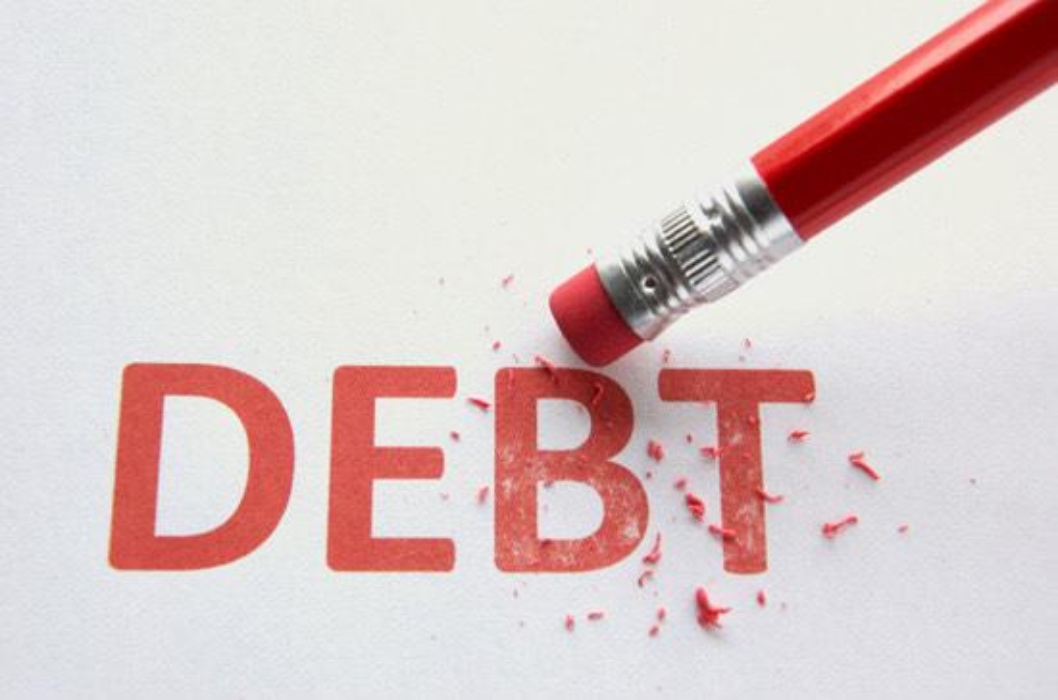
Greece is entering a new phase of assertive public debt management, aiming to further reduce its debt-to-GDP ratio as early as 2026. According to the plan of the Public Debt Management Agency (PDMA), the strategy rests on a dual approach: large-scale early repayments and moderate bond issuance, reinforcing the country’s improving credit profile.
The 2026 financing programme, expected to be unveiled shortly before Christmas, provides for a fresh early repayment of at least €5.3bn, a move that will fully exhaust the remaining liquidity buffer held at the European Stability Mechanism (ESM). At the same time, Greece plans to keep market issuance limited, while cash reserves are projected to decline to €28–30bn by year-end—levels still viewed as comfortably safe by investors.
Accelerating the repayment of first bailout loans
The year 2026 will mark the effective launch of a five-year plan to fully repay the loans of Greece’s first bailout programme. Following the latest early repayment of €5.3bn, the outstanding stock of bilateral loans will fall to €26.1bnat the start of 2026. The government’s objective is to reduce this amount to zero by 2031, at least ten years ahead of the original schedule.
The most recent transaction covered:
- €571m from the 2041 instalment,
- approximately €1.94bn from the 2040 maturity,
- and 15% of each annual instalment from 2033 to 2039, lowering future repayments by around €400m per year.
Five-year roadmap to zero
To meet the 2031 target, the PDMA plans to execute annual early repayments of €5–5.5bn over the next five years. The 2026 operation will be financed through the final tranche of the liquidity buffer built after the end of the third bailout programme, with the explicit approval of the ESM. By December 2026, the last funds from the roughly €16bn reserveare expected to be deployed.
The strategy strengthens Greece’s standing with investors, reduces debt servicing costs and supports the narrative of long-term debt sustainability. If projections are met, by 2031 Greece’s public debt ratio is expected to fall well below the 120% of GDP threshold, marking a decisive shift to a more resilient fiscal footing and a post-crisis debt structure closer to euro-area norms.
Source: pagenews.gr
Διαβάστε όλες τις τελευταίες Ειδήσεις από την Ελλάδα και τον Κόσμο








Το σχόλιο σας