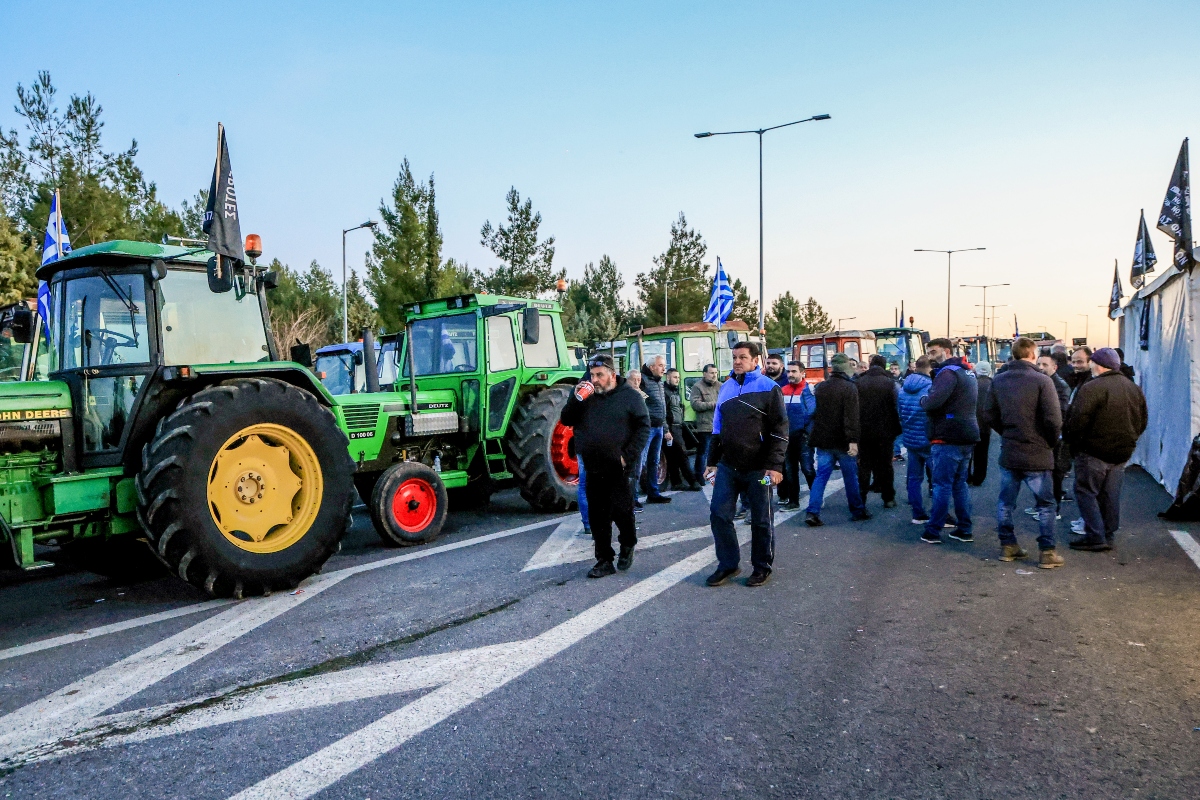
The confrontation between the government and farmers is entering a new and tougher phase. After 20 consecutive days of mobilisations, the Maximos Mansion insists on dialogue strictly within its own framework, while farmers make it clear that there will be no retreat unless all demands are met. Behind the scenes, government officials are once again deploying the rhetoric of “social fatigue”, attempting to shift pressure from the blockades onto society at large.
Farmers, however, are hardening their stance while carefully protecting their social legitimacy. They are closing side roads and border crossings, yet simultaneously stressing that Christmas travellers will not be inconvenienced, aiming to isolate the government politically rather than alienate the public.
The government’s seven “red lines”
According to official briefings, there are seven demands the government considers non-negotiable:
- Transfer of OPEKEPE to the Independent Authority for Public Revenue (AADE)
- Guaranteed minimum prices (“do not exist in a free market”)
- Abolition of the Energy Exchange
- Compensation for lost income
- Halt to imports
- Immediate doubling of farmers’ pensions (cost estimated at €3.6bn)
- Vaccination against sheep pox (no EU-approved vaccine available)
Government sources privately admit that any concession on these fronts would open dangerous fiscal and EU-level fronts, particularly ahead of negotiations on the new Common Agricultural Policy (CAP).
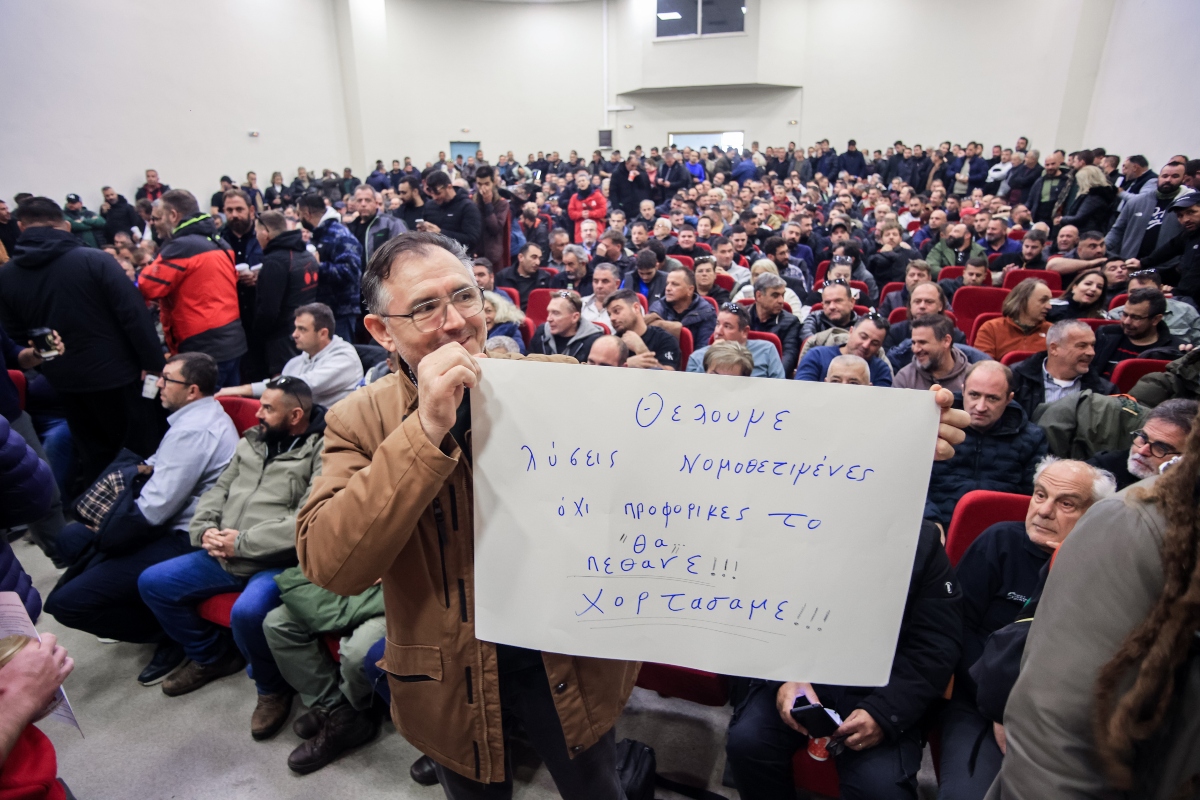

The “yes, but” agenda of the Maximos Mansion
At the same time, the government is highlighting a package of measures it presents as proof of goodwill:
- Refund of excise duty on diesel at the pump
- Discussion on targeted tax relief
- ELGA regulation reform to allow up to 100% compensation
- Cheaper agricultural electricity (around 8–8.2 cents/kWh)
- €600 million in payments by the end of December
- Resolution of ATAK–KAEK issues for plots under 20 acres
- Simplification of the electronic delivery note
- Support measures for herd reconstruction once sheep pox is eradicated
Farmers counter that these measures amount to repackaged announcements, not structural solutions.
Political backroom pressure: fear of electoral cost
Within the ruling camp, concern is growing over the political fallout, especially in Northern Greece and Thessaly. MPs from rural constituencies are conveying strong voter dissatisfaction, while it has not gone unnoticed that farmers are carefully avoiding a direct clash with society, focusing their pressure squarely on the government.
Agriculture Minister Makis Voridis’ remark that “with ‘I don’t talk’ nobody will get anything” was widely read as both a warning and an admission of political deadlock.

default
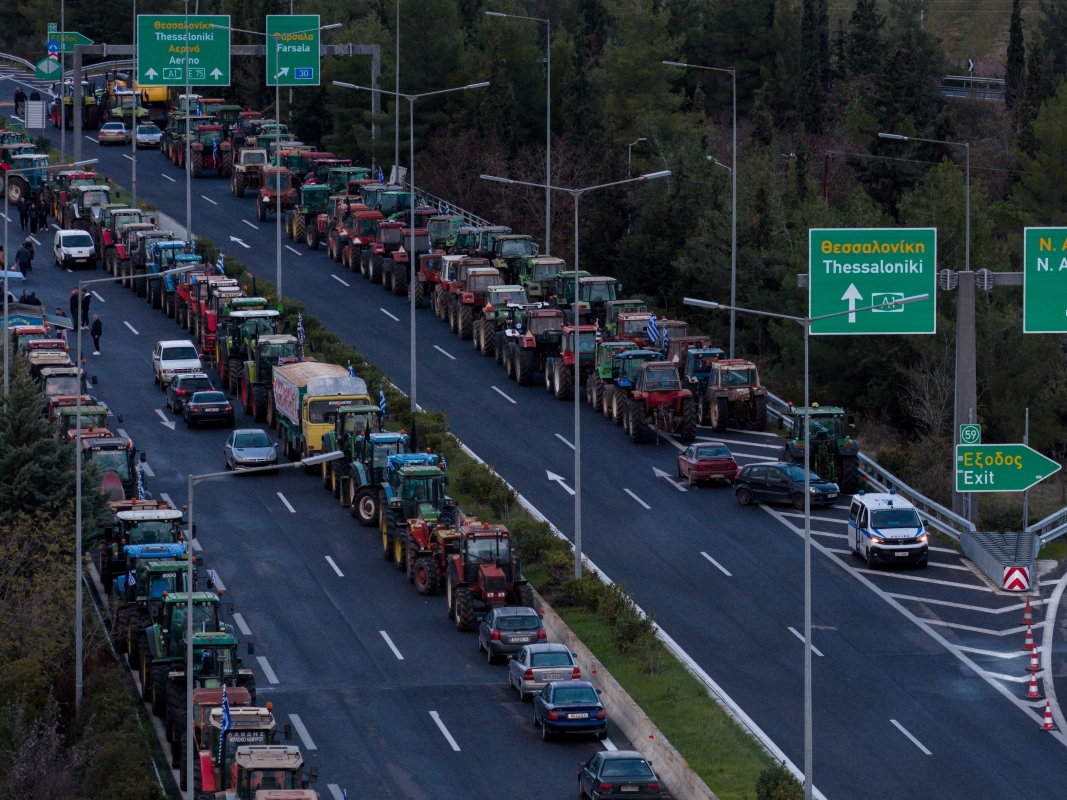
Roadblocks nationwide – but with rules
Farmers maintain strong blockades across the country:
- Nikaia, Malgara, Chalkidona, Derveni, Siatista
- Border points at Evzones, Ormenio, Kipoi
- Toll booths opened and free distribution of farm products as a gesture of social solidarity
“We are not closing the roads – the government is,” farmers insist.
The next 48 hours are critical
Farmers are meeting again to decide on further escalation, while anxiety is palpable at the Maximos Mansion. Backing down risks setting a political precedent; confrontation risks a broader social rupture.
The agricultural front has evolved into a central stress test for government strategy, with the clock ticking inexorably toward the Christmas period.
Source: pagenews.gr