


Europe’s Quiet Panic: Why Brussels Is Nervous About Cyprus, Turkey and the EU’s Strategic Fault Lines
 ΧΡΟΝΟΣ ΑΝΑΓΝΩΣΗΣ 5 '
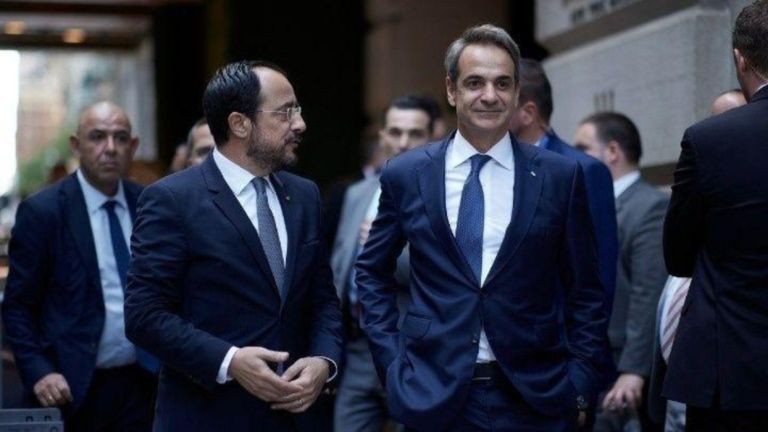
Πηγή Φωτογραφίας: eurokinissi//Europe’s Quiet Panic: Why Brussels Is Nervous About Cyprus, Turkey and the EU’s Strategic Fault Lines


This is not about Cyprus alone. It is about an EU struggling to reconcile strategy, alliances and credibility in an increasingly hostile world.
A Nervous Europe Behind Closed Doors
What Politico reveals is not just concern — it is unease bordering on institutional anxiety. European officials are quietly acknowledging that the EU’s geopolitical architecture is entering a phase of structural stress, where internal contradictions collide with external threats. The upcoming Cypriot presidency of the EU Council has become a symbolic flashpoint, exposing tensions that have been building for years beneath the surface.
Publicly, Brussels speaks the language of unity. Privately, diplomats admit that Europe is operating without a clear strategic center of gravity — especially on defense, NATO coordination and relations with Turkey.
This is not a communications issue. It is a power issue.
Cyprus as Catalyst, Not Cause
Cyprus did not create the problem. It revealed it.
European officials fear that longstanding disputes between Cyprus and Turkey could spill over into critical areas such as EU–NATO cooperation, intelligence sharing and defense procurement. These fears are not theoretical. Turkey remains a NATO heavyweight, while Cyprus is an EU member excluded from NATO structures — a contradiction the Union has never resolved.
As one European diplomat bluntly put it off record: “You cannot build a common defense policy while ignoring the Turkey problem.”
The Cypriot presidency merely brings this unresolved tension to the forefront — at a time when Europe can least afford paralysis.
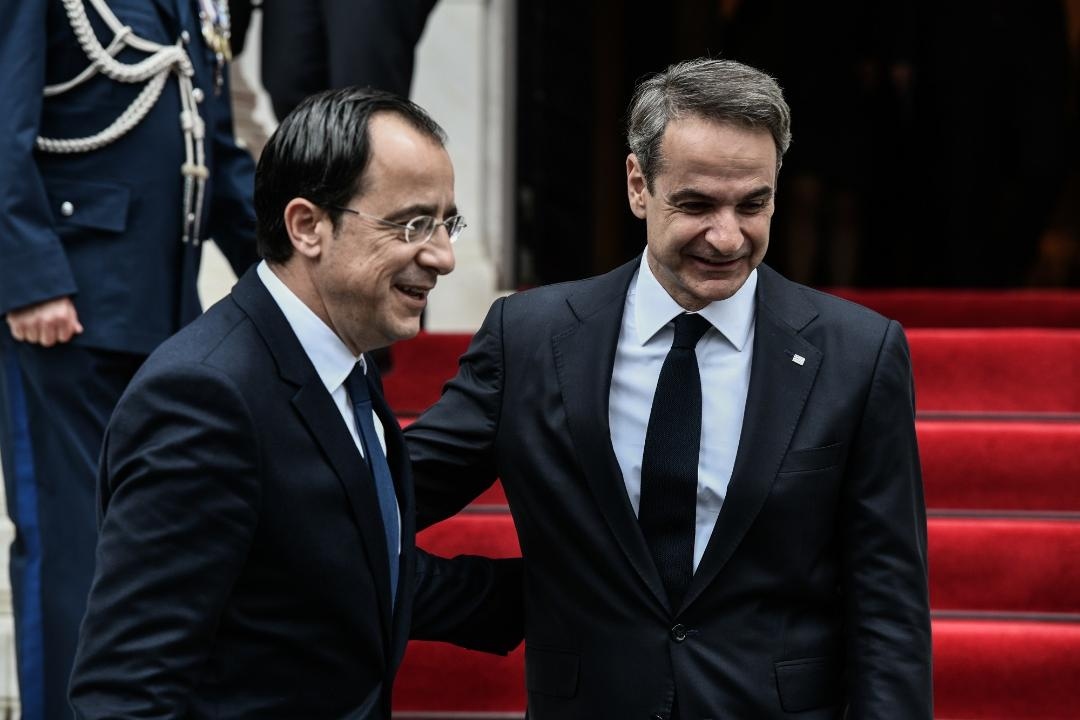
The Defense Awakening — Too Late, Too Fragmented
The EU is attempting a historic shift: from a normative power to a geopolitical actor. Defense initiatives, joint procurement schemes and strategic autonomy are no longer taboo. They are official policy.
But here lies the paradox: Europe wants strategic autonomy without strategic consensus.
Programs worth hundreds of billions of euros are being discussed, yet political trust between member states remains fragile. Northern states worry about credibility. Southern states worry about sovereignty. Eastern states worry about Russia. Everyone worries about Washington’s long-term commitment.
And hovering over all of this is Turkey — indispensable militarily, problematic politically.
Russia, Ukraine and the Vanishing Comfort Zone
The war in Ukraine shattered Europe’s illusion of permanent security. Sanctions against Russia have been extended, military spending has surged, and rhetoric has hardened. Yet Europe remains strategically reactive, not proactive.
Behind closed doors, officials admit that the EU is still relying on the US security umbrella while trying to pretend it no longer needs it. This contradiction weakens Brussels’ leverage — not only toward Moscow, but also toward Ankara, Beijing and even Washington itself.
The Cyprus–Turkey issue thus becomes a stress test: can Europe manage internal disputes without undermining its external posture?
So far, the answer is unclear.
The Parapolitical Reality: What Brussels Won’t Say Publicly
In Brussels corridors, the real concern is not Cyprus’ stance. It is precedent.
If internal disputes begin to block defense coordination, delay strategic programs, or paralyze EU–NATO interfaces, the Union risks proving that it is not yet a geopolitical power — but a geopolitical project still under construction.
This is why anxiety is growing. Not because of one presidency, but because Europe is approaching a moment where ambiguity is no longer sustainable.
Europe at a Strategic Crossroads
The EU is no longer just regulating markets and standards. It is being forced to choose sides, set boundaries and project power — all while managing internal fragmentation.
Cyprus, Turkey, NATO, Russia and defense integration are not separate files. They are chapters of the same strategic dilemma.
Europe can either:
- move toward real strategic coherence, or
- remain trapped in procedural unity and geopolitical hesitation.
Final Takeaway
This is not a crisis — yet.But it is a warning signal.
Europe’s nervousness is the clearest sign that the old model has reached its limits. The question is not whether the EU wants to be a geopolitical actor.
The question is whether it is ready to pay the political cost of becoming one.
Source: pagenews.gr
Διαβάστε όλες τις τελευταίες Ειδήσεις από την Ελλάδα και τον Κόσμο






Το σχόλιο σας