


Greece Faces Winter Virus Surge and Emerging Epidemiological Threats in 2025
 ΧΡΟΝΟΣ ΑΝΑΓΝΩΣΗΣ 3 '

Πηγή Φωτογραφίας: eurokinissi//freepik//Greece Faces Winter Virus Surge and Emerging Epidemiological Threats in 2025



2025 highlighted the need for strengthened surveillance, rapid response, and resilient healthcare infrastructure as Greece confronts both seasonal viruses and emerging public health threats.
The Greek public health landscape in 2025 was marked by a series of significant epidemiological challenges, ranging from seasonal respiratory viruses to the emergence of less common pathogens, underscoring the critical importance of continuous monitoring and preparedness.
Winter Respiratory Virus Surge
One of the defining public health features of 2025 was the heightened circulation of influenza and other respiratory viruses. According to surveillance data from the WHO and ECDC, seasonal influenza remained active throughout the winter months, with RSV and other respiratory pathogens circulating concurrently, placing increased strain on primary care and hospital emergency services.
While the overall viral activity was not unprecedented, the simultaneous circulation of multiple viruses challenged Greece’s healthcare system, particularly during peak months, highlighting vulnerabilities in hospital capacity and response coordination.
Additional Infections and Surveillance
In addition to influenza and RSV, Greece observed localized cases of West Nile virus, reflecting the interplay of vector ecology, climate variability, and public health monitoring. This emphasizes the need for continuous epidemiological vigilance, as vector-borne diseases can emerge or re-emerge rapidly in Europe.
Emerging threats, including MERS-CoV and other novel pathogens, remained under close observation. While community transmission risk was considered low, the presence of these viruses illustrates the ongoing requirement for robust early-warning systems.
Health System Resilience and Future Challenges
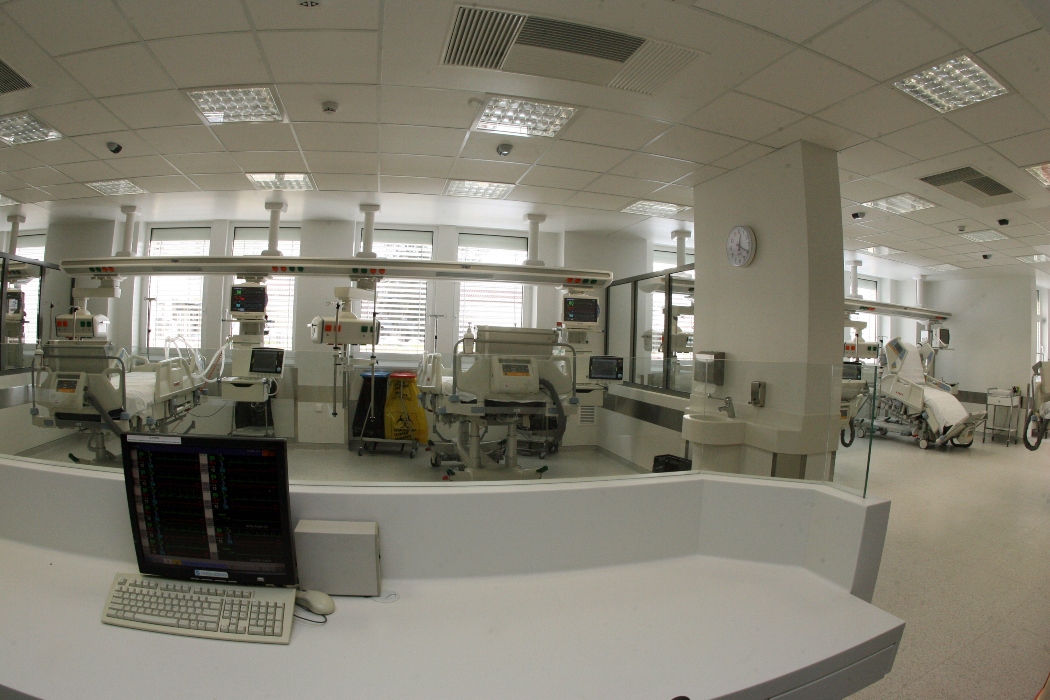
2025 demonstrated that Greek healthcare infrastructure, while generally resilient, faces ongoing capacity and flexibility challenges. Increased emergency department visits, demands for rapid diagnostic testing, and hospital bed occupancy during peak infection periods highlighted the need for investment in infrastructure and workforce preparedness.
Additionally, environmental and climate factors continue to influence epidemiological patterns, affecting virus seasonality, vector dynamics, and healthcare demand.
Key Takeaways for Public Health
The epidemiological trends in Greece during 2025 highlighted:
- Intensified circulation of seasonal viruses, including influenza and RSV, straining healthcare services.
- Emerging infectious threats, including West Nile virus and MERS-CoV, reinforcing the need for robust surveillance systems.
- Healthcare system challenges, with an emphasis on resilience, capacity building, and preparedness to respond effectively to simultaneous public health threats.
2025 was not merely a year of routine seasonal cycles; it underscored the critical importance of continuous surveillance, early-warning preparedness, and health system resilience in Greece. Public health authorities are called to adapt dynamically to evolving threats, ensuring both timely response and protection of population health.
Source: pagenews.gr
Διαβάστε όλες τις τελευταίες Ειδήσεις από την Ελλάδα και τον Κόσμο







Το σχόλιο σας