


Agricultural Policy Put to the Test: €3.8bn in Aid and a Growing Rift in Dialogue
 ΧΡΟΝΟΣ ΑΝΑΓΝΩΣΗΣ 3 '
Πηγή Φωτογραφίας: eurokinissi//Agricultural Policy Put to the Test: €3.8bn in Aid and a Growing Rift in Dialogue



Greece’s agricultural policy is entering a decisive phase, as the €3.8 billion allocated to farmers and livestock producers in 2025 has failed to bridge the deepening trust gap between the state and the agricultural world. Despite repeated calls for dialogue from the government, the standoff remains unresolved, gradually shifting from the fields to the political backrooms.
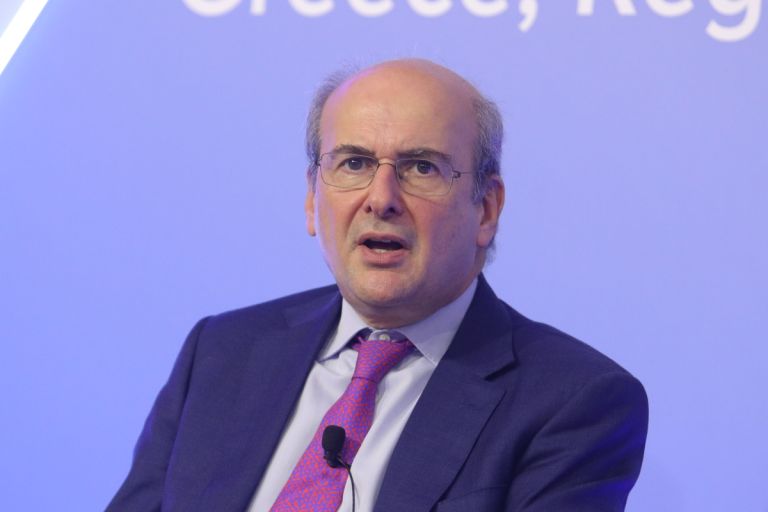
The government, represented by Vice President Kostis Hatzidakis, insists that farmers have no justification for staying away from talks, arguing that the level of financial support provided ranks among the highest in recent years. The message from Athens is clear: the state has delivered, and it is now time for agricultural representatives to engage constructively.
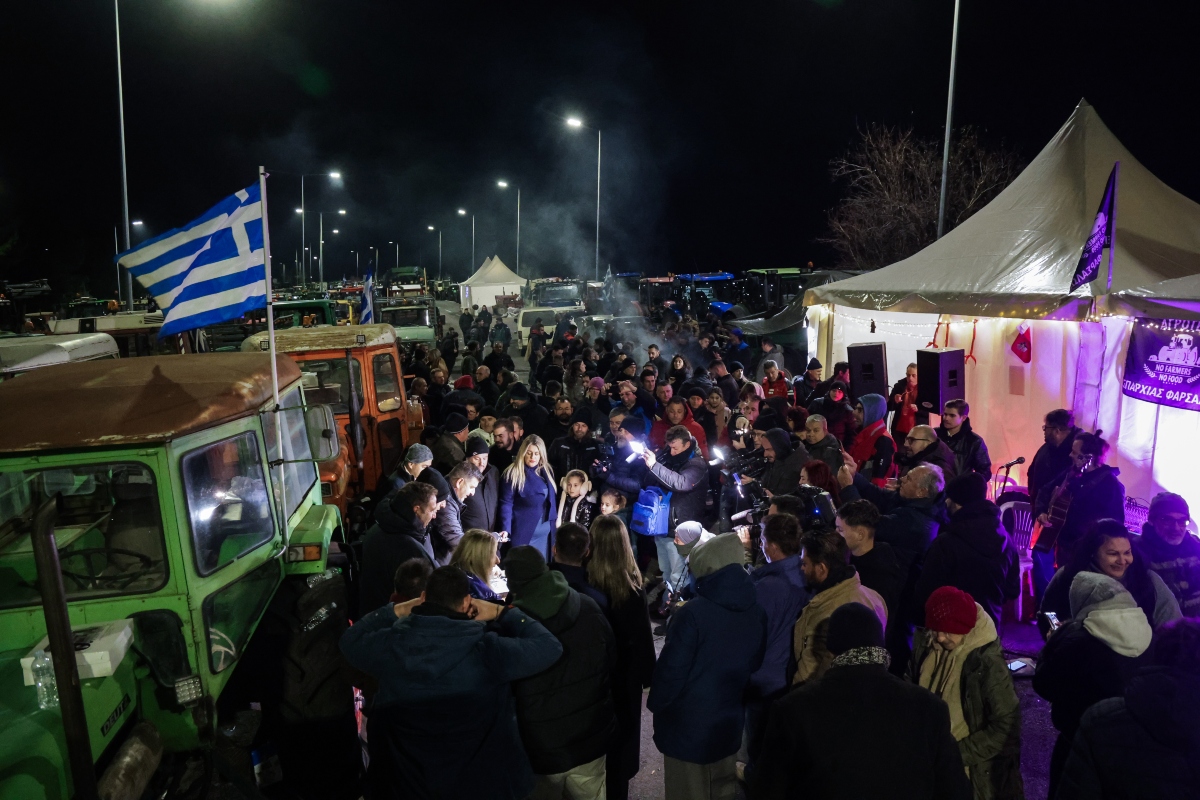
On the ground, however, a very different narrative is taking shape. Farmers argue that while the headline figures appear impressive, rising production costs—from energy and fuel to fertilisers and labour—are eroding the real value of subsidies. For many, the aid does not translate into sustainable income, reinforcing a sense that policy is driven more by numbers than by everyday reality.
Behind the Numbers: The Political Subtext
Within government circles, there is growing recognition that the agricultural issue has moved beyond pure economics and into the realm of political symbolism. The repeated reference to the €3.8bn figure serves not only as a response to farmers, but also as a defensive line against opposition criticism, which accuses the government of lacking a coherent long-term strategy for primary production.
At the same time, cracks are appearing within the farmers’ movement itself. While some factions advocate for continued mobilisation and pressure tactics, others acknowledge that dialogue is inevitable—but only if accompanied by concrete commitments and clear timelines. This internal divide complicates efforts to de-escalate the situation.
The European Angle and Quiet Concerns
Adding another layer of complexity is the European dimension. Discussions surrounding the future of the Common Agricultural Policy after 2027 are already causing unease in Athens. Officials are aware that EU funding will become increasingly conditional, pushing for structural reforms and a reorientation of production models—changes that carry significant political costs.
Agricultural stakeholders fear that these reforms will once again disproportionately burden small and medium-scale farmers, widening existing inequalities within the sector and accelerating rural decline.
Rift or Reset?
The central question now is whether the current impasse represents a prelude to escalation or an opportunity for a strategic reset. The government signals a preference for de-escalation, but farmers are asking for more than financial injections: they want predictability, lower input costs and institutional credibility.
What is clear is that agriculture has become a political stress test. And as long as the dialogue gap remains open, even billions in support may prove insufficient to calm a sector that increasingly feels it is operating in survival mode.
Source: pagenews.gr
Διαβάστε όλες τις τελευταίες Ειδήσεις από την Ελλάδα και τον Κόσμο





Το σχόλιο σας