


Greek Tourism 2026: From Record Arrivals to a Stress Test for Strategy, Infrastructure and Politics
 ΧΡΟΝΟΣ ΑΝΑΓΝΩΣΗΣ 3 '
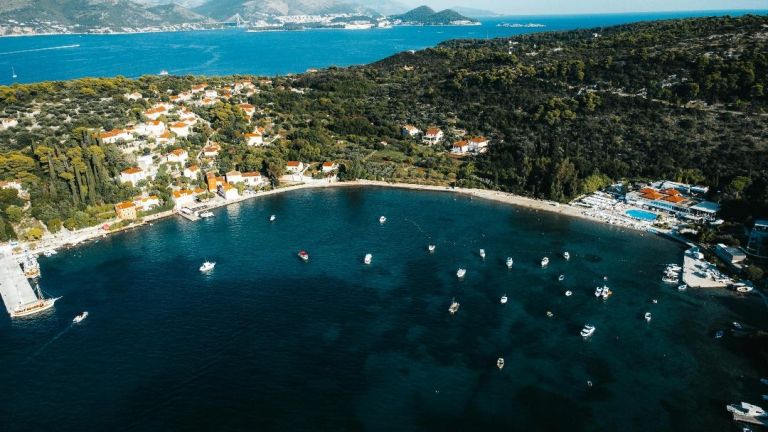
Πηγή Φωτογραφίας: AP Photo/Greek Tourism 2026: From Record Arrivals to a Stress Test for Strategy, Infrastructure and Politics



After closing 2025 with record-breaking arrivals and revenues, Greek tourism is entering 2026 as a decisive turning point. The question is no longer whether Greece can attract visitors — it clearly can — but whether the country can manage success without undermining itself. The next season will test not numbers, but governance.
Behind the record numbers
On paper, the picture is impressive: tens of millions of international visitors and tourism revenues approaching historic highs. Yet beneath the surface, pressure is mounting on infrastructure, local communities and the very sustainability of the tourism model.
Airports, ports, water networks, waste management systems and road infrastructure — especially on flagship destinations — are operating at or beyond their limits. Overtourism is no longer a warning; it is a lived reality. And while revenues rise, the quality of the visitor experience and residents’ tolerance is increasingly strained.
The structural challenges
Infrastructure gaps remain the biggest vulnerability. Water scarcity, energy sufficiency and waste management are becoming strategic issues rather than local inconveniences. Without rapid upgrades, success risks turning into systemic failure.
Equally critical is the absence of a coherent spatial and tourism master plan. Growth has been uneven, concentrating pressure on a few iconic destinations while leaving others underdeveloped. This imbalance fuels social friction and limits long-term potential.
At the same time, international competition is intensifying. Other Mediterranean destinations are adjusting prices, investing in quality and targeting new markets more aggressively. Greece cannot rely indefinitely on brand power alone.
The political subtext
Tourism in Greece is no longer just an economic sector — it is a political issue. Decisions about zoning, capacity limits, infrastructure funding and sustainability policies will inevitably produce winners and losers.
Behind the scenes, local authorities demand resources, businesses push for fewer restrictions, and communities voice growing fatigue. The government is caught between growth narratives and social tolerance, with 2026 shaping up as a year when postponing hard decisions will no longer be an option.
From volume to value
Analysts increasingly warn that Greece may be approaching a ceiling in volume-based growth. Even if arrivals remain high, spending per visitor may stagnate or decline, eroding the real economic benefit.
The strategic shift is clear: less emphasis on quantity, more on value, season extension and regional dispersion. This requires policy coordination, investment discipline and political courage — qualities often in short supply when short-term gains dominate.
What 2026 will decide
2026 will determine whether Greek tourism evolves into a mature, resilient model — or remains trapped in the logic of annual record-chasing. The choices made now will define not only the sector’s profitability, but also social cohesion, environmental balance and Greece’s international reputation.
The era of effortless growth is over. What comes next depends on whether strategy can finally catch up with success.
Source: pagenews.gr
Διαβάστε όλες τις τελευταίες Ειδήσεις από την Ελλάδα και τον Κόσμο






Το σχόλιο σας