


Cyprus’s EU Presidency: Reunification as Opportunity or Geopolitical Gambit?
 ΧΡΟΝΟΣ ΑΝΑΓΝΩΣΗΣ 5 '
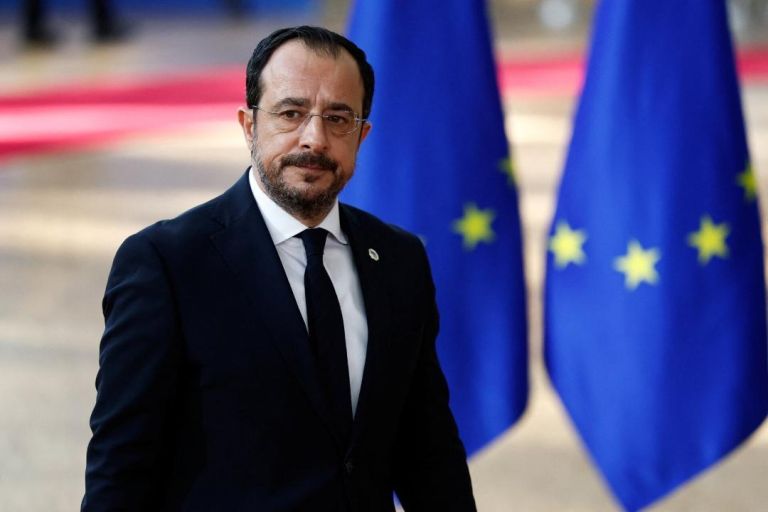
Πηγή Φωτογραφίας: AP Photo//Cyprus’s EU Presidency: Reunification as Opportunity or Geopolitical Gambit?



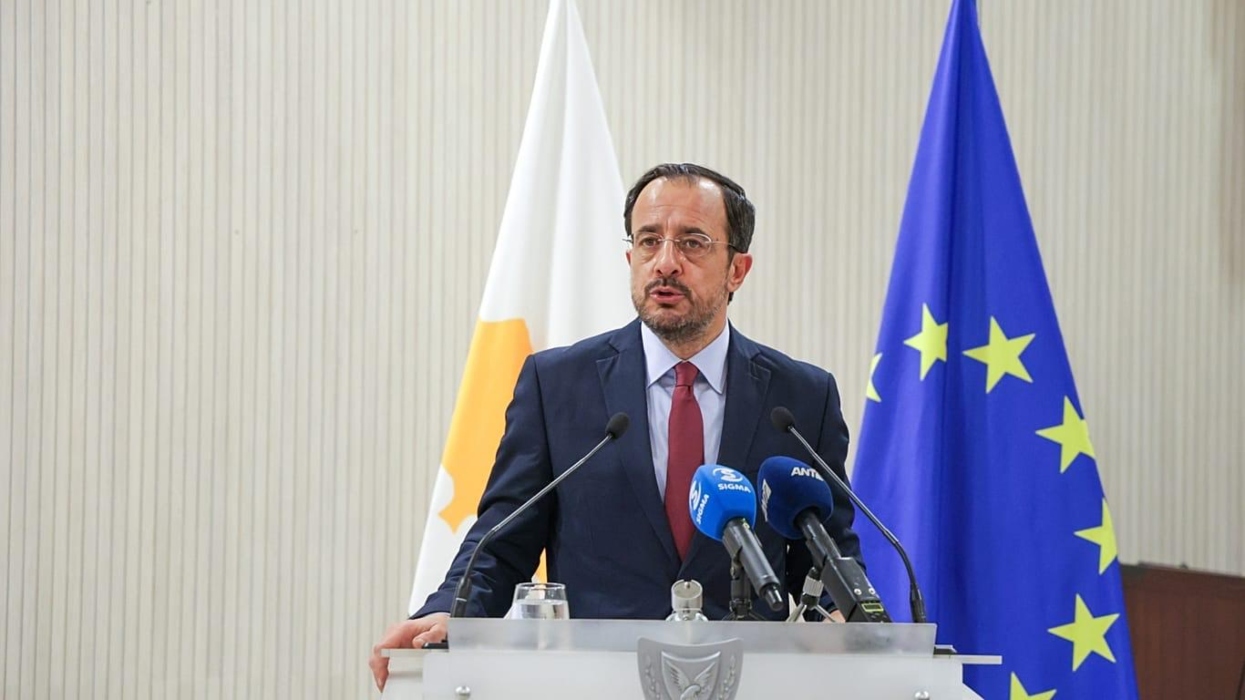
In an interview with Germany’s public broadcaster ZDF, President Nikos Christodoulides made headlines by declaring that the Cyprus problem is not a “frozen conflict” and that a reunified Cyprus could offer “incredible opportunities for all its people.” This remark, delivered on the cusp of Cyprus assuming the rotating Presidency of the Council of the European Union in early January 2026, signals an attempt to shift the narrative from stalemate to strategic optimism.
Rethinking the Cyprus Narrative
Christodoulides explicitly rejected the long-standing framing of the island’s division as a frozen conflict — a label he argued masks both danger and unrealized potential. He pointed to the situation in Gaza as evidence that no conflict truly stays frozen, insisting the current status quo in Cyprus actually poses risks for all communities on the island. Reunification, in his view, should be seen as a political and economic opportunity rather than an endless diplomatic deadlock.
Politically, this represents a calculated rhetorical shift:
- Greek Cypriot leadership is reframing the Cyprus issue not as a perennial problem but as a strategic asset within Europe’s agenda.
- By placing reunification in the context of opportunity rather than crisis, Nicosia seeks to reinvigorate interest among EU partners and the broader international community.
This narrative dovetails with Cyprus’s broader EU priorities: strengthening strategic autonomy, enhancing defense cooperation, boosting competitiveness, and fostering openness to global engagement — themes Christodoulides outlined as pillars of the EU Council Presidency programme.
EU Presidency Amid Strategic Crosswinds
Cyprus formally took over the six-month EU Council Presidency on 1 January 2026, with an agenda that merges internal EU reform with external engagement. Under the banner “An Autonomous Union – Open to the World,” Nicosia’s agenda weaves together:
- Strategic autonomy and defense readiness
- Competitiveness and economic resilience
- Openness to global partnerships and enlargement
- Support for Ukraine and broader European security efforts.
These priorities reflect Cyprus positioning itself as more than a symbolic steward of Europe’s agenda: it aims to be a pragmatic broker of compromise between competing interests — East and West, large and small member states — at a time of intensified geopolitical flux.
In tandem, Cyprus has signaled support for continued backing of Ukraine’s EU membership process, with President Volodymyr Zelensky set to attend the EU Presidency’s official opening in Nicosia.
Parapolitical Undercurrents and Regional Calculus
From a para-political perspective, Christodoulides’s repositioning of the Cyprus issue works on multiple levels:
Domestic Political Signaling
By promoting reunification as “the best opportunity,” the President aligns his leadership with hope over inertia, appealing to domestic constituencies frustrated with decades of stalemate.
EU Agenda Setting
Cyprus’s emphasis on a proactive, opportunity-focused Cyprus narrative signals to Brussels that smaller member states can shape discourse and policy priorities, particularly on issues where historical grievances intersect with contemporary geopolitical strategy.
Regional Diplomacy Tension
While Cyprus seeks to engage with neighbors — even expressing openness to invite Turkish leaders to EU forums — relations with Ankara remain tense, shaped by decades of division and competing interests.
Furthermore, cooperation in areas like defense has strengthened trilateral ties with Greece and Israel in the eastern Mediterranean, even as such moves invite criticism at home about deeper entanglement in regional power plays.
Strategic Implications
The shift from “frozen conflict” to “strategic pivot” has broader repercussions:
- It challenges established diplomatic lexicon and pressures international actors to reassess engagement strategies on Cyprus.
- It casts the Cyprus issue as part of Europe’s larger struggle to assert autonomy amid U.S., Russian, and Chinese influence, an agenda Christodoulides echoed in his ZDF remarks.
- It frames reunification not only as a moral imperative but also as a catalyst for strengthened EU cohesion and resilience in a volatile regional context.
Christodoulides’s ZDF interview is more than political rhetoric. It is a strategic narrative repositioning: leveraging Cyprus’s EU Presidency to recast a deeply entrenched dispute as an active driver of European integration and geopolitical relevance. By aligning the Cyprus question with broader EU ambitions — autonomy, security, competitiveness, and global openness — Nicosia aims to move beyond old paradigms, inviting partners to view reunification through the lens of opportunity rather than stagnation.
Source: pagenews.gr
Διαβάστε όλες τις τελευταίες Ειδήσεις από την Ελλάδα και τον Κόσμο





Το σχόλιο σας