


EU Carbon Border Adjustment Mechanism Enters into Force
 ΧΡΟΝΟΣ ΑΝΑΓΝΩΣΗΣ 4 '

Πηγή Φωτογραφίας: EU//EU Carbon Border Adjustment Mechanism Enters into Force



As of 1 January 2026, the European Union has formally activated the Carbon Border Adjustment Mechanism (CBAM), a landmark policy tool designed to impose a carbon cost on imports of carbon-intensive industrial productsentering the EU market. The move marks a decisive step in Europe’s effort to align climate ambition with industrial competitiveness and to prevent so-called carbon leakage — the relocation of polluting production outside the EU.
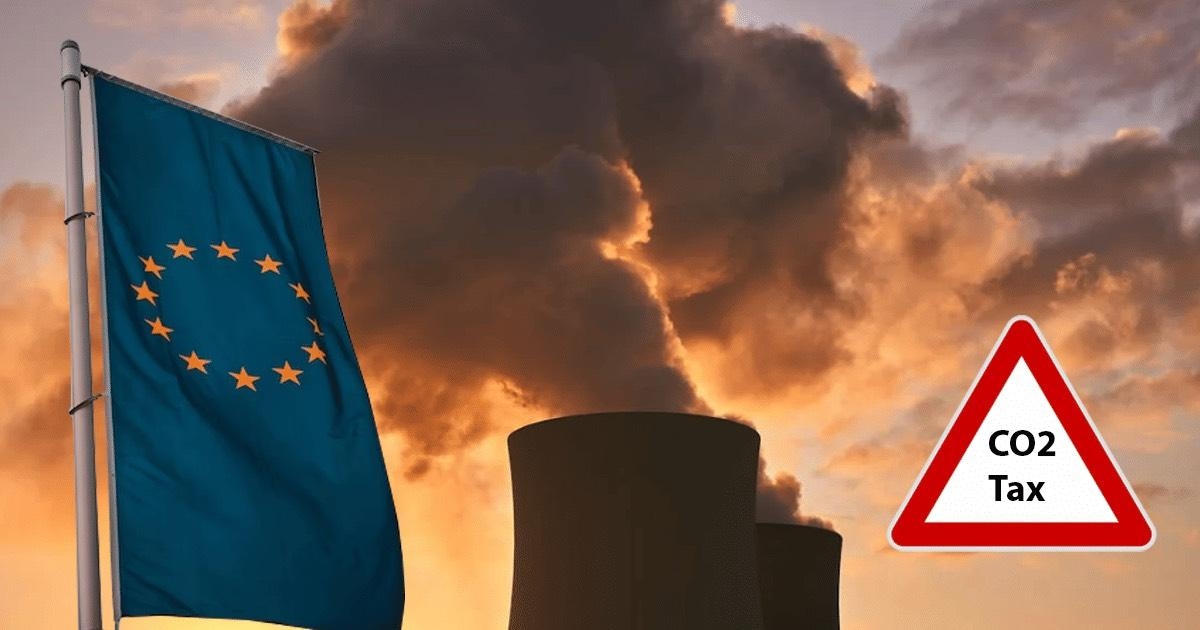
What CBAM does — in practice
CBAM requires EU importers to purchase carbon certificates corresponding to the emissions embedded in certain imported goods, effectively mirroring the price paid by EU producers under the EU Emissions Trading System (ETS).
The first sectors covered include:
- Steel and iron
- Aluminium
- Cement
- Fertilisers
- Electricity and hydrogen
The objective is clear: products consumed in Europe should face a comparable carbon cost, regardless of where they are produced.
Strategic logic behind the move
From Brussels’ perspective, CBAM serves three interconnected goals:
- Protect EU industry from unfair competition by producers operating under looser environmental rules
- Maintain climate credibility, ensuring emissions are reduced globally rather than outsourced
- Encourage third countries to adopt carbon pricing or cleaner production methods
In effect, the EU is exporting its climate standards beyond its borders — using market access as leverage.
Geoeconomic and geopolitical fallout
While the policy has been praised by climate advocates, it has also triggered strong reactions from major trading partners.
Countries such as China, India, Brazil and Turkey have criticised CBAM as a form of green protectionism, warning it could distort trade and disproportionately affect developing economies. Some have hinted at potential challenges within the World Trade Organization (WTO) framework.
At the same time, several advanced economies are closely watching the EU model, with discussions underway about similar mechanisms in other jurisdictions — a sign that CBAM may become a global reference point rather than an EU exception.
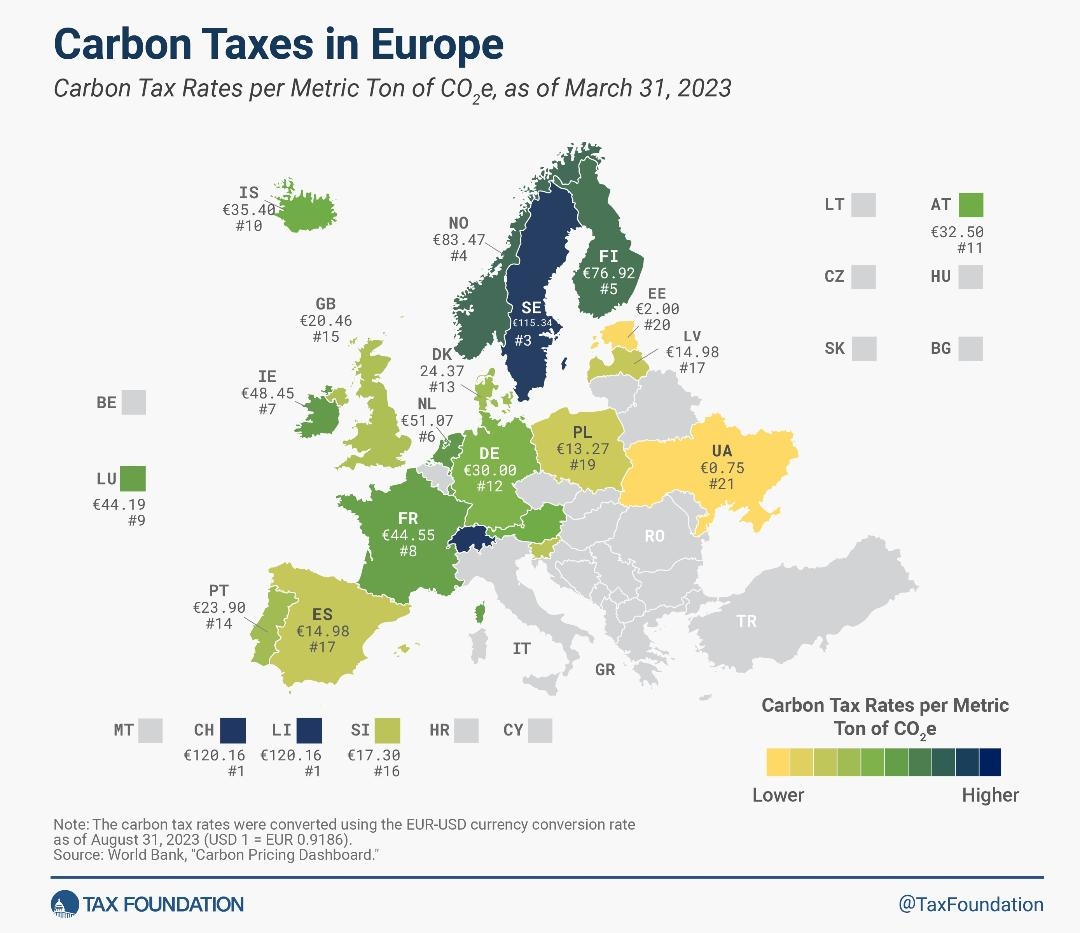
Beyond climate policy
From a broader geopolitical angle, CBAM is more than an environmental instrument:
- It signals the EU’s ambition to act as a norm-setting power, shaping global rules through regulation rather than military or monetary dominance.
- It strengthens the concept of strategic autonomy, linking climate policy directly to industrial and trade security.
- It introduces a new source of friction at a time when global trade is already strained by sanctions, wars, and supply-chain realignments.
In this sense, carbon becomes not only an environmental metric, but a geopolitical currency.
Challenges ahead
Implementation remains complex. Accurate emissions data, verification procedures, and administrative capacity — especially for foreign producers — will be critical. European industries also warn of bureaucratic burdens and transitional risks if global competitors fail to adapt quickly.

Still, Brussels appears determined to press ahead, framing CBAM as a necessary correction in a global economy that has long externalised environmental costs.
The entry into force of the Carbon Border Adjustment Mechanism marks a turning point in the relationship between climate policy and global trade. Whether it becomes a catalyst for worldwide decarbonisation or a trigger for new trade disputes will depend on how partners respond — and whether climate ambition can be reconciled with economic diplomacy in an increasingly fragmented world.
Source: pagenews.gr
Διαβάστε όλες τις τελευταίες Ειδήσεις από την Ελλάδα και τον Κόσμο








Το σχόλιο σας