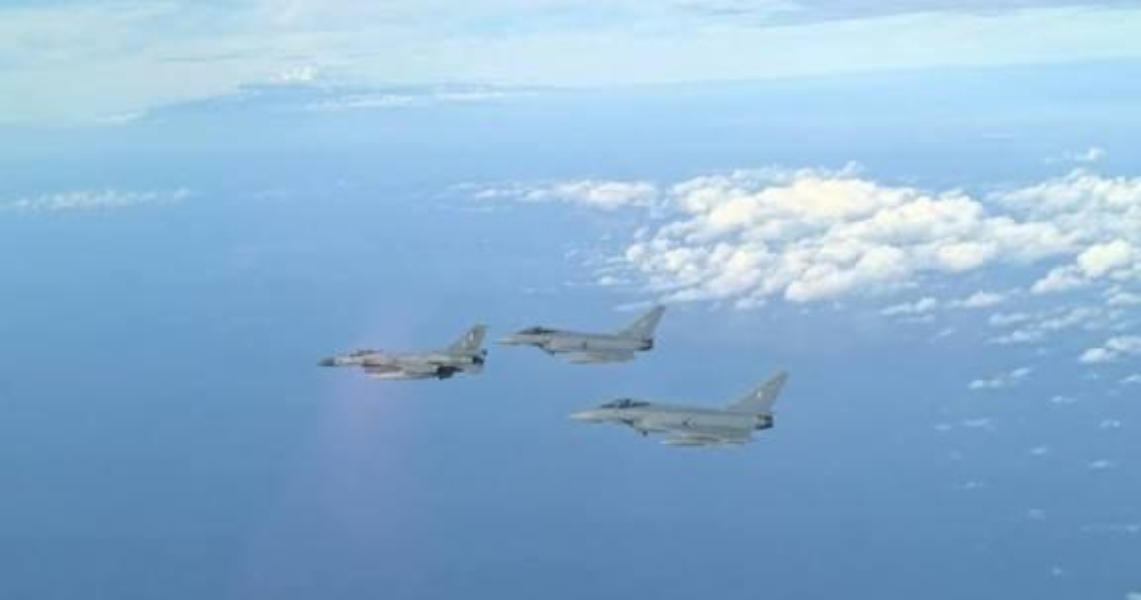
Tensions in the Aegean Sea have flared up once again as Turkey stepped up its aerial activity, with armed F-16 fighter jets, a military UAV, and a naval cooperation aircraft (ATR-72) entering the Athens Flight Information Region (FIR) without submitting flight plans, according to Greek defense sources.
The aircraft were identified and intercepted by the Hellenic Air Force, in line with international rules and NATO procedures. No dogfights or direct engagement were reported, but the incident marks a clear escalation in posture, particularly due to the presence of armed fighter jets and unmanned systems.
Why the FIR matters
The Athens FIR is not merely a technical aviation zone. In the Aegean, it functions as a strategic pressure point, where violations carry both operational and political weight. Entering the FIR without prior coordination forces Greece to scramble aircraft, test response times and demonstrate control over airspace management.
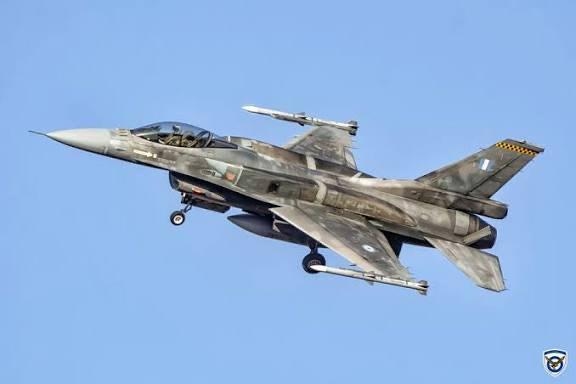

Such actions are not accidental. They are calculated moves designed to send messages — to Athens, to NATO, and to the broader international community.
A deliberate pattern of escalation
Defense analysts point out that the combination of platforms is significant:
- Armed F-16s signal readiness and deterrence projection
- UAVs test surveillance limits and response doctrines
- ATR-72 patrol aircraft indicate intelligence-gathering and maritime monitoring
Together, they form a multi-layered military presence, far beyond symbolic overflights. This pattern suggests Ankara is probing Greek air defenses while reinforcing its narrative of contested airspace in the Aegean.
The broader geopolitical backdrop
The timing of the incident is not coincidental. It comes amid:
- Ongoing Greek defense modernization, including advanced fighter aircraft and air-defense systems
- Turkey’s effort to reassert regional influence despite strained relations with Western partners
- A volatile Eastern Mediterranean environment, where energy routes, migration flows and regional conflicts intersect
Within NATO, such incidents are increasingly uncomfortable, exposing the alliance’s internal fault lines at a time when cohesion is strategically critical.
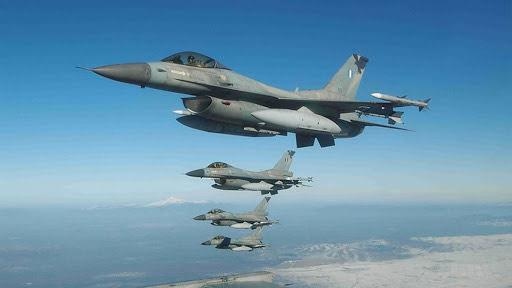

Athens’ response: firmness without escalation
Greece continues to follow a dual-track strategy:
- Operational vigilance, with immediate interception and documentation of all violations
- Diplomatic signaling, raising the issue in international forums while avoiding rhetoric that could spiral into crisis
Greek officials stress that while the country seeks dialogue, airspace sovereignty and aviation safety are non-negotiable.
What this episode signals
The renewed violations underscore a broader reality: the Aegean remains a theater of controlled confrontation, where military movements are used as tools of diplomacy and pressure.
This is not an isolated incident — it is part of a wider strategic contest over influence, deterrence and narrative control in the Eastern Mediterranean.
In an airspace where every mile carries political meaning, even a single flight can reshape the balance.
Source: pagenews.gr