


Theophany in Greece: Epiphany January 6 — Water Blessings, Cross Diving & Ancient Traditions
 ΧΡΟΝΟΣ ΑΝΑΓΝΩΣΗΣ 4 '
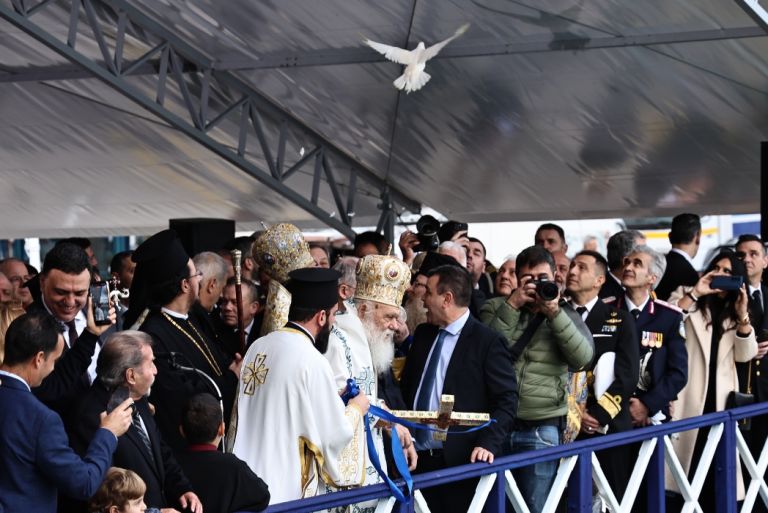
Πηγή Φωτογραφίας: eurokinissi//Theophany in Greece: Epiphany January 6 — Water Blessings, Cross Diving & Ancient Traditions



Theophany (also called Epiphany, Fota or “Festival of Lights”) is one of the most important and oldest feast days in the Greek Orthodox calendar, celebrated annually on January 6. It commemorates the baptism of Jesus Christ by John the Baptist in the River Jordan, and the revelation of the Holy Trinity—an event deeply rooted in biblical tradition and Orthodox theology.
What Does Theophany Mean?
The Greek term Theophania literally means “manifestation of God”, referring to the moment when the Father, Son, and Holy Spirit were revealed in a divine encounter at Christ’s baptism—described in Scripture as the voice from heaven, the descent of the Spirit like a dove, and Jesus’ immersion in the waters.
Preparations and Traditions
Caroling and Holy Water Blessings
In the days leading up to Epiphany, children go from house to house singing special carols on Epiphany Eve, bringing joy and tradition into neighborhoods. Meanwhile, priests in cathedrals and chapels conduct the first “Great Blessing of the Waters”, blessing homes, fields, and people with holy water.
Blessing of the Waters & Cross Diving
The most iconic and widely practiced ritual takes place on the morning of January 6:
- Faithful gather near water—the sea, rivers, lakes, fountains, and even reservoirs—dressed warmly for winter weather.
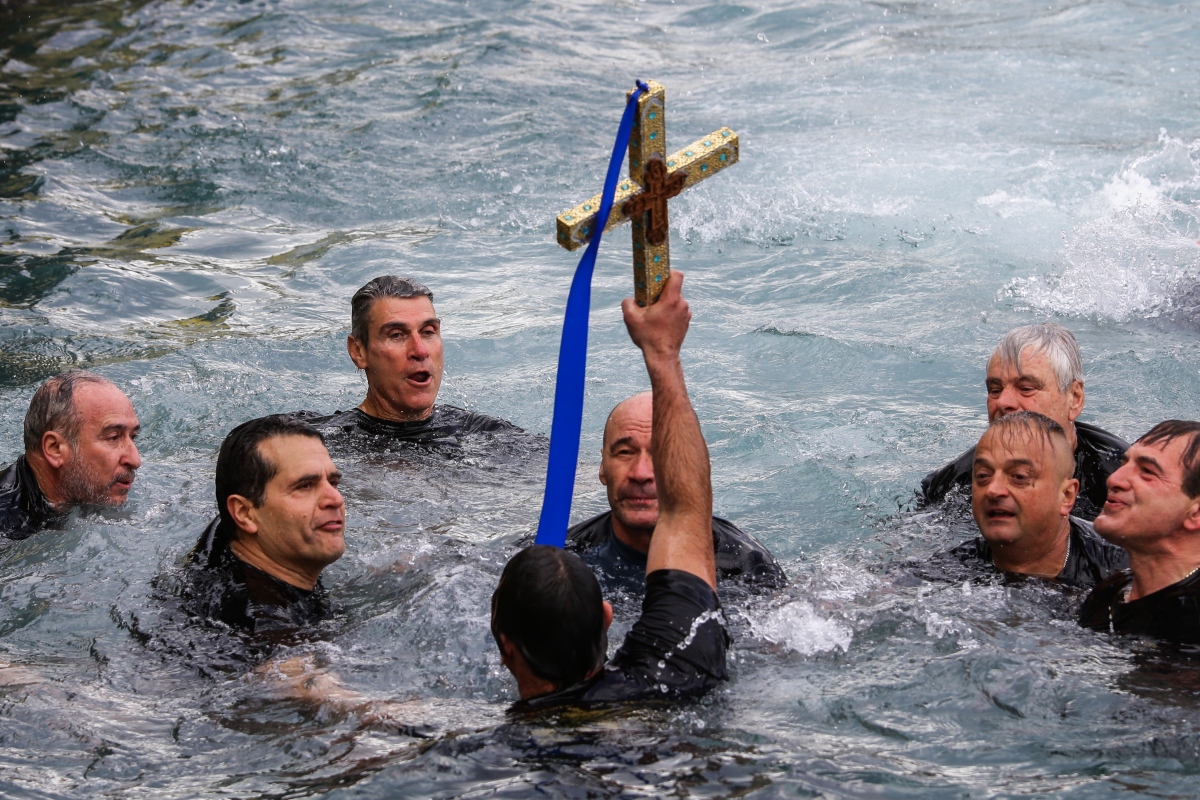
- An Orthodox priest blesses the body of water and then casts a holy cross into it.
- Traditionally, young men raced into the chilly waters to retrieve the cross; today, women and girls also participate in many communities.
- It is widely believed that whoever retrieves the cross will enjoy good fortune and spiritual blessing throughout the year.
- In some celebrations, a white dove is released after the cross is recovered—symbolizing the Holy Spirit.
This dramatic rite is the highlight of the day and often draws large crowds, joyful cheering, and an atmosphere of hope and renewal.
Other Customs & Regional Variations
Greece’s Epiphany traditions also include:
- Processions to the water’s edge, with priests, icons, and music leading worshippers toward the site of the blessing.
- In the Peloponnese town of Hermioni, young men decorate boats with palm leaves and sing before diving from them to retrieve the cross.
- Northern Greek villages like Drama and Kastoria weave older, pre‑Christian customs—such as the masked “Arapides” figures and carnival‑like processions—into the celebration, creating a vivid mix of faith and folklore.
- On Epiphany Eve in Crete, a traditional dish called fotokoliva (boiled wheat with legumes) is shared among families and sometimes fed to livestock for health and prosperity.
National Holiday & Cultural Significance
Epiphany is not only a religious feast but also a national holiday in Greece, marking the culmination of the 12‑day Christmas season. Greeks often enjoy a day of worship, community gatherings, and family celebrations outside the usual routine of work and school.
It is also traditionally a name day celebration for thousands of Greeks named after Theophany‑related names: Theofanis, Theofania, Fanis, Fani, Fotis, Ourania, and others.
Spiritual Meaning
For the Greek Orthodox Church, Epiphany (Theophania) emphasizes light, revelation, and blessing—a reminder of Christ’s role as a bringer of salvation and spiritual illumination. Through the Blessing of the Waters, believers symbolically re‑enact the sanctification of creation, drawing spiritual strength and invoking protection for the year ahead.
The Feast of the Epiphany (Theophania) on January 6 is a living tapestry of faith, tradition, and community in Greece. With its mix of ancient ritual, joyous celebration, and symbolic renewal, it remains one of the most cherished dates on the cultural and spiritual calendar—uniting generations around water, light, and blessing.
Source: pagenews.gr
Διαβάστε όλες τις τελευταίες Ειδήσεις από την Ελλάδα και τον Κόσμο







Το σχόλιο σας