


Panagiotopoulos in Parliament: Objections to Dendias’ Bill and Non-Commissioned Officers
 ΧΡΟΝΟΣ ΑΝΑΓΝΩΣΗΣ 3 '
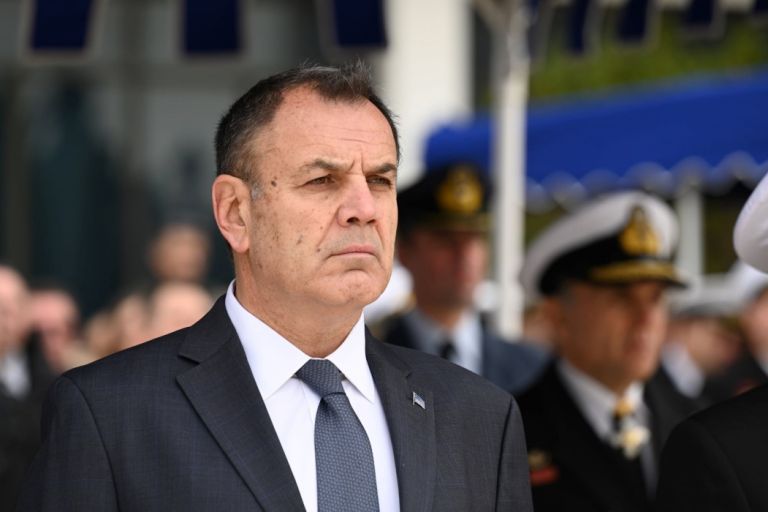
Πηγή Φωτογραφίας: eurokinissi//Panagiotopoulos in Parliament: Objections to Dendias’ Bill and Non-Commissioned Officers



One of the most intense political battles of recent months is unfolding in the Hellenic Parliament, this time regarding the bill redefining the structure of the Armed Forces, particularly the career paths of non-commissioned officers. The dispute concerns not only legal and military issues but also political, social, and journalistic dimensions that reveal deeper tensions within the political system.
What’s being discussed in Parliament?
The bill titled “Transition Map of the Armed Forces to the New Era” has sparked fierce political debate. The New Democracy government promotes it as a necessary reform to modernize and increase military effectiveness, claiming it can strengthen the structure and functionality of the Armed Forces.
However, opposition parties and military organizations have voiced serious objections regarding provisions affecting non-commissioned officers, especially in terms of promotion opportunities to officer ranks.
The role of non-commissioned officers and reactions
The debate centers on non-commissioned officers, who argue that the bill:
- Significantly restricts opportunities for promotion to officer ranks, especially for long-serving personnel.
- Alters the rank structure and hierarchy in ways that could undermine morale and legal security for personnel.
Military associations and personnel have staged protests outside Parliament, with active-duty and retired members demonstrating against the bill, calling it a blow to morale and their rights.
Panagiotopoulos and the political scene
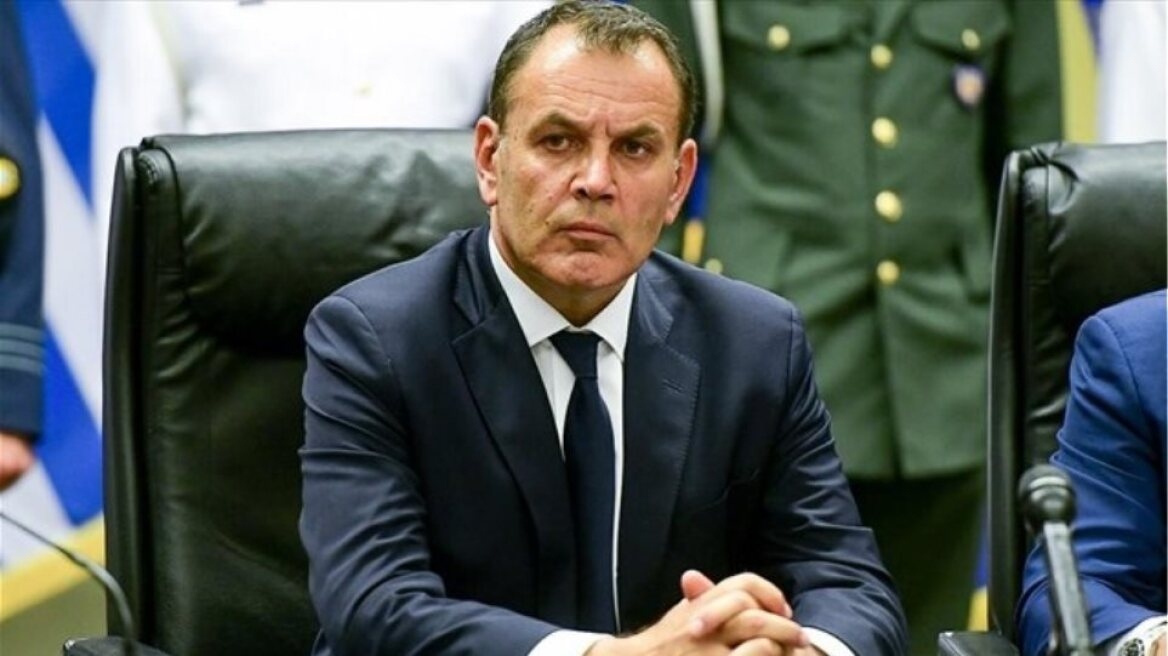
At the heart of the political confrontation was former Minister of National Defense Panos Panagiotopoulos, who, from the Parliament podium, criticized provisions affecting non-commissioned officers and highlighted internal contradictions within the government ranks.
This crisis exposes a deeper para-political dimension: the government must balance strategic choices, internal pressures within New Democracy, and the need not to weaken critical segments of the military — while maintaining political initiative.
Constitutionality objections and parliamentary episode
The opposition submitted objections regarding unconstitutionality, citing the constitutional principles of legal security and protected trust that citizens/military personnel have towards the legislature.
Despite these efforts, the objections were rejected by a majority in the plenary session, fueling further reactions and enhancing the debate on how the government designs defense policy amid internal and external challenges.
Politics, Defense, and Journalism Intersect
The bill on the “Transition Map of the Armed Forces to the New Era” has become a focal point of political and social conflict, not only due to its content but also due to how it engages public discourse.
Defense policy is closely tied to political accountability and journalistic oversight: media coverage shapes public perception, while military and political reactions in turn influence the political agenda from within.
Πηγή: pagenews.gr
Διαβάστε όλες τις τελευταίες Ειδήσεις από την Ελλάδα και τον Κόσμο






Το σχόλιο σας