


2026: Greece Enters the Era of Energy Drilling
 ΧΡΟΝΟΣ ΑΝΑΓΝΩΣΗΣ 3 '
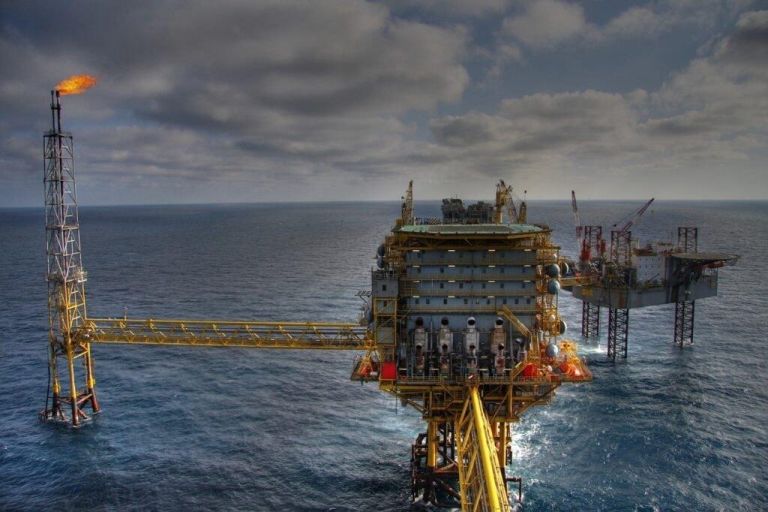
Πηγή Φωτογραφίας: AP Photo//2026: Greece Enters the Era of Energy Drilling



The year 2026 is shaping up as a landmark for Greece’s hydrocarbon program, marking the first time in nearly four decades that the country is on track for real offshore exploratory drilling — backed by major investments, international players, and high-stakes geopolitical implications.
In the Northwestern Ionian Sea, the “Block 2” consortium led by Energean, with partners ExxonMobil and Helleniq Energy, is accelerating its timeline, aiming for its first exploratory drilling by late 2026, assuming all technical and administrative approvals align.
Simultaneously, south of Crete, another critical chapter unfolds: the Chevron–Helleniq Energy consortium plans extensive seismic surveys in the “South Crete I” and “South Crete II” blocks, with survey vessels set to collect data by the end of 2026 — contingent on confirming high-potential geological formations.
Central Strategic Plan
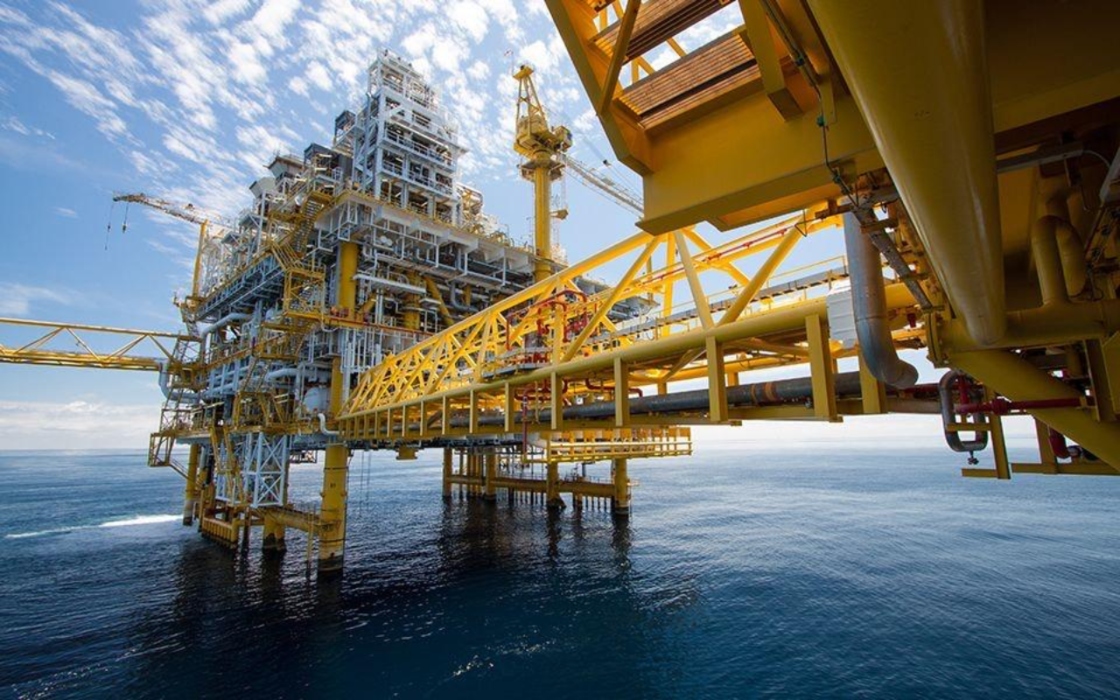
At the core is the drilling rig “Asopos 1”, leased by Energean under a “2+2” double-drilling program aimed at identifying major natural gas reserves. Indications suggest up to 200 billion cubic meters, making the prospect highly promising. ExxonMobil is expected to act as operator and financier, with an estimated investment of $50–100 million.
Behind the Scenes: Political and Geopolitical Context
The choice of international partners such as ExxonMobil and Chevron is not just a commercial decision; it carries geopolitical weight, signaling international support for Greece’s energy independence efforts. In a Europe aiming to diversify natural gas sources, initiatives like these intersect with broader diplomatic and strategic calculations.
Despite the optimism, key milestones remain challenging:
- Extension of Block 2 permits to allow 2.5–3 years for research and confirmatory drilling.
- Approval by Greece’s EDEYEP authority for ExxonMobil’s participation.
- Completion of the Environmental Impact Study (EIS), a potential bottleneck due to past litigation delays in similar projects.
Ideally, the first drill could occur in late 2026 – early 2027, though even minor administrative or legal delays could push this to mid-2027.
The Big Picture
These developments coincide with positive economic forecasts for Greece: the European Commission projects moderate but steady growth of around 2.2% in 2026, supported by investments and domestic demand.
If Greece successfully executes these processes, the energy drilling initiatives could position the country as a strategic energy hub in the region, opening new revenue streams and long-term strategic advantages.
2026 is poised to be a trial year for Greece’s energy strategy, featuring the first offshore drill in decades, major geopolitical opportunities, and a combination of commercial, administrative, and environmental challenges that could define the country’s energy trajectory for decades.
Source: pagenews.gr
Διαβάστε όλες τις τελευταίες Ειδήσεις από την Ελλάδα και τον Κόσμο








Το σχόλιο σας