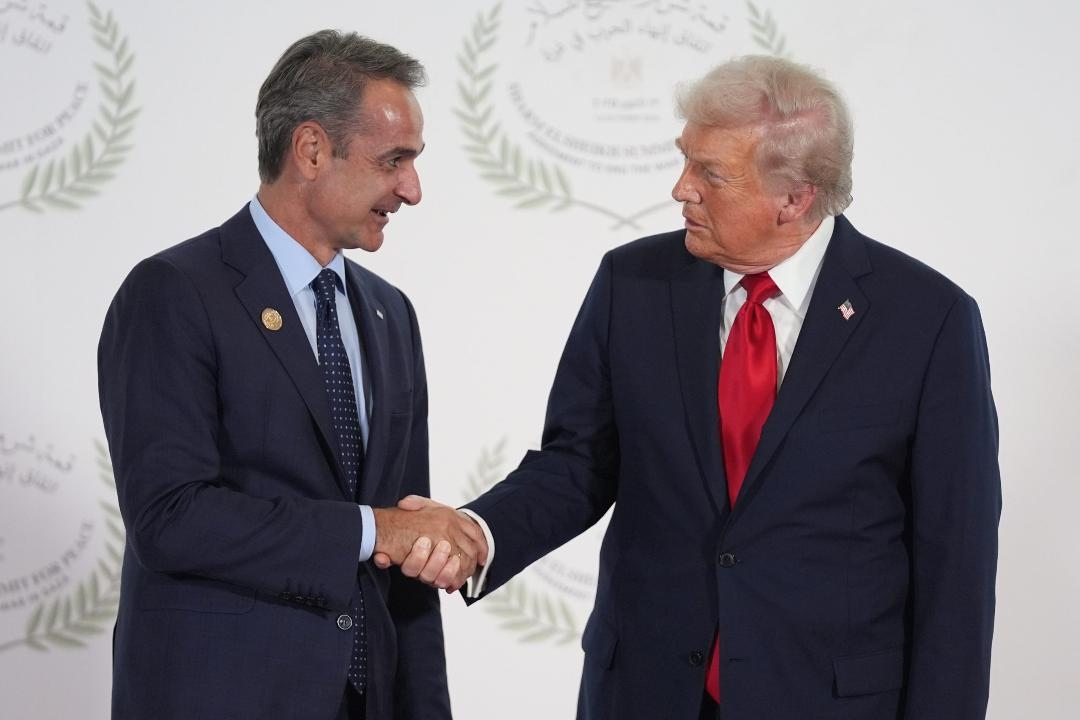
The Greek government appears cautious in responding to U.S. President Donald Trump’s invitation to join his proposed Peace Council, a controversial initiative gaining attention at the World Economic Forum in Davos. Athens is showing reluctance, mirroring the hesitancy of several other European capitals.
The council, which Trump envisions as a multinational body to oversee peace in Gaza, has raised legal and political concerns because it extends beyond its initial mandate, moving toward a permanent global role with broad powers — potentially undermining the UN framework.
Greece is carefully reviewing the proposal to ensure it aligns with international law and UN resolutions, consulting closely with European partners before taking a formal stance
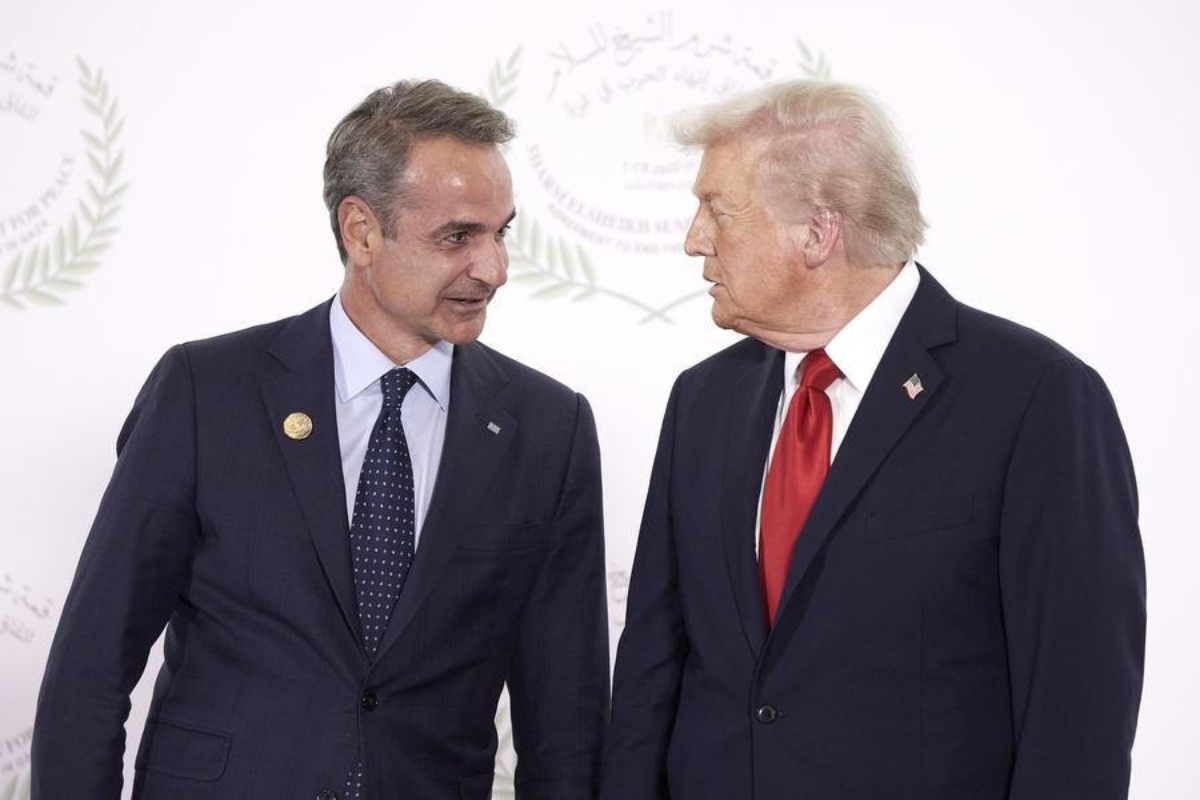

The initiative has sparked debate across Europe: France and Germany have also shown hesitation, citing concerns over the council’s structure and authority. In contrast, Hungary has signaled willingness to participate, highlighting the emerging divisions among EU members over whether the council is a genuine peace effort or a geopolitical tool challenging the UN system.
For Athens, the priority is to ensure that participation does not undermine its role as a non-permanent UN Security Council member, nor create tensions with European allies or established international frameworks.
The geopolitical stakes remain high: as Trump pushes to shape an alternative structure outside traditional multilateral institutions, European nations are increasingly wary of a world order driven by the “law of the strongest” rather than established diplomacy.
Source: pagenews.gr