


A War Without Winners: Georgiadis’ Statement and the Broader Debate on Responsibility in Ukraine
 ΧΡΟΝΟΣ ΑΝΑΓΝΩΣΗΣ 4 '
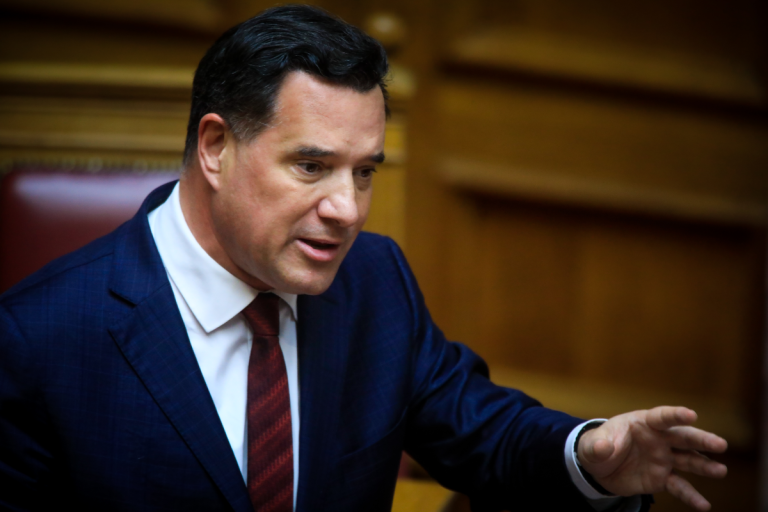
Πηγή Φωτογραφίας: eurokinissi//A War Without Winners: Georgiadis’ Statement and the Broader Debate on Responsibility in Ukraine



The public statement by Greek government official Adonis Georgiadis on social media comes at a moment when the war in Ukraine has firmly established itself as a central issue in global geopolitics. What began as a regional conflict now affects international security, energy markets, and diplomatic relations far beyond Eastern Europe.
In his remarks, Georgiadis emphasizes that “no one is pleased to see a people and a great country such as Russia suffer,” a position that distances itself from notions of collective blame. At the same time, he argues that the war must come to an end and that responsibility for its continuation lies with Russia. This dual approach reflects a broader effort, common in Western political discourse, to distinguish between societies and the decisions made by their political leadership.
From one perspective, such statements align with the prevailing position of the European Union and NATO, both of which stress the importance of accountability in international relations and the principle that borders should not be changed through force. As a member of both organizations, Greece has consistently supported this framework, even while remaining outside the core group shaping day-to-day policy on Ukraine.
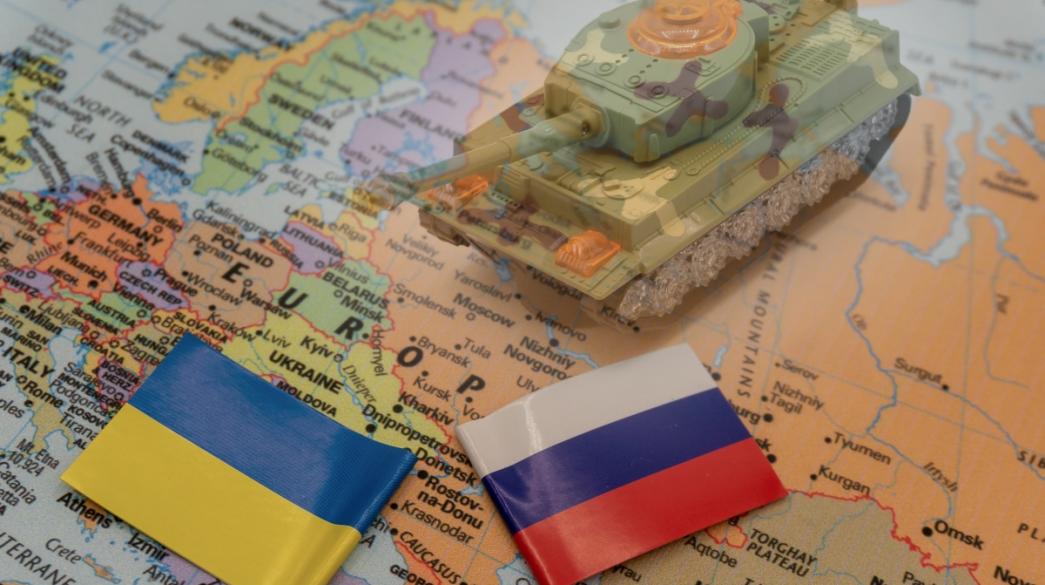
From another perspective, critics argue that assigning responsibility in absolute terms risks oversimplifying a complex conflict shaped by long-standing security concerns, historical tensions, and competing strategic interests. They caution that rhetoric centered on blame may complicate diplomatic efforts and reduce the space for negotiated solutions.
Georgiadis’ statement also highlights the human cost of the conflict. Beyond military developments and diplomatic maneuvering, the war has had significant consequences for civilian populations, economic stability, and social cohesion—both in Ukraine and beyond. His reference to Russia as a “great country” underscores the idea that a nation’s cultural and historical identity should not be reduced solely to its government’s wartime decisions.
The international community continues to face a difficult balance. There is widespread agreement on the need to end the conflict, yet persistent disagreement over how peace can be achieved without undermining international norms or creating precedents that could affect future conflicts. Within this context, statements like Georgiadis’ function less as concrete policy proposals and more as political signals reflecting broader alignments and concerns.
Ultimately, the debate surrounding the war in Ukraine illustrates the tension between the pursuit of peace and the demand for accountability. As long as this tension remains unresolved, international discourse is likely to continue oscillating between calls for compromise and assertions of responsibility—highlighting the absence of clear winners in an ongoing and deeply consequential conflict.
Κανένας δεν χαίρεται όταν ένας λαός και μία σπουδαία Χώρα όπως η Ρωσία υποφέρουν αλλά πρέπει ο Ρωσικός λαός να καταλάβει ότι αυτός ο φοβερός πόλεμος στην Ουκρανία πρέπει να τελειώσει και η Ρωσία έχει ευθύνη για αυτόν . https://t.co/02Uhg5SqRX
— Άδωνις Γεωργιάδης (@AdonisGeorgiadi) January 25, 2026
Πηγή: pagenews.gr
Διαβάστε όλες τις τελευταίες Ειδήσεις από την Ελλάδα και τον Κόσμο







Το σχόλιο σας