


Prokopis Pavlopoulos: “Never Forget – Never Again” the Holocaust of Greek Jews
 ΧΡΟΝΟΣ ΑΝΑΓΝΩΣΗΣ 3 '
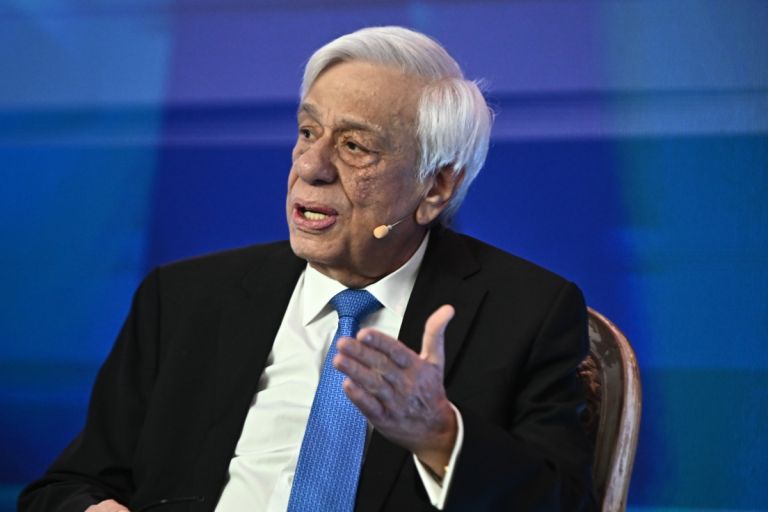
Πηγή Φωτογραφίας: eurokinissi//Prokopis Pavlopoulos: “Never Forget – Never Again” the Holocaust of Greek Jews



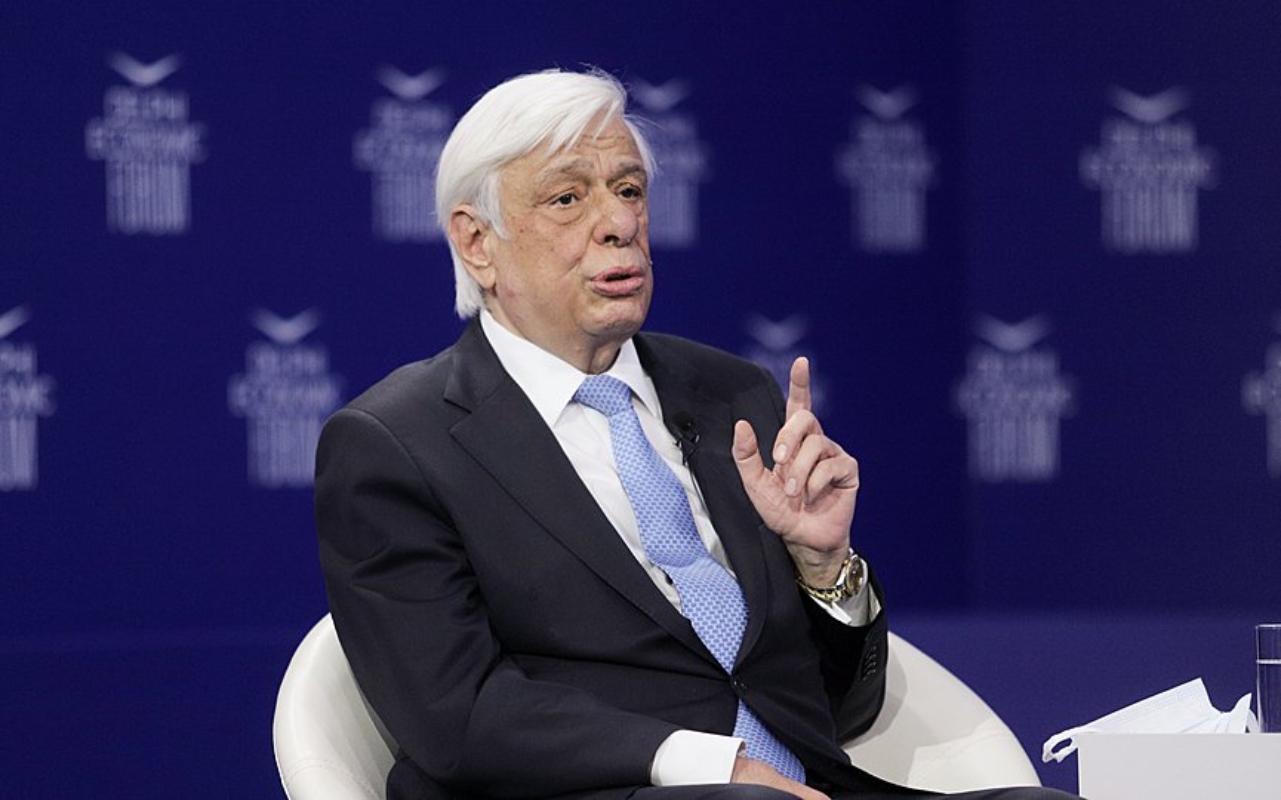
On the Day of Remembrance of Greek Jewish Victims and Heroes of the Holocaust, former President of the Hellenic Republic and academic Prokopis Pavlopoulos spoke in Thessaloniki with profound emotion, emphasizing the historical responsibility of memory and the significance of the Jewish Holocaust Museum, founded in 2017.
I. Historical Journey of the Jewish Community of Thessaloniki
The Jewish Community of Thessaloniki has roots dating back centuries, with the first residents possibly arriving during the Roman period. Major migrations occurred after 1492, when thousands of Sephardic Jews settled in the city, fleeing persecution in Spain and Portugal.
Throughout the 19th and early 20th centuries, the community achieved remarkable economic, social, and cultural progress, including the pioneering “Federation” labor movement under Avraam Benaroya. Despite setbacks such as the 1917 fire, the community counted over 50,000 members in 1940, with significant participation in the Greco-Italian War and Resistance.
On April 9, 1941, German occupation forces imposed restrictions and ghettoization, and on March 15, 1943, the first trains carrying Greek Jews to Auschwitz-Birkenau departed. Of the 46,000 Jews of Thessaloniki, only 1,950 survived and returned to rebuild a diminished but resilient community.
II. Contemporary Dimensions of “Never Forget – Never Again”
Pavlopoulos stressed that the Holocaust is both an enduring wound and a perpetual warning for humanity. He emphasized the need for constant vigilance against fascism, Nazism, and extreme violence, especially today, as historical amnesia and revisionism threaten European memory and democracy.
- The Holocaust Museum in Thessaloniki serves as a beacon of memory and education, reminding us that the Holocaust was the most heinous crime against humanity and must never be repeated.
- Pavlopoulos linked the history of Greek Jews to the memory of the Genocides of Greeks in Pontus and Asia Minor, underscoring that memory is fundamental to humanism, solidarity, peace, and human rights.
III. Historical and Scholarly Reflections
The former President cited key studies:
- Mark Mazower, Dark Continent, highlighting that 20th-century Europe was not naturally a home of freedom, but rather a “laboratory” for authoritarian experimentation.
- Saul Friedländer, Nazi Germany and the Jews, demonstrating that anti-Semitic ideology was central to Nazi policy, with Auschwitz as the inevitable result.
He emphasized that survivors’ personal testimonies are living history and essential to maintaining historical consciousness and preventing the recurrence of such crimes.
IV. A Message for the Future
Pavlopoulos concluded that “Never Forget – Never Again” entails a dual responsibility:
- Remember that the Holocaust was the most heinous crime against humanity, violating the essence of life, freedom, and human dignity.
- Remain vigilant against the resurgence of fascism and Nazism, especially amid social inequality and the erosion of the Rule of Law.
The message from Thessaloniki, a city of history and culture, is clear: Greeks and
Source: pagenews.gr
Διαβάστε όλες τις τελευταίες Ειδήσεις από την Ελλάδα και τον Κόσμο







Το σχόλιο σας