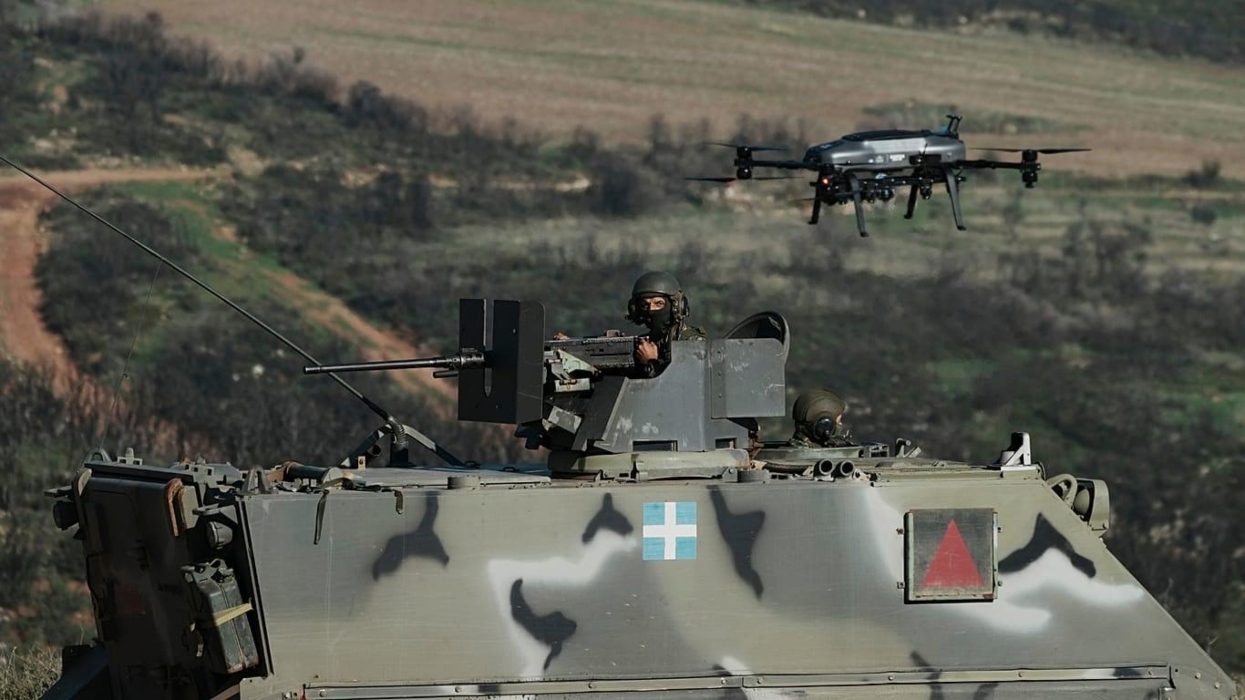
In a decisive step toward reshaping Europe’s security architecture, the European Commission has given the green light to Greece’s national defense plan under the SAFE instrument (“Security Action for Europe”). The decision places Greece among the member states moving fastest to align with the EU’s emerging defense doctrine, at a time when geopolitical instability is redefining the Union’s strategic priorities.
Alongside Greece, the Commission approved the defense investment plans of Estonia, Italy, Latvia, Lithuania, Poland, Slovakia and Finland, following what it described as a strict and comprehensive evaluation of the submitted National Defense Investment Plans. The proposal has now been forwarded to the Council of the EU, which has four weeks to assess and formally endorse the plans.
Funding, figures and timelines
For Greece, the provisional allocation stands at €787.67 million, notably lower than the €1.2 billion requested by Athens in late July, yet politically significant. If the Council grants final approval, the European Commission is expected to proceed with the first disbursements in March 2026.
Earlier, in mid-January, the Commission had already approved the first batch of eight national defense plans (Cyprus, Bulgaria, Romania, Croatia, Belgium, Denmark, Spain and Portugal). Of the 19 countries participating in SAFE, plans from 16 have now received approval, while evaluations continue for France, Hungary and the Czech Republic.
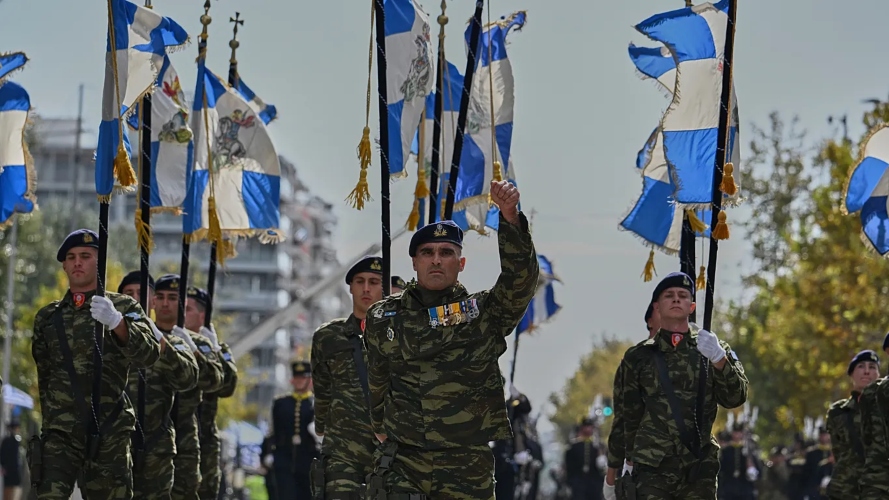

SAFE and the “Readiness 2030” doctrine
SAFE is a cornerstone of the EU’s ambitious defense package “Readiness 2030”, designed as a strategic response to Europe’s deteriorating security environment in the wake of the war in Ukraine. With a total envelope of €150 billion, the mechanism aims to enable member states to rapidly and collectively scale up defense spending through joint procurement from the European defense industry.
At its core, SAFE seeks to reduce fragmentation, strengthen Europe’s strategic autonomy and curb long-standing dependence on non-EU defense suppliers, particularly the United States.
Beyond the EU: a geopolitical tool
One of SAFE’s most consequential features is its external dimension. Ukraine, as well as EFTA/EEA countries, will be able to participate in joint procurements and source equipment from their own industries. The same applies to accession countries, candidate and potential candidate states, and nations that have concluded security and defense partnerships with the EU.
This framework gives SAFE a clear geopolitical role, transforming it from a financial instrument into a lever of European influence, capable of shaping defense cooperation well beyond the Union’s borders.
What it means for Greece
For Athens, the approval represents both institutional validation and strategic recognition of Greece’s role as a security pillar in Southeastern Europe. It also raises expectations for increased participation of the Greek defense industry in European supply chains and for deeper integration into joint EU defense initiatives.
The broader question, however, remains open: can SAFE become the foundation of a genuine European Defense Union, or will it fall short of its transformative ambitions? For Greece and its partners, the answer will be determined not by announcements, but by implementation.
Source: pagenews.gr