


“EU Commission Warns Athens on GSI Cable – Geopolitics, Delays, and €657M at Risk”
 ΧΡΟΝΟΣ ΑΝΑΓΝΩΣΗΣ 3 '
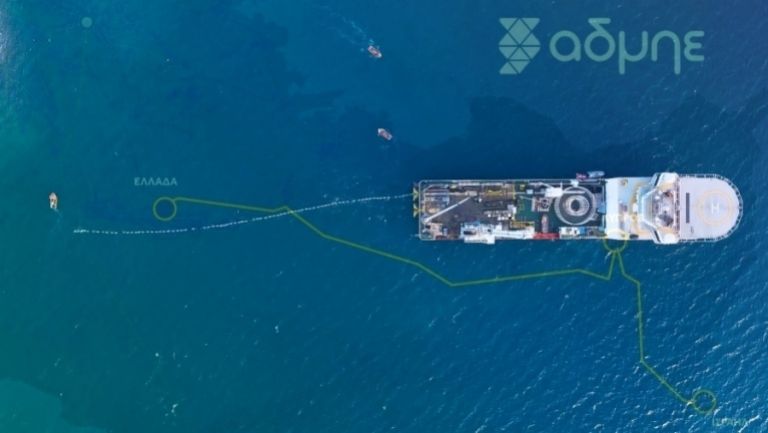
Πηγή Φωτογραφίας: admie//"EU Commission Warns Athens on GSI Cable – Geopolitics, Delays, and €657M at Risk"



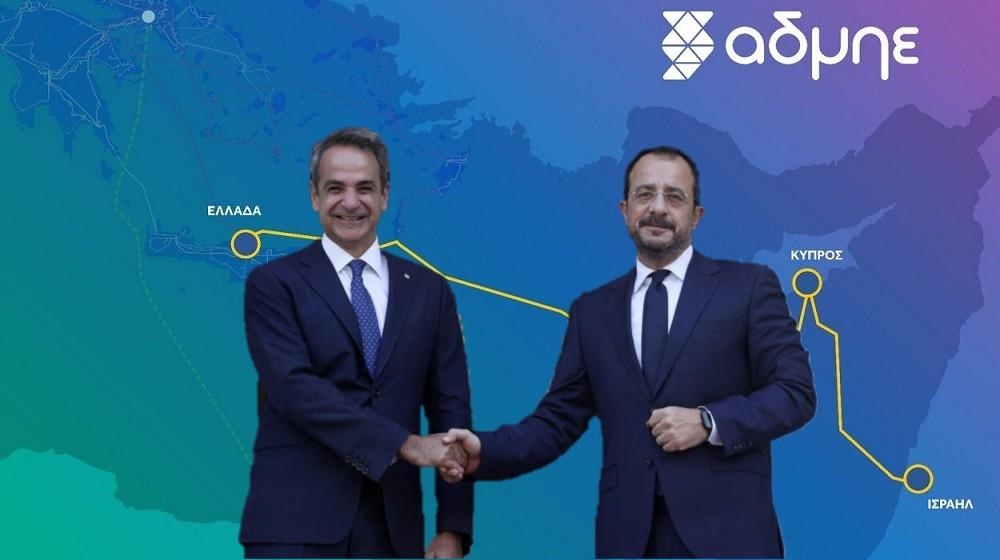
The European Commission has for the first time introduced the geopolitical factor into its official narrative for the strategic Greece–Cyprus electricity interconnection (Great Sea Interconnector – GSI), triggering a new strategic and political challenge for a project funded with approximately €657 million in EU funds and considered vital for energy security in the Eastern Mediterranean.
In recent remarks, Energy Commissioner Dan Jørgensen acknowledged officially that the GSI’s progress is affected by a complex geopolitical environment, impacting both timelines and costs — a reference closely linked to Turkish reactions and the interruption of seabed cable surveys south of Kasos.
This marks a shift in the Commission’s rhetoric, which until recently relied on general advice for addressing regulatory and technical issues between the two governments. Now, Brussels is explicitly highlighting broader geopolitical tensions as a central factor in assessing the project’s viability, with political implications for Athens and Nicosia if delays or cost overruns continue.
“Red line” on a new viability study
In a decisive move, the DG Energy is reportedly blocking Greece and Cyprus from updating cost-benefit analyses — a step that would reopen questions about the GSI’s sustainability for consumers and could politically challenge the existing funding decision.
The Commissioner also emphasized that inclusion in the EU’s Projects of Common Interest (PCI) list requires a comprehensive study with a positive viability assessment, and retroactive questioning of such studies amounts to an indirect challenge to the €657 million EU funding decision.
Responsibilities, blame game, and geopolitical risks
In recent months, the Greek government has partly blamed delays on Nicosia, while the Cypriot side has repeatedly expressed doubts regarding project viability under current geopolitical pressures.
However, Brussels appears to cast subtle shadows on Athens’ management of the file, noting that avoiding public acknowledgment of the Turkish threat and procedural delays heightens risks and strains timelines.
If tensions with Ankara persist while the project’s viability is questioned again by technical and economic factors, the risk of losing EU funds and effectively canceling the project becomes tangible. The Commission has sent a clear signal that geopolitical uncertainty cannot be treated as a taboo when hundreds of millions in EU funds are at stake.
Toward redesign or deadlock?
Against this backdrop, Athens must move away from communication-focused management and present a convincing, technically grounded strategic plan for the GSI. Failure to do so risks not only EU scrutiny over fund management but also the loss of a project deemed critical for connecting Cyprus to Europe’s electricity grid.
Meanwhile, the GSI remains under close monitoring by Brussels and national policymakers, with Eastern Mediterranean geopolitical tensions adding further stress to the project’s timely completion.
Source: pagenews.gr
Διαβάστε όλες τις τελευταίες Ειδήσεις από την Ελλάδα και τον Κόσμο








Το σχόλιο σας