


Turkey Moves Power Cable into Occupied Cyprus as Greece and Cyprus Lose Strategic Ground
 ΧΡΟΝΟΣ ΑΝΑΓΝΩΣΗΣ 4 '
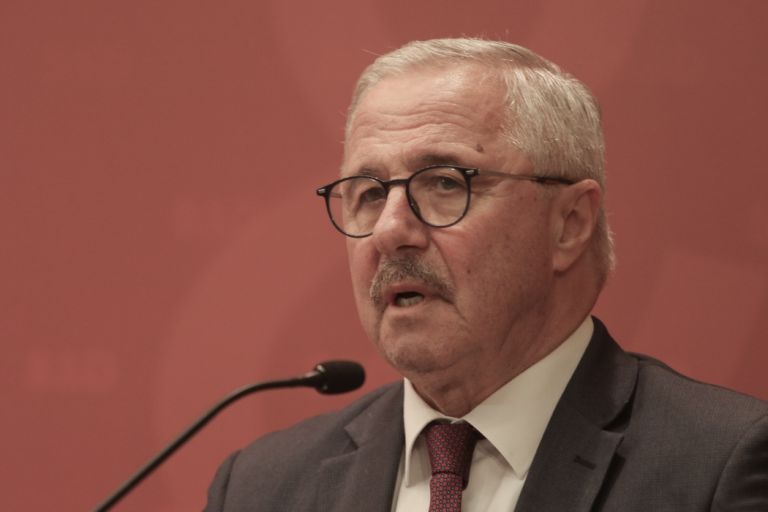
Πηγή Φωτογραφίας: --ΧΡΗΣΤΟΣ ΜΠΟΝΗΣ/EUROKINISSI//Turkey Moves Power Cable into Occupied Cyprus as Greece and Cyprus Lose Strategic Ground



Turkey is moving decisively from rhetoric to action, advancing plans for an electric power interconnection between the Turkish mainland and occupied northern Cyprus, while Athens and Nicosia remain trapped in political hesitation and cost disputes over the long-planned Greece–Cyprus–Israel Interconnector (GSI).
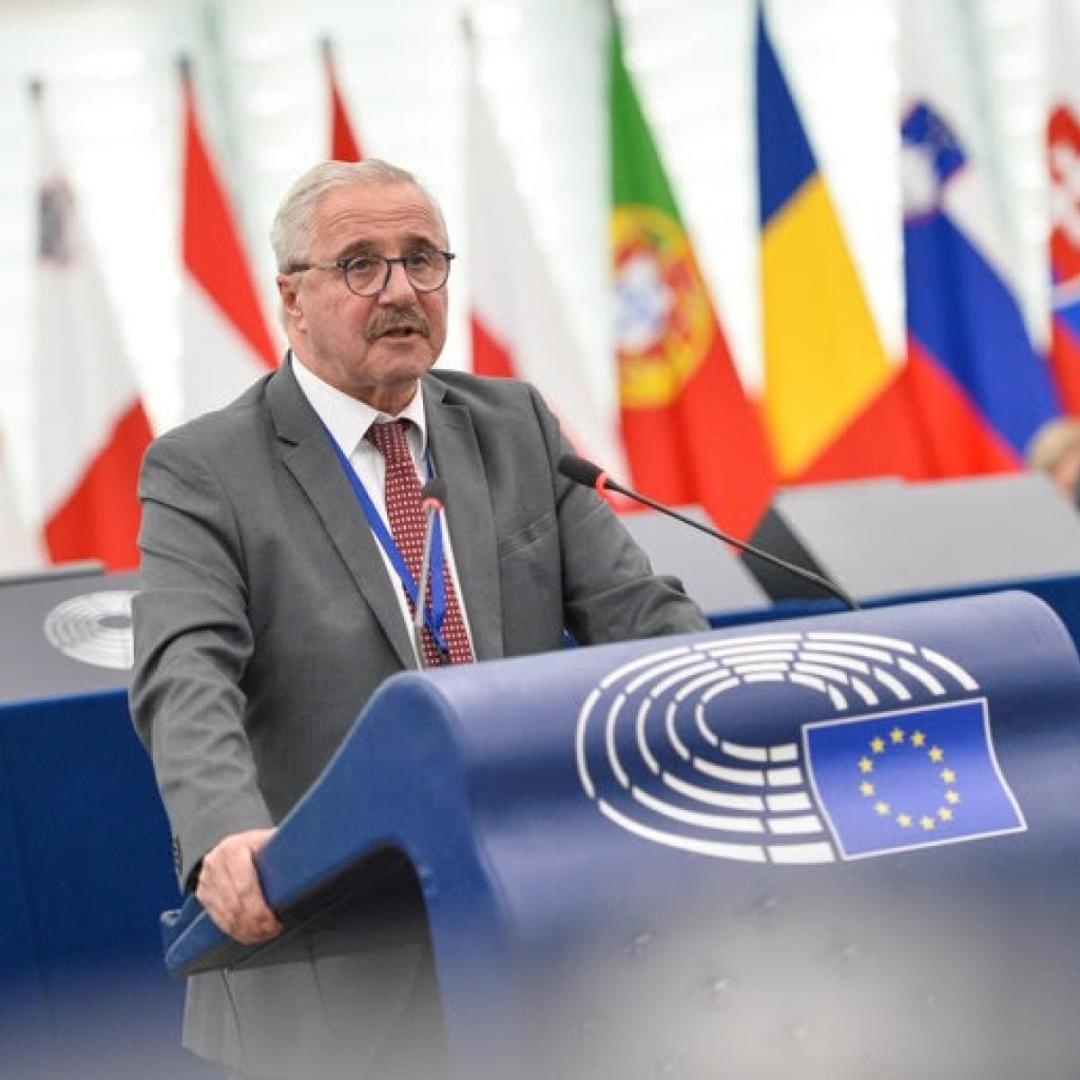
According to PASOK MEP and Vice-President of the Socialists & Democrats Group, Yiannis Maniatis, these developments amount to a major strategic and diplomatic defeat not only for Greece and Cyprus, but for the European Union itself.
Ankara’s calculated energy offensive
Statements by the so-called “prime minister” of the occupied territories, Ünal Üstel, reported in Cypriot media, indicate that the feasibility study for the Turkey–occupied Cyprus electricity link has already been completed, with Ankara now seeking approval to connect the project to the European grid via ENTSO-E.
The objective is clear: to present the Turkish project as a “more viable solution” to the EU and ultimately secure European funding, effectively pushing a de facto international legitimisation of the occupied territory through energy infrastructure.
GSI: a mature EU project left to stall
In sharp contrast, the Greece–Cyprus–Israel Interconnector (GSI) — designated a Project of Common Interest (PCI)by the EU since 2013 — remains frozen despite:
- repeated positive assessments by the European Commission,
- secured EU funding exceeding €657 million,
- its strategic role in ending Cyprus’ energy isolation.
Maniatis strongly criticises what he calls “alleged updates of feasibility studies”, hinting that the unresolved €25 million funding issue masks a deeper problem: a lack of political will, primarily on the Greek side, to confront Turkish obstruction of seabed research and cable-laying operations.
Timing with a diplomatic message
The timing of Ankara’s announcements is anything but accidental. They come just ahead of the Mitsotakis–Erdoğan meeting, a move widely seen as an attempt to:
- expand the agenda de facto, or
- pressure Athens into retreat, granting Turkey political cover for unilateral actions in the Eastern Mediterranean.
Confusion in Athens, alarm in Brussels
Domestically, the Greek government appears internally disjointed. The Ministry of Foreign Affairs has shown remarkable inertia in response to Turkey’s long-term NAVTEX declarations, while Defence Minister Nikos Dendias has stepped in publicly, effectively filling the diplomatic vacuum and overshadowing Foreign Minister Giorgos Gerapetritis.
In Brussels, Maniatis warns that these handling failures have created “deeply negative impressions” within EU institutions, increasing the risk that Turkey may be perceived as the only actor capable of delivering tangible results in a strategically vital region.
Maniatis calls for joint action
The PASOK MEP urges Greece and Cyprus to:
- immediately resolve the €25 million funding deadlock,
- jointly request a formal condemnation of Turkey’s illegal actions by the European Council,
- restore a unified strategic front on energy security.
He also announced plans to submit a formal parliamentary question to the European Commission, seeking clarification on the possible involvement of ENTSO-E in the Turkey–occupied Cyprus interconnection.
The strategic bottom line
The electricity interconnection dispute has evolved into a litmus test for Greek and Cypriot foreign policy credibility. Should the GSI remain paralysed, Turkey will have achieved more than an infrastructure win — it will have secured a geopolitical upgrade through energy diplomacy, reshaping the balance of power in the Eastern Mediterranean.
Sources With information from statements by Yiannis Maniatis, Cypriot media reports, EU institutional documents, and diplomatic assessments.
Διαβάστε όλες τις τελευταίες Ειδήσεις από την Ελλάδα και τον Κόσμο





Το σχόλιο σας