


€1.03bn to the State: How PCT Turned Piraeus into a Global Shipping Powerhouse
 ΧΡΟΝΟΣ ΑΝΑΓΝΩΣΗΣ 4 '
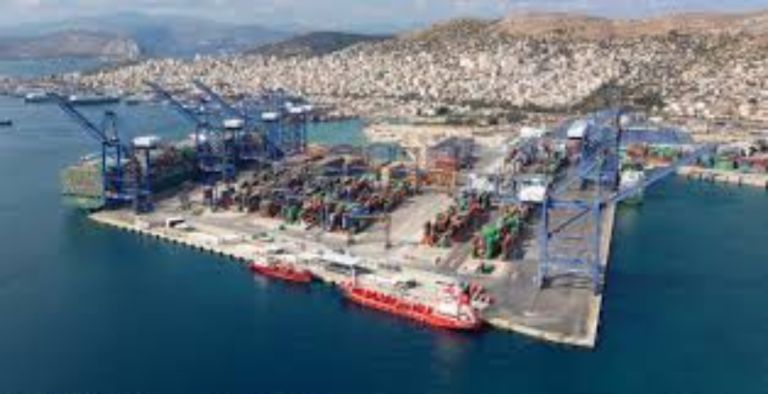
Πηγή Φωτογραφίας: eurokinissi//€1.03bn to the State: How PCT Turned Piraeus into a Global Shipping Powerhouse



Piraeus is no longer just Greece’s largest port. It has evolved into a strategic hub of global trade and a living case study of modern maritime policy. At the center of this transformation stands Piraeus Container Terminal (PCT), a subsidiary of COSCO SHIPPING Ports, which since 2009 has reshaped the economic, logistical and geopolitical footprint of the port.
A reliable pillar for public revenues
From concession fees, taxes and social security contributions, PCT has delivered more than €1.03 billion to the Greek State between 2009 and 2024. This figure underscores a critical reality: Piraeus is no longer a one-off success story, but a long-term fiscal asset for the national economy.
In an era when governments seek stable and sustainable income from strategic infrastructure, the PCT model stands out as a best practice of aligning private investment with public interest.
From 1.6 to 6.2 million TEUs
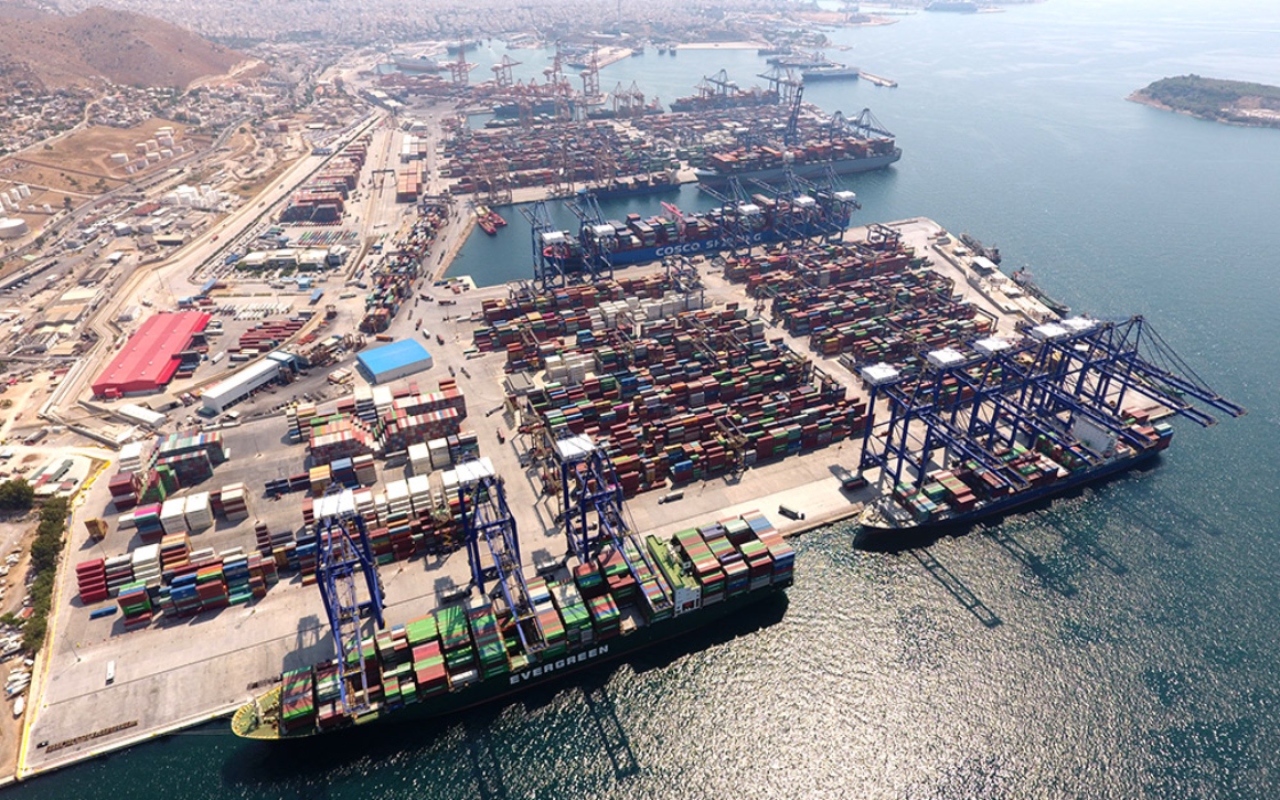
When PCT assumed operations of Piers II and III in 2009, it launched an ambitious modernization program backed by over €600 million in investments. As a result, the port’s capacity surged from 1.6 million to 6.2 million TEUs, driven by the construction of Pier III, state-of-the-art equipment and direct rail connectivity to the national and European hinterland.
This upgrade propelled Piraeus into the top five container ports in Europe, positioning Greece as a key gateway between Asia and Europe within global supply chains.
Strengthening domestic value chains
The economic impact extends well beyond port operations. For 2024–2025 alone, PCT has signed contracts worth €275 million with more than 600 suppliers, the vast majority of them Greek companies. This broad partner network generates multiplier effects across the domestic economy, reinforcing local value chains and industrial capacity.
Employment and human capital
With over 2,500 direct jobs and thousands more through contractors, PCT ranks among the largest employers in the Balkans. A strong focus on training, skills development and health & safety has created a workforce with continuity and depth—many of today’s managers come from the first generation of employees hired 15 years ago.
Green shipping in practice
Modern maritime policy is increasingly defined by decarbonization, and PCT has moved decisively in that direction. The electrification of core port equipment—including 30 electric quay cranes, 22 RMGs and 45 eRTGs—has significantly reduced energy consumption and emissions.
The results are tangible: a 36% reduction in CO₂ emissions between 2022 and 2024, within a broader strategy targeting climate neutrality by 2050.
A flagship initiative is the Onshore Power Supply (OPS) system combined with a 150 kV High-Voltage Substation, with a total investment of €48 million. Once completed, it will dramatically cut emissions during vessel berthing and place Greece at the forefront of green maritime infrastructure in the Mediterranean.
Social footprint with local roots
Beyond economics, PCT maintains a structured corporate social responsibility program exceeding €850,000, supporting vulnerable groups, schools, charitable institutions and student scholarships in the greater Piraeus area. This reinforces the social acceptance and local integration of a large-scale port operation within an urban environment.
Maritime policy with a long-term horizon
In a global landscape where ports define competitiveness, the PCT case demonstrates how strategic infrastructure investment can simultaneously deliver public revenues, economic growth, employment and environmental progress.
Piraeus has not merely grown in scale—it has redefined its role. And PCT now stands as a benchmark for Greece’s maritime policy and its place in global trade.
Source: pagenews.gr
Διαβάστε όλες τις τελευταίες Ειδήσεις από την Ελλάδα και τον Κόσμο






Το σχόλιο σας