


PPC, LNG and Power Politics: Alexandroupolis FSRU as the New Battleground in the Balkans
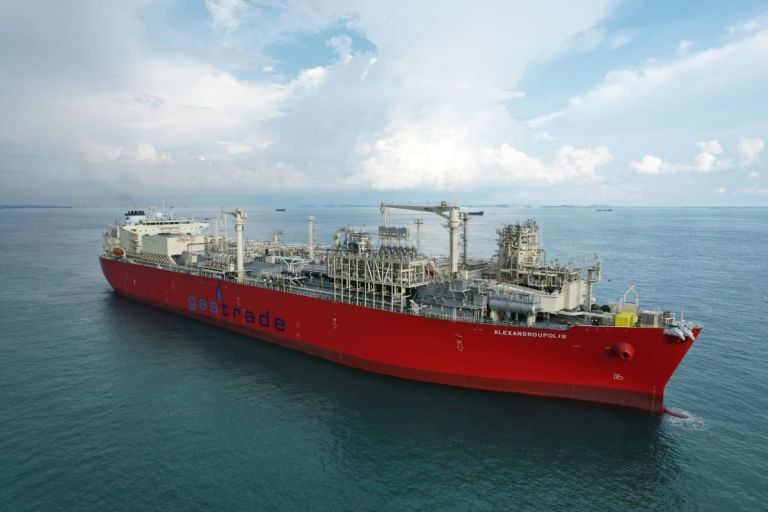
Πηγή Φωτογραφίας: freepik//PPC, LNG and Power Politics: Alexandroupolis FSRU as the New Battleground in the Balkans



The Public Power Corporation (PPC) is back at the Alexandroupolis FSRU with a 1 TWh LNG cargo, and anyone reading this as a routine fuel procurement decision is missing the point. This is a strategic power play, aimed not only at the market but also at political centers in Athens, Sofia, Bucharest – and Brussels.
After nearly a year of absence, PPC’s re-entry into the floating LNG terminal, with gas earmarked exclusively for its own power plants, signals a clear shift: the group wants vertical control, from LNG imports to electricity exports. No traders in between. No shared margins.
Alexandroupolis: energy hub or political lever?
The Alexandroupolis FSRU is rapidly becoming more than a regasification terminal. It is evolving into a tool of political and geopolitical influence, where three forces intersect:
- US LNG flows into Southeast Europe,
- Greece’s ambition to act as a regional energy gateway,
- and the Balkan states’ push to exit coal and reduce dependence on Russian gas.
By chartering the Brussels tanker (Total), PPC sends a blunt message: access secured, fuel guaranteed, generation ready. That message matters at a time when the rules of access to the Vertical Gas Corridor are being quietly renegotiated, amid strong lobbying and conflicting commercial interests.
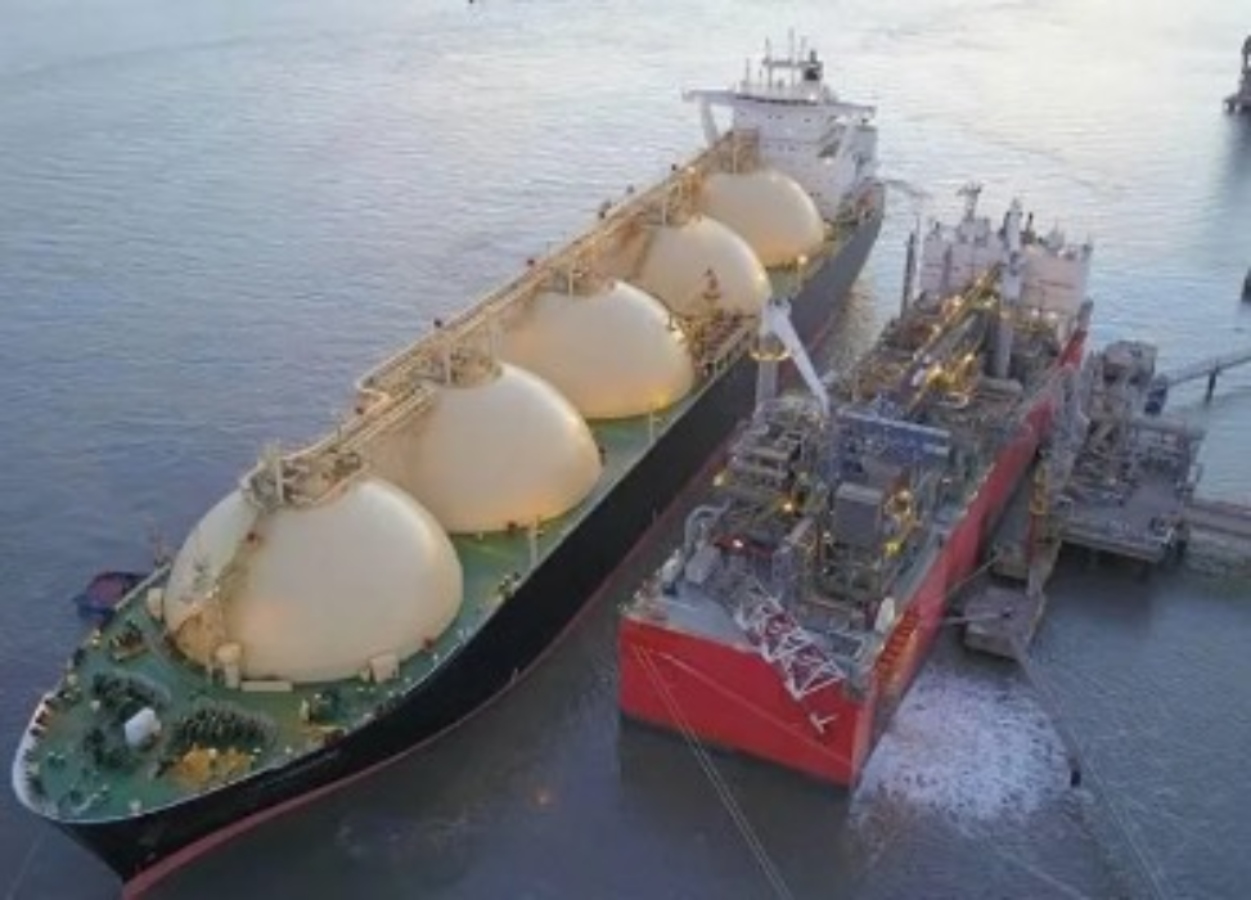
Old units shut, political space opens
The possible shutdown of two aging gas-fired units, including one in Komotini, is not just about efficiency. It is also about managing political fallout. Every closure triggers:
- pressure from local MPs,
- demands for compensatory investments,
- and behind-the-scenes bargaining.
The new 840 MW gas-fired plant in Alexandroupolis, with a €400 million price tag, is designed as both economic replacement and political counterweight. Not coincidentally, government officials increasingly describe it as a project of “national added value” – language often used to politically shield major energy investments.
Ptolemaida 5: from lignite flagship to transition symbol
Converting Ptolemaida 5 into a 300 MW gas unit is a carefully calibrated compromise. Not full closure, not coal continuation.
For PPC, it preserves political stability in a sensitive region while aligning with the EU’s narrative of a “realistic energy transition”. Symbolically, it marks the company’s break from lignite without burning bridges at home.
The Balkans: where energy meets foreign policy
PPC’s expansion plans in Bulgaria and Romania reveal a new corporate doctrine: less domestic utility, more regional power player.
- In Bulgaria, a potential 820 MW gas plant would fill the gap left by retiring coal assets and further tie Sofia to Greek LNG routes.
- In Romania, the planned 80 MW peaker plant shows PPC’s growing sophistication in balancing and peak markets, where margins are thin but strategically valuable.
Diplomatic circles increasingly view these investments as an energy extension of Greek foreign policy in Southeast Europe.
The Vertical Corridor’s limits – and its backstage politics
Ambitions, however, face constraints. Transporting LNG from Alexandroupolis to Ukraine remains costly and uncompetitive, limiting the corridor’s reach beyond the Balkans.
At the same time, the upcoming FSRU maintenance shutdown (April–June) and the temporary suspension of Route 2are triggering fresh rounds of quiet negotiations over future access rules once operations resume .
PPC is no longer just playing the energy game – it is playing a role. A regional actor. A market shaper. And at times, a silent partner of political power.
The key question circulating in energy and political circles alike is straightforward:
Will Alexandroupolis become a true lever of regional influence – or an expensive asset with limited returns?
The answer will not be given only by markets, but also behind closed political doors.
Source: pagenews.gr
Διαβάστε όλες τις τελευταίες Ειδήσεις από την Ελλάδα και τον Κόσμο





Το σχόλιο σας