


Greece–Turkey on a Diplomatic Tightrope: Mitsotakis Heads to Ankara
Πηγή Φωτογραφίας: eurokinissi//Greece–Turkey on a Diplomatic Tightrope: Mitsotakis Heads to Ankara



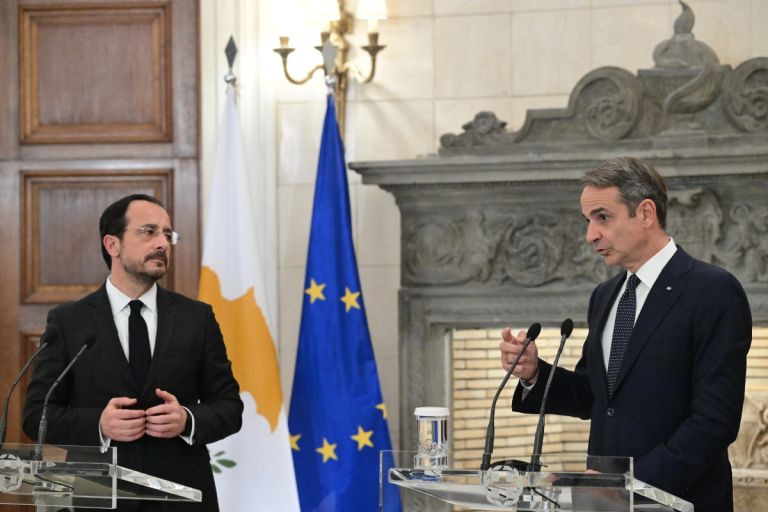
As tensions simmer in the Eastern Mediterranean, a critical diplomatic pivot is taking shape. Greek Prime Minister Kyriakos Mitsotakis spoke by telephone with Cypriot President Nikos Christodoulides just days before an anticipated February 11 meeting in Ankara with Turkish President Recep Tayyip Erdoğan — a summit that could shift longstanding geopolitical fault lines.
In their call, Mitsotakis offered a full briefing on the imminent Ankara visit, while both leaders reaffirmed close coordination over the Cyprus issue and shared commitment to international law.
This moment carries symbolic overtures toward détente — yet also deep undercurrents of strategic anxiety that extend beyond official communiqués.
A Strategic Dance Before Ankara
The February rendezvous with Erdoğan isn’t just another meeting — it’s a carefully choreographed political maneuver. With Greek, Cypriot, and Turkish stakes all intertwined, analysts see more than formal diplomacy at work.
Mitsotakis’ objective: Present a calm and controlled approach to bilateral relations, emphasizing that maritime boundary delimitation is the “sole dispute” between Athens and Ankara. This line of reasoning — repeated in Greek diplomacy — is designed to de‑escalate rhetoric while preserving national claims, but it also raises questions about how much Greece is willing to negotiate versus concede in future talks.
Christodoulides’ stake: Ensure that Nicosia’s position on the Cyprus issue isn’t sidelined, especially as the island nation holds the rotating EU presidency and pushes for renewed negotiation momentum.
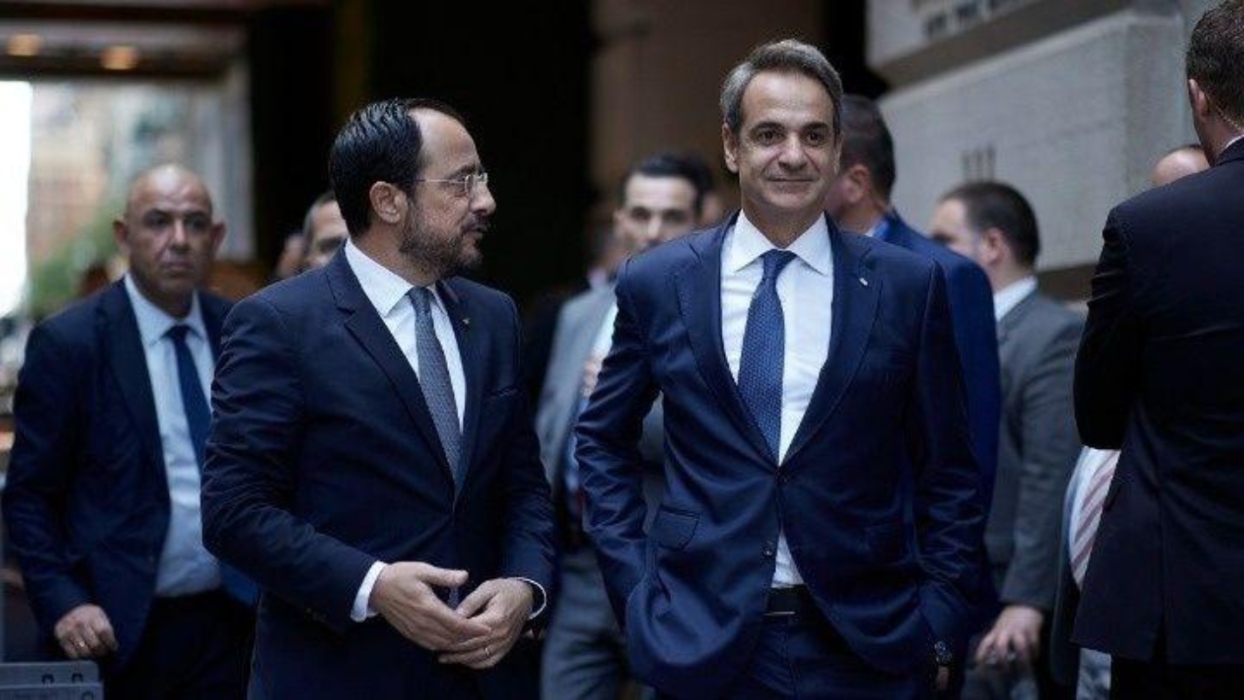
The call between Mitsotakis and Christodoulides also touched on latest developments in Cyprus peace efforts — part of a broader push to revive stalled talks within the framework of U.N. Security Council resolutions.
Behind the Diplomatic Script: Private Pressures, Public Stakes
Bold statements about unity often mask deeper strains. Despite formal alignment, Athens and Nicosia may be grappling with divergent domestic and geopolitical priorities:
- Cyprus’ firm stance on maritime rights and energy resources in the Eastern Mediterranean has long been a thorn in Ankara’s side and remains a critical issue underpinning both bilateral and trilateral negotiations.
- Turkey’s blocking of UN efforts to record convergences in Cyprus talks underscores Ankara’s reluctance to lock itself into diplomatic commitments without strategic leverage.
At the same time, Greek media report that Ankara interprets Mitsotakis’ preemptive visit as a gesture of readiness to engage — but not necessarily to yield.
All the while, historical grievances, energy politics, and NATO dynamics hover just below the surface of this ostensibly technical discussion.
The Broader Game: EU Presidency, NATO, and Eastern Mediterranean Balance
This diplomatic flurry unfolds against a backdrop of broader regional realignments:
- Nicosia’s upcoming EU Council presidency gives Cyprus institutional leverage that it hasn’t had in decades, and leaders are keen to use that platform to advance both EU–Turkey relations and internal security discussions.
- Greece has been building defense and strategic ties with allies including Israel and Cyprus, signaling a push for greater regional cooperation that serves as a counterbalance to Ankara’s ambitions.
- Turkey’s geopolitical calculus, meanwhile, is influenced by shifting partnerships in NATO and beyond, complicating Athens’ aim for predictable, rule‑based engagement.
Is This Harmony or High‑Wire Diplomacy?
From the outside, Athens and Nicosia project solidarity and meticulous preparatory coordination before what may be one of the most consequential talks with Ankara in years.
Yet beneath the surface, there are winding paths of domestic politics, national pride, and diplomatic hedging. Each leader must balance alliance expectations — both within the EU and across NATO — with the ever‑present realities of unresolved disputes.
As Mitsotakis heads to Ankara, the question isn’t just what he will say to Erdoğan — it’s what he won’t say publicly that may matter most.
Διαβάστε όλες τις τελευταίες Ειδήσεις από την Ελλάδα και τον Κόσμο






Το σχόλιο σας