


Union Boss Under Fire: Greek Labor Leader Probed in Alleged €73M Fraud
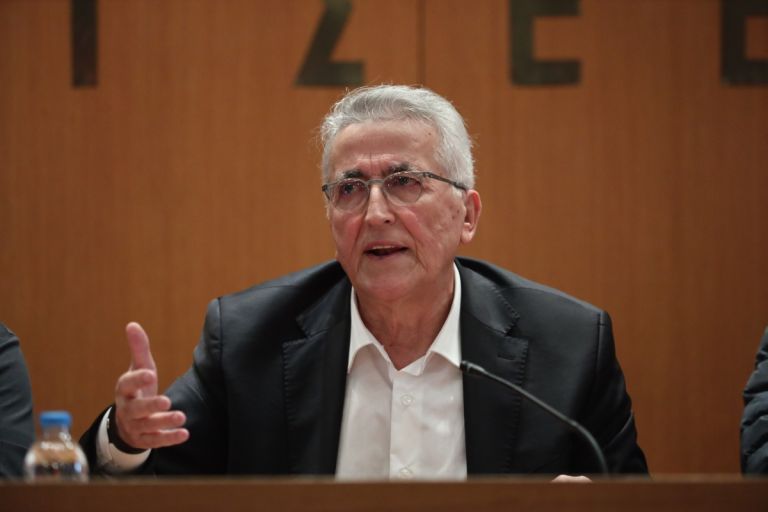
Πηγή Φωτογραφίας: eurokinissi//Union Boss Under Fire: Greek Labor Leader Probed in Alleged €73M Fraud



Greece’s labor movement is facing a political earthquake.For years, Yiannis Panagopoulos, the long‑time head of the country’s largest private‑sector union, has been one of the most recognizable figures in Greek labor — navigating crises, austerity and shifting political winds. Now, he is at the center of a major financial probe that could rock both unions and political allies alike.
A preliminary investigation ordered by Greece’s financial prosecutor follows a detailed 65‑page report by the country’s Anti‑Money Laundering Authority outlining suspected felony offenses, including embezzlement and money laundering linked to more than €73 million in public and EU funds.
The Charges That Shook the Labor World
The inquiry alleges that funds earmarked for vocational training and worker education programs were misused or diverted through a complex web of shell companies.
According to authorities:
- Bank accounts and assets linked to Panagopoulos, five other individuals and six companies have been frozen.
- Two properties tied to those under investigation are also under asset freeze.
- Investigators flagged repeated large cash withdrawals exceeding €1.5 million and unexplained transfers to personal accounts.
- Some contracts allegedly flowed through firms that lacked staff or capacity to perform the work, raising questions about favoritism and rigged tenders.
The probe covers funds distributed between 2020 and 2025 to vocational training institutes affiliated with the General Confederation of Greek Workers (GSEE).

Union Politics Inflame the Scandal
What might have been an administrative accounting issue has rapidly become a political hot potato.
Unions in Greece — long a pillar of social advocacy — now find themselves under intense public scrutiny. Questions swirl over whether union leadership behaved as a guardian of workers, or as part of an entrenched patronage network.
Within labor circles, some argue that this case highlights systemic issues of transparency and accountability in training program funding. Others fear a politically charged prosecution that could weaken organized labor’s leverage in ongoing debates over employment laws, collective bargaining and workers’ rights.
Political Ripples and Partisan Fallout
The scandal has already spilled into the political arena:
- PASOK, a major opposition party with traditional ties to segments of the labor movement, suspended Panagopoulos’ membership pending further clarity, arguing that the union must be “radically re‑founded”.
- Critics on the right accuse the union leadership of entrenchment and misuse of public funds, tapping into broader narratives about corruption and institutional decay.
At the same time, the ruling coalition is under pressure — from both workers and business groups — to defend public resources while avoiding the perception that it is attacking unions for political gain. This tightrope act comes amid broader debates over labor reform and workers’ rights in Greece.
From Training to Transparency: Broader Implications
Investigators will now comb through bank records, property transactions and institutional disclosures, working with financial institutions and land registries to trace the flow of funds. The case touches on national and EU funding mechanisms, and if the suspicions are substantiated, it could spark calls for tighter oversight of public program financing.
Whether Panagopoulos ultimately faces criminal charges or the matter plays out as a drawn‑out legal battle, the episode exposes fault lines between labor, politics and public trust in Greece’s institutions.
Source: pagenews.gr
Διαβάστε όλες τις τελευταίες Ειδήσεις από την Ελλάδα και τον Κόσμο








Το σχόλιο σας