In a move that reignites geopolitical tensions in the Eastern Mediterranean, Turkey sent a letter to the United Nations on February 16, 2026, reiterating its controversial claims over maritime borders, EEZs, and the Turkey-Libya maritime memorandum, prompting an immediate rejection from Greece and a promise of an official response from Athens.
INTERNATIONAL SEA LAW DISPUTE
In its letter to the UN Secretary-General, Ankara insists on the principles of the “Blue Homeland” doctrine and supports the Turkey-Libya memorandum, effectively challenging Greece’s, Cyprus’s, and Egypt’s claims over Exclusive Economic Zones (EEZs) and continental shelves in the Eastern Mediterranean, citing “unilaterally determined maritime zones”.
The Turkish diplomacy relies on well-known but legally disputed interpretations of International Sea Law, arguing that Greek islands either lack full EEZ rights or their maritime zones should be “limited” when conflicting with Turkey’s claimed median lines.
ATHENS SAYS “NO” WITH DIPLOMATIC FIRMLY
From the Greek side, diplomatic sources describe the letter as “predictable but legally void”, emphasizing that it reproduces arbitrary and unfounded interpretations of International Law, which have already been addressed through official Greek communications to the UN.
Athens stresses that according to UNCLOS, islands enjoy full maritime rights equal to mainland territories and calls on Ankara to align with international legal standards for the stability and mutual benefit of the region.

GEOPOLITICAL IMPLICATIONS
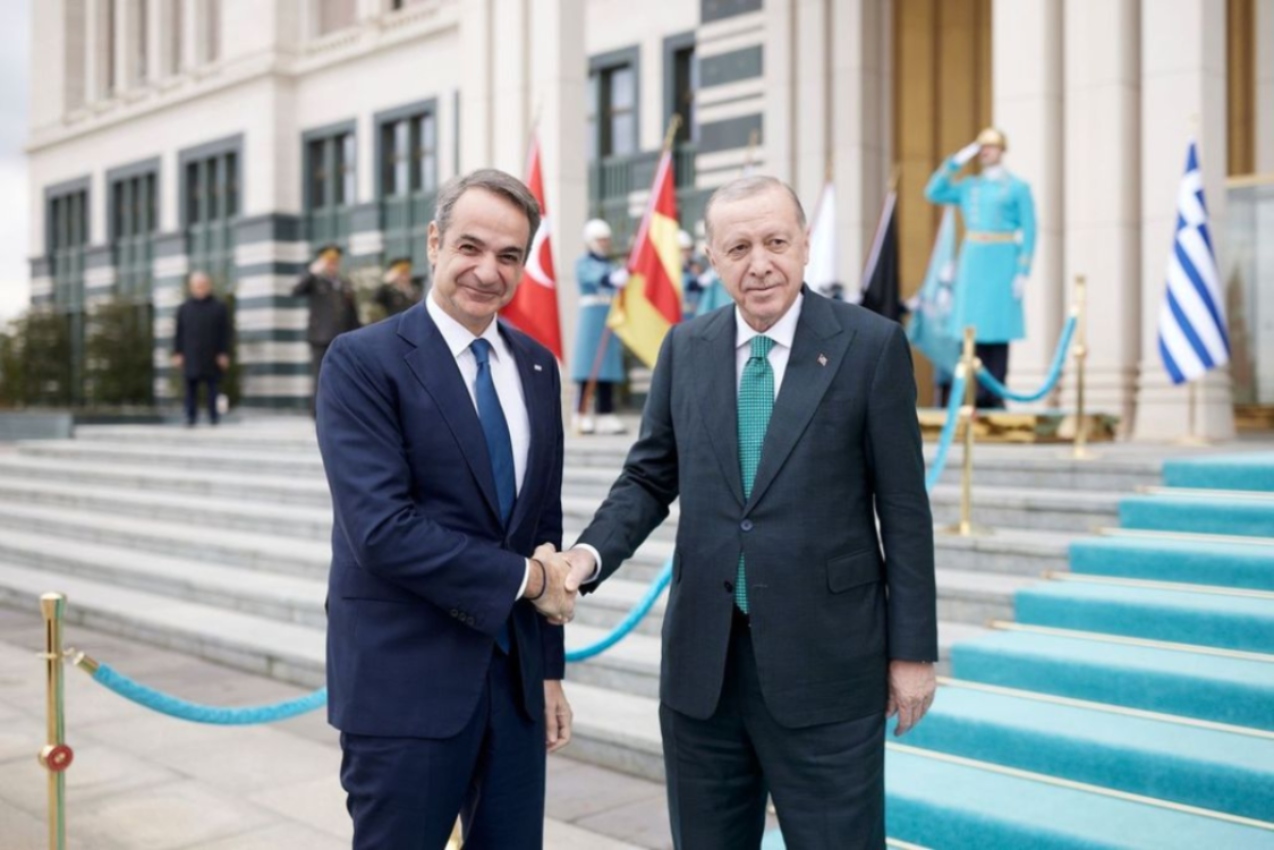
The move comes five days after a high-level meeting between the Greek Prime Minister and the Turkish President, highlighting Ankara’s persistence in its claims despite diplomatic efforts for de-escalation.
It is also part of a broader pattern of regional tensions, including the challenge to Greece’s energy agreements with international companies for hydrocarbons and the formation of strategic alliances in the Eastern Mediterranean.
STRATEGIC QUESTION FOR EUROPE & THE UN
This dispute is not just bilateral; it forms part of a wider institutional and legal framework testing how International Maritime Law is interpreted and applied by UN member states with conflicting regional strategies.
These developments are expected to affect Greece-Turkey relations, internal European balances, and the UN’s role in critical interstate disputes in the medium term.
Source: pagenews.gr