


Hormuz Strait “Closed”: Iran Escalates, Global Shipping on High Alert
Πηγή Φωτογραφίας: AP Photo//Hormuz Strait “Closed”: Iran Escalates, Global Shipping on High Alert



Maritime Security Alert in the Gulf Region
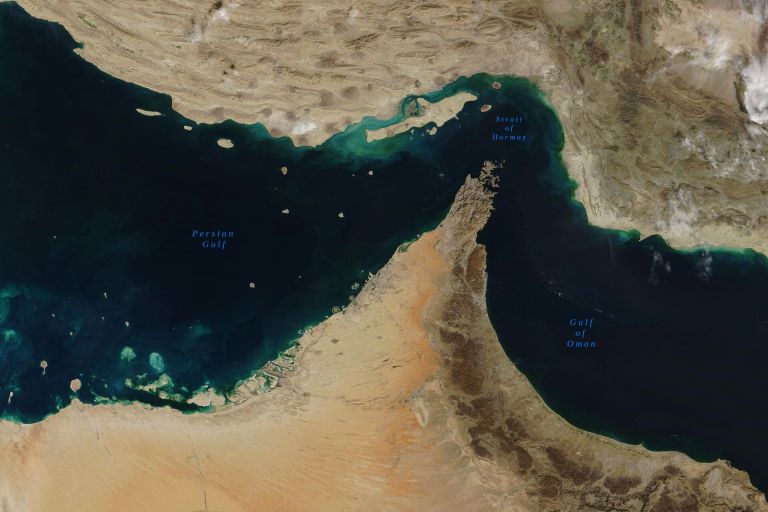
A sharp escalation in regional hostilities has pushed maritime security in the Gulf to a critical threshold. According to verified information relayed by the Hellenic Coast Guard, Iranian authorities have transmitted navigational warnings indicating that the Strait of Hormuz is considered closed until further notice.
The development carries enormous geopolitical weight. Roughly one-fifth of the world’s oil supply transits through this narrow chokepoint linking the Persian Gulf with the Gulf of Oman and the Arabian Sea.
IRGC Naval Activity Intensifies
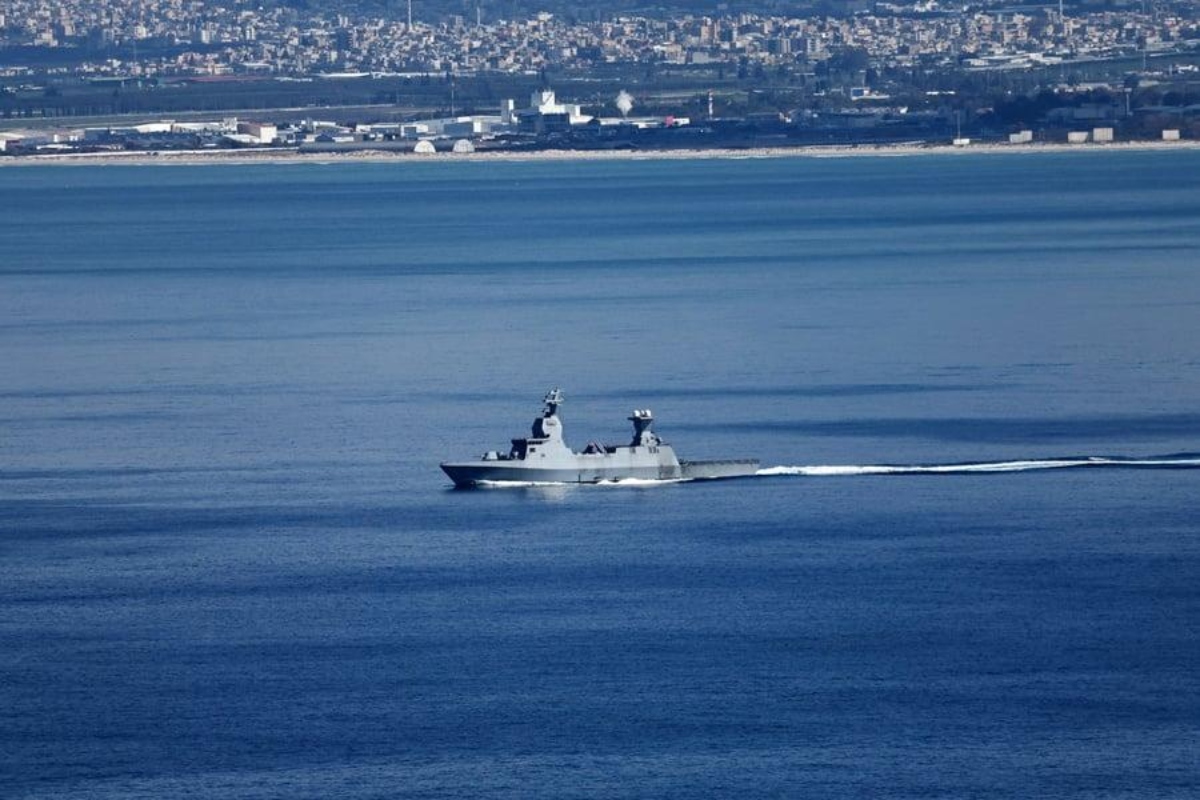
Sources indicate that the Islamic Revolutionary Guard Corps (IRGC), in coordination with the Iranian Navy, are broadcasting maritime advisories and monitoring traffic with fast military skiffs. The visible presence of patrol craft represents both a tactical maneuver and a strategic message.
Such measures have historically been employed during periods of confrontation between Iran and Western powers, particularly the United States and its regional allies.
Greek Shipping on Elevated Alert
The Ministry of Maritime Affairs and Insular Policy and the Hellenic Coast Guard’s Operations Center have issued updated advisories to the shipping community. Eleven Greek-owned vessels are reportedly operating within the broader Gulf area, prompting heightened vigilance and contingency routing considerations.
The Operations Room continues to monitor developments in real time to ensure maximum protection of Greek maritime interests.
Regional Ripple Effects
In parallel, the Ministry of Transport of Qatar has urged shipowners to temporarily suspend navigation in the wider area for safety reasons, reinforcing concerns that the crisis extends beyond bilateral tensions.
A prolonged disruption at Hormuz could:
- Spike global oil and LNG prices.
- Disrupt supply chains across Europe and Asia.
- Trigger naval escort missions by Western coalitions.
The Strait remains one of the most strategically sensitive waterways in the world, and any sustained closure would mark a profound shift from rhetoric to operational confrontation.
Strategic Analysis – What a Hormuz Disruption Means
The Energy Shock Scenario
The Strait of Hormuz handles approximately 17–20 million barrels of oil per day. Even a partial disruption could send Brent crude sharply higher, intensifying inflationary pressures in energy-importing economies. Asian markets — particularly China, Japan, South Korea, and India — would face immediate supply anxiety.
The Military Escalation Risk
A declared closure, even symbolic, raises the probability of:
- U.S. or allied naval deployments to ensure freedom of navigation.
- Maritime confrontations between IRGC fast-attack craft and Western fleets.
- Asymmetric tactics, including mine-laying or vessel seizures.
Historically, tensions in Hormuz have stopped short of full-scale naval war — but miscalculation risks are high.
The Diplomatic Chessboard
For Tehran, signaling closure serves as leverage amid broader military escalation. It demonstrates Iran’s capacity to affect global markets without direct interstate war. However, a prolonged shutdown would risk international isolation and potential multilateral military response.
For Western capitals, the priority remains deterrence without triggering uncontrollable escalation.
The Strait of Hormuz is more than a maritime corridor — it is a geopolitical pressure valve. Whether Iran’s warning amounts to a tactical signal or the beginning of sustained disruption will determine not only regional stability, but the trajectory of global energy markets in the weeks ahead.
Source: pagenews.gr
Διαβάστε όλες τις τελευταίες Ειδήσεις από την Ελλάδα και τον Κόσμο








Το σχόλιο σας