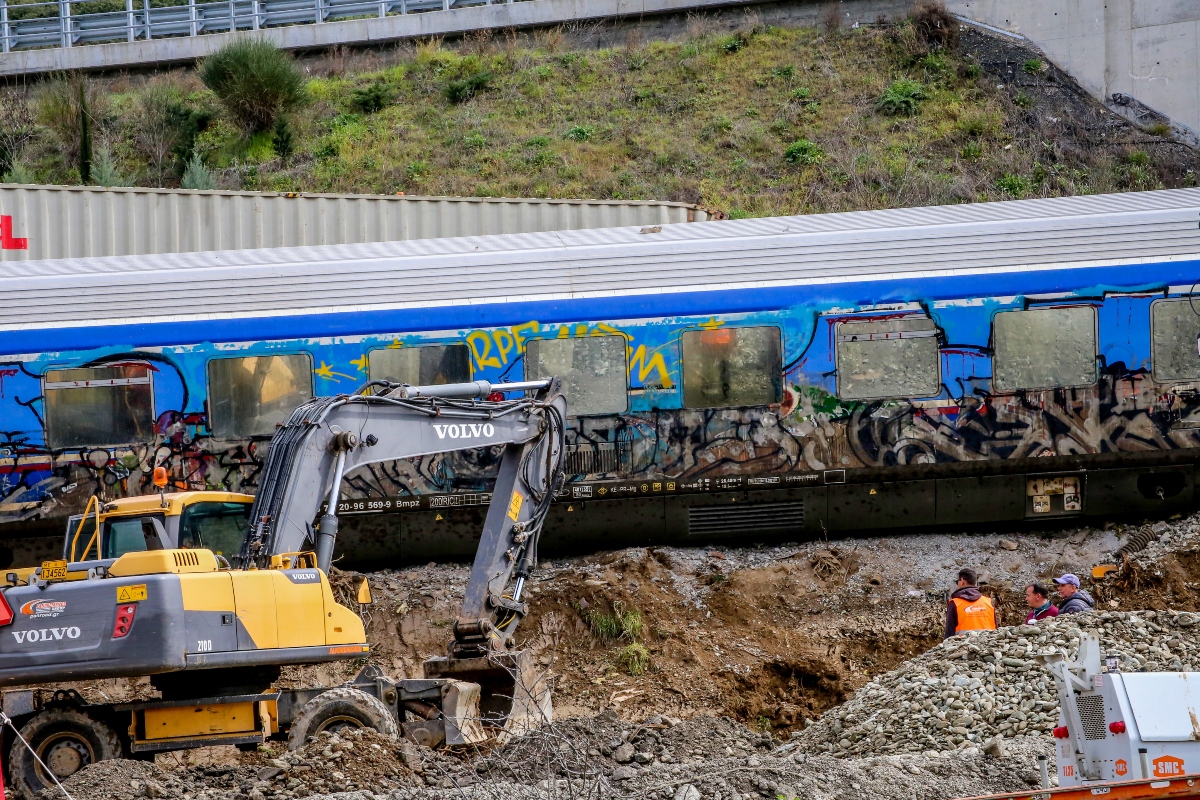
Three years after the devastating train collision at Tempi, Greece once again finds itself in the streets. On February 28, 2026, thousands of citizens gathered across the country to honor the 57 victims of the 2023 rail disaster and to demand full accountability, transparency and systemic reform in public transportation.
The tragedy, which occurred on February 28, 2023, when a passenger train collided head-on with a freight train, remains one of the darkest chapters in modern Greek history. For many, the anniversary is not only a day of remembrance — it is a renewed call for justice.
Nationwide Demonstrations and General Strike
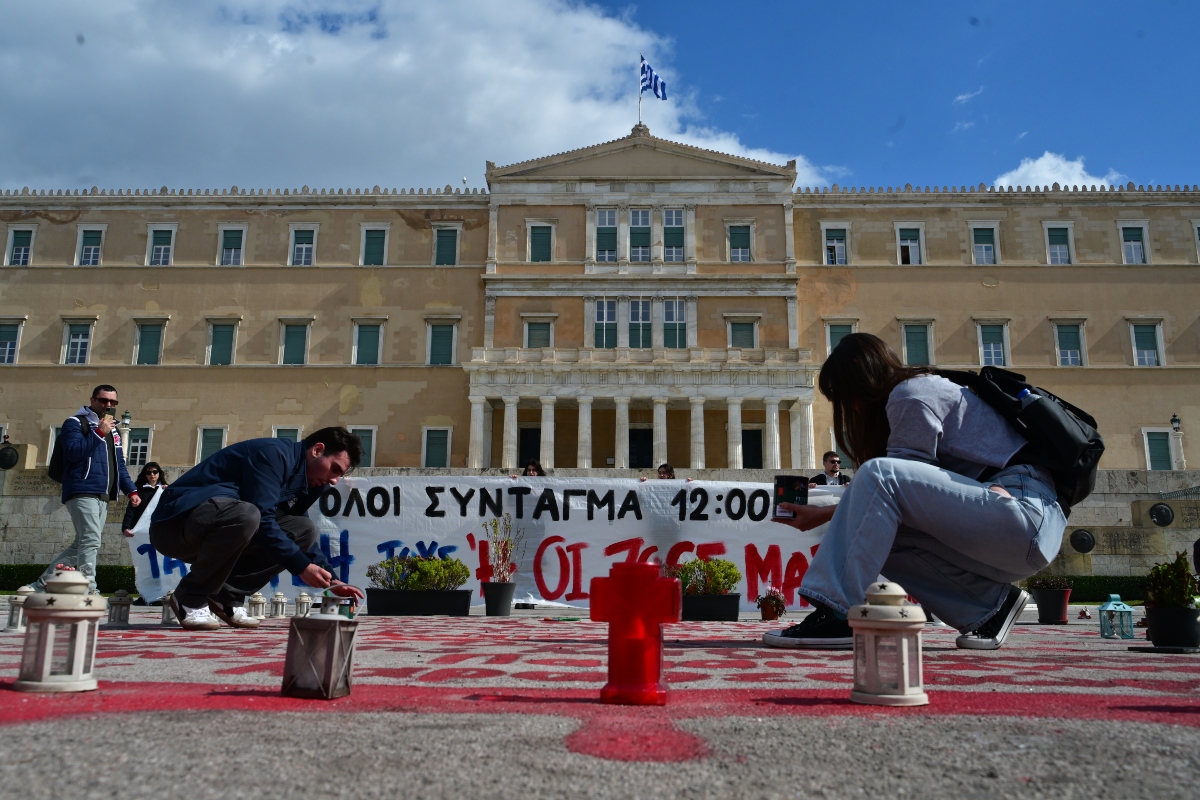
In Athens, the central rally took place at Syntagma Square at noon, drawing students, trade unions, families of the victims, and ordinary citizens. Similar gatherings were organized in Thessaloniki, Patras, Heraklion, Larissa and dozens of other cities. Greek communities abroad also held solidarity events.
Major labor unions declared a 24-hour general strike, significantly disrupting public transport, ferry services, and other public-sector operations. The mobilization reflected the enduring social impact of the tragedy and the widespread perception that accountability has been slow and incomplete.
Protesters carried banners reading “We Do Not Forget – We Do Not Forgive” and “No More Tempi”, underscoring their demand for structural reforms to ensure railway safety.


The Families’ Demands
Relatives of the victims have consistently called for:
- Full judicial accountability for all responsible parties, regardless of rank or political status.
- Transparency in the ongoing legal proceedings, with the main trial expected to begin soon.
- Comprehensive reforms in railway safety systems and oversight mechanisms.
Many families argue that systemic failures — including outdated signaling systems, understaffing, and institutional negligence — played a central role in the catastrophe.
A Nation Still in Mourning
Beyond the protests, memorial services and candlelight vigils were held throughout the country. Churches, universities, and civic groups organized commemorative events to honor the victims’ memory.
The anniversary has also reignited debate over infrastructure investment, state oversight, and political responsibility. Public trust in institutions remains fragile, with many Greeks expressing frustration over delays and perceived lack of political consequences.
The Broader Political Context
The Tempi disaster reshaped Greece’s political landscape in 2023 and continues to influence public discourse in 2026. It has become a symbol of broader concerns about state accountability, public safety, and governance standards.
Three years later, the message from the streets is clear: remembrance alone is not enough. Citizens are demanding tangible reform, systemic transparency, and justice that extends beyond symbolic gestures.
Source: pagenews.gr