In a stark indication of how escalating Middle East tensions are impacting global trade, ten Greek‑flagged oil tankers carrying a total of 85 Greek seafarers remain effectively stuck in the Persian Gulf, refusing to transit the strategic Strait of Hormuz due to security risks. The situation has prompted heightened vigilance by Greek maritime authorities and a flurry of diplomatic and operational monitoring.
Greek Shipping Caught in Geopolitical Crossfire
According to official information from the Greek Ministry of Maritime Affairs and Insular Policy, Greek‑flagged vessels are avoiding passage through the Strait, one of the world’s most pivotal chokepoints for energy and shipping, over fears of missile, drone, or military escalation associated with the broader Iran‑related crisis.
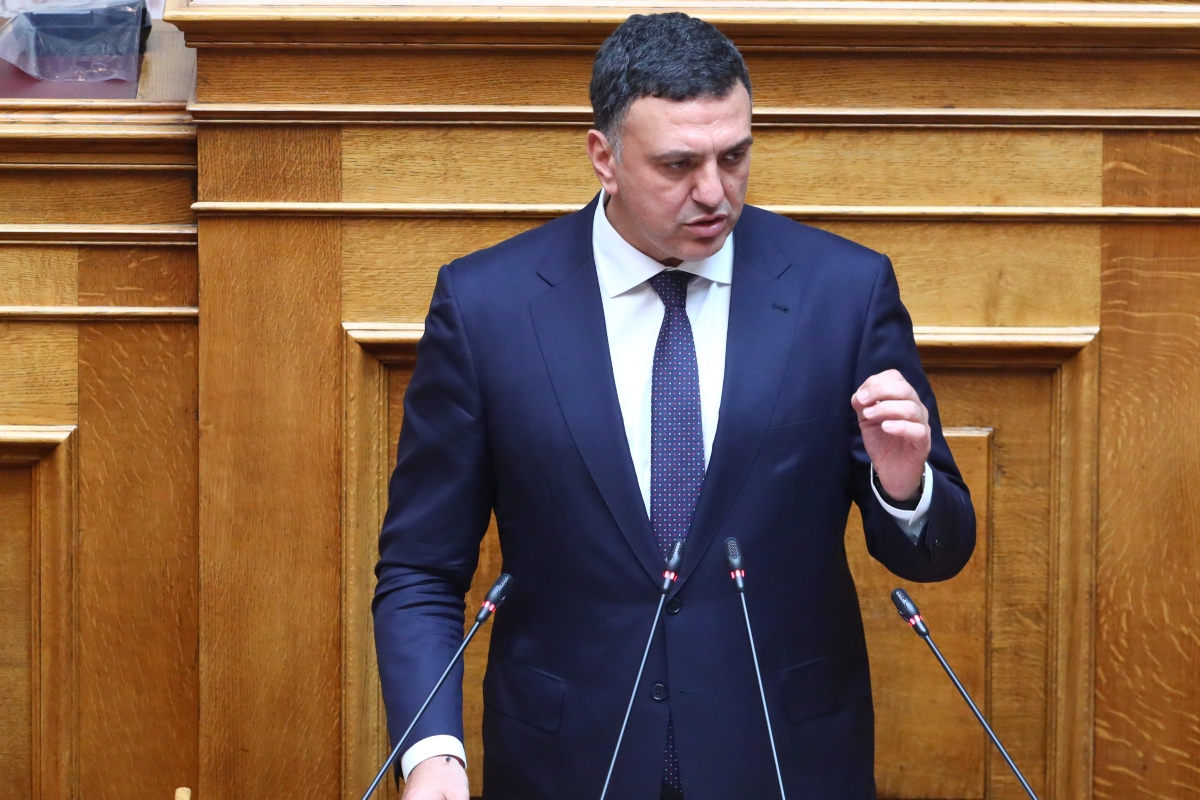
In a statement posted on the social media platform X, Maritime Minister Vassilis Kikilias stressed that the ministry’s Operations Centre is in continuous contact with shipowners and industry stakeholders, providing guidance and assessments in real time. “We are in heightened operational readiness and doing everything necessary to safeguard Greek shipping and our seafarers,” he wrote.


Strait of Hormuz: Strategic Chokepoint, Flashpoint Risk
The perilous status of Greek‑flagged tankers underscores how the Persian Gulf and Strait of Hormuz have become focal points of uncertainty. Data from maritime tracking platforms reveal a massive buildup of commercial traffic in the region, with hundreds of vessels lingering nearby as shipping companies increasingly opt to avoid risky passage.
This bottleneck comes against the backdrop of rising tensions following strikes on Iran by Western and allied forces — a conflict that has led authorities worldwide, including Greece’s shipping ministry, to advise vessels to exercise maximum vigilance or reroute to safer corridors such as the Gulf of Oman.
Maritime Safety and Economic Implications
While no major incidents involving the stranded Greek tankers have been reported, the broader shipping community is on edge. Companies and insurers are reassessing risk exposure, and even non‑Greek‑flagged vessels have reported attacks or harassment in nearby waters. For instance, a Greek‑owned tanker was among several reported to have been struck near the Strait of Hormuz, though no serious casualties were reported.
The situation highlights the geopolitical vulnerability of global supply chains: roughly one‑fifth of the world’s oil supply flows through the Strait of Hormuz, and any prolonged disruption could ripple through energy markets and escalate broader economic strain.
Athens on High Alert
Greece’s maritime authorities are not only monitoring vessel movements but have also placed the entire shipping community on alert, coordinating closely with international partners and maritime security forums. The Greek government’s stance is one of pragmatic caution, balancing the imperative to protect national shipping interests with the recognition that the region’s strategic importance makes it a potential hotspot for wider conflict.
Regional and Global Context
The Greek tanker situation should be seen in the context of broader diplomatic and security pressures in the Middle East. As nations grapple with shifting alliances and localized confrontations, maritime routes that serve as lifelines for global trade are increasingly becoming strategic leverage points in geopolitical calculations
Source: pagenews.gr