


Gas Crisis Hits Europe: Revythousa at 78.7%, EU Below 30% – Geopolitical Shockwaves
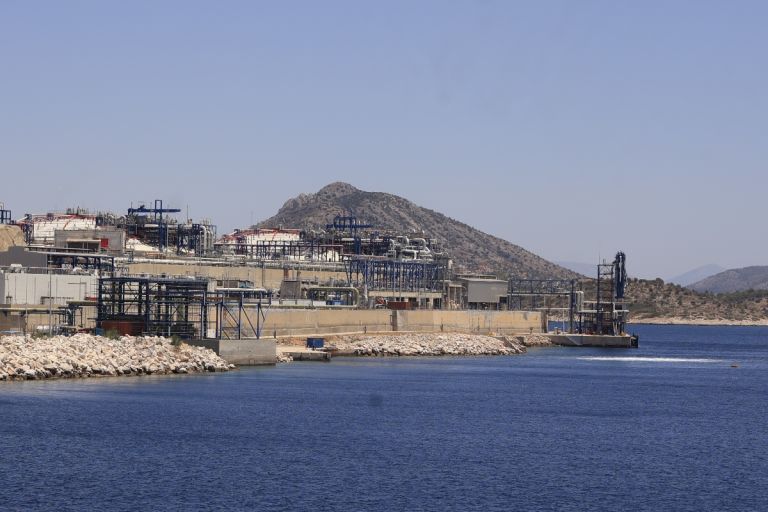
Πηγή Φωτογραφίας: (ΓΙΩΡΓΟΣ ΚΟΝΤΑΡΙΝΗΣ/EUROKINISSI)//Gas Crisis Hits Europe: Revythousa at 78.7%, EU Below 30% – Geopolitical Shockwaves



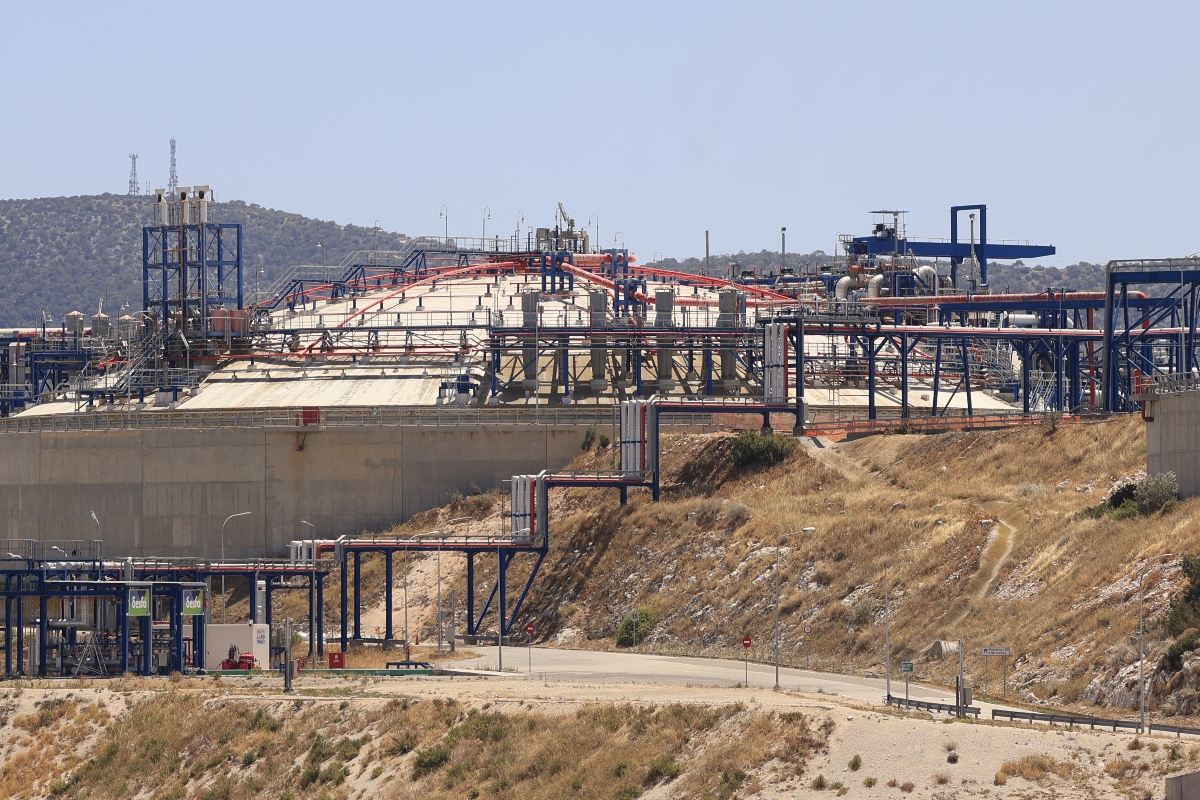
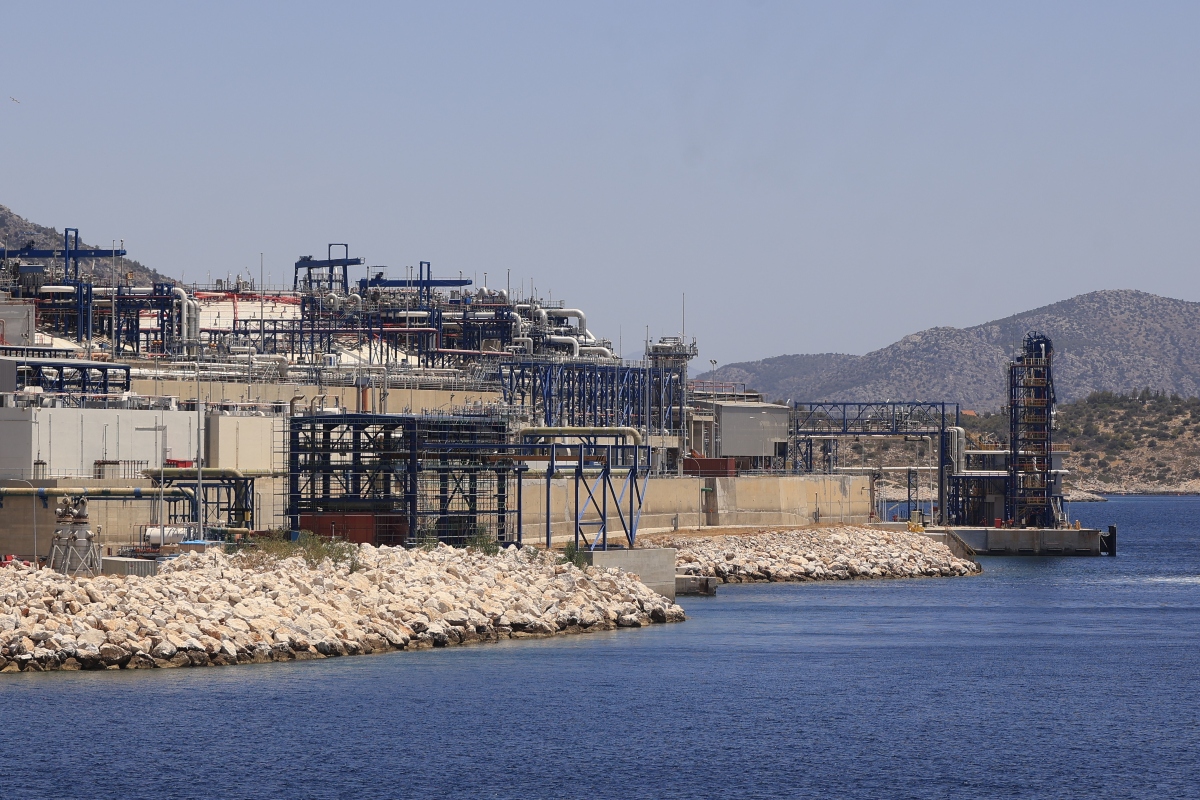
Europe’s energy landscape is in crisis as natural gas reserves fall below 30%, while in Greece,Revythousa terminal’s storage surged to 78.7% due to increased LNG shipments — a stark contrast highlighting regional differences in energy security.
Alarm as European Gas Storage Dips Below 30%
European underground gas storage is at critically low levels, raising alarms over supply security and market stability.
Simultaneously, European gas prices surged ~30% in a single day, driven by ongoing Middle East conflicts and disruptions along key shipping routes, particularly the Strait of Hormuz.
Geopolitical Shock: Middle East & Strait of Hormuz
The geopolitical crisis in the Middle East is intensifying Europe’s energy vulnerability:
- LNG shipments through the Strait of Hormuz face significant delays and losses, reducing global supply and driving international competition.
- Key exporters like Qatar have curtailed LNG exports due to attacks on production facilities, further tightening global availability.
These developments heighten energy risk and emphasize the value of diversified supply chains.
EU Strategy: From Dependence to Energy Independence
The EU is committed to reducing reliance on Russian gas and diversifying sources:
- Increased imports from the U.S. and Norway
- Accelerated investment in clean and renewable energy
- Gradual elimination of short-term and long-term Russian LNG and pipeline contracts by 2028 While crucial for geopolitical autonomy, this transition also challenges short-term price stability and supply security.
Prices & Market Impact
European gas prices have spiked sharply due to supply fears:
- TTF contracts jumped ~30%, reaching around €66/MWh, reflecting rapid market reactions.
- Rising prices and market volatility directly impact energy costs and inflation across households and businesses.
Energy Instability & Geopolitical Costs
Europe faces a complex energy environment where:
- Gas reserves are critically low,
- Geopolitical tensions in the Middle East and LNG transport routes strain supply,
- Prices are surging, affecting economies broadly.
Diversified, reliable, and sustainable energy sources are now more critical than ever — not only to navigate the current crisis but also to ensure long-term energy security and stability.
Source: pagenews.gr
Διαβάστε όλες τις τελευταίες Ειδήσεις από την Ελλάδα και τον Κόσμο





Το σχόλιο σας