


Chevron Deal Shakes the Energy Map: Greece Flexes Geopolitical Muscle in the Eastern Mediterranean
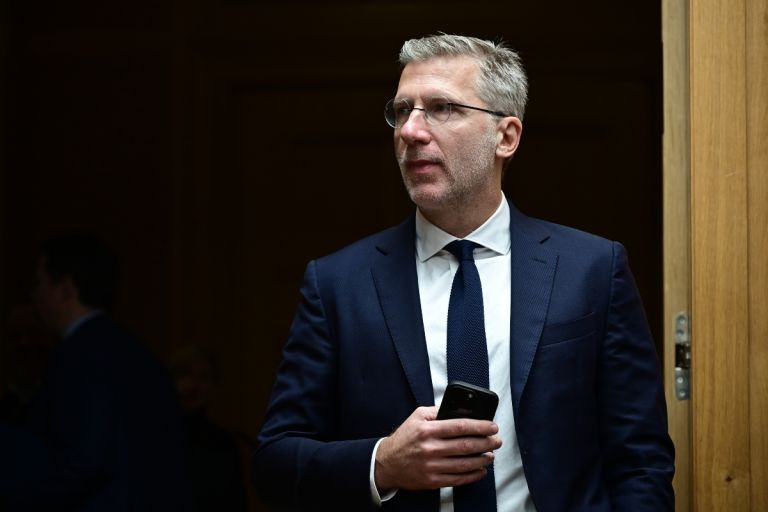
Πηγή Φωτογραφίας: eurokinissi//Chevron Deal Shakes the Energy Map: Greece Flexes Geopolitical Muscle in the Eastern Mediterranean



Greece’s latest energy agreement with Chevron is rapidly turning into one of the most consequential geopolitical and economic developments for the country in years.
According to Akis Skertsos, Minister of State in the government of Kyriakos Mitsotakis, the partnership strengthens Greece’s position both geopolitically and energetically, signaling a new phase in the country’s strategy to become a major energy hub in the Eastern Mediterranean.
The deal concerns hydrocarbon exploration in offshore areas south of Crete, a region long believed by geologists to hold significant natural gas reserves.
Greece’s High-Stakes Energy Bet
The Greek Parliament recently approved agreements involving Chevron and Helleniq Energy for exploration and potential exploitation of hydrocarbons in offshore blocks south of Crete and parts of the Peloponnese.
For the government, the move represents a strategic investment in energy security, particularly after the energy shock triggered by the war in Ukraine and the broader shift in European energy supply chains.
Officials argue that if commercially viable reserves are discovered:
- Greece could significantly strengthen its energy independence
- The country could emerge as a key supplier for European markets
- State revenues from exploitation could reach roughly 38–41% of profits
In short, Athens is betting big on the possibility that the seabed south of Crete may hold the next strategic gas basin of the Mediterranean.
Political Battle Lines
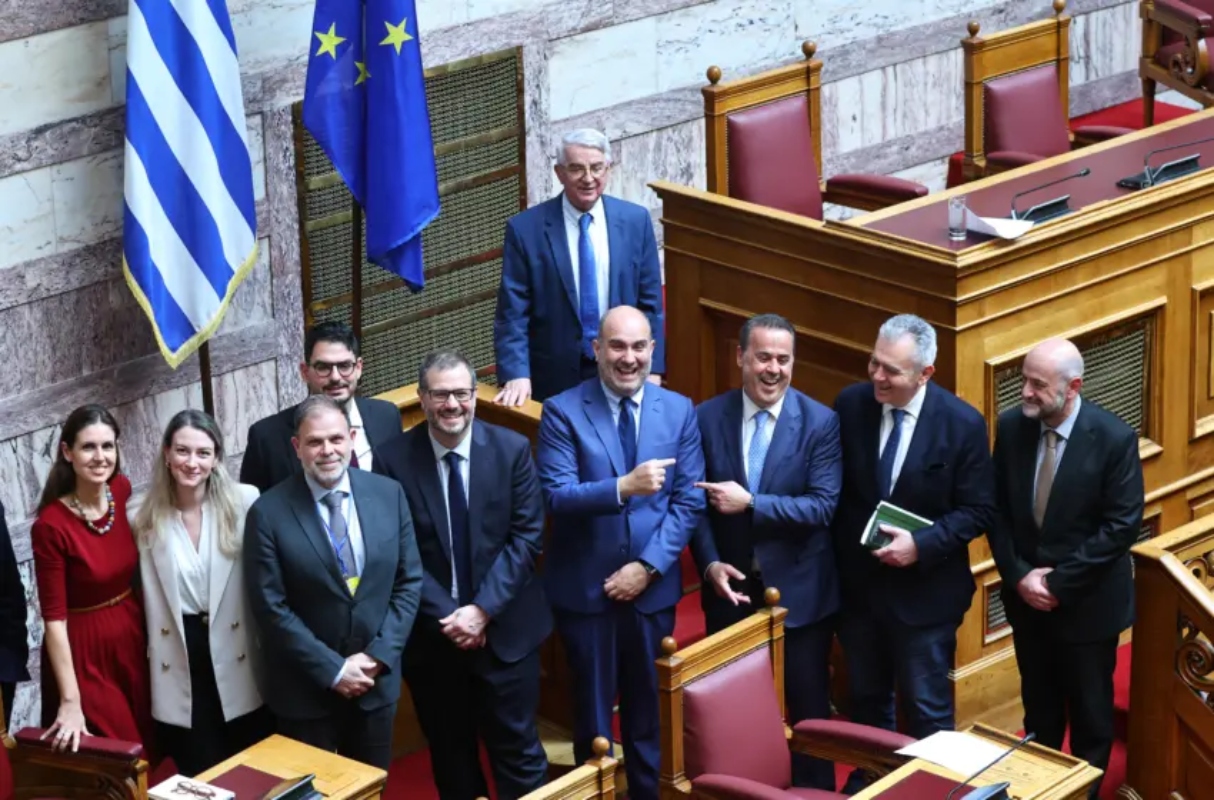
The agreement passed Parliament with the support of the ruling New Democracy and the opposition PASOK – Movement for Change, while several other parties voted against it or abstained.
Skertsos used the debate to launch a sharp political critique against the opposition, arguing that calls for a “progressive alliance” ring hollow when parties cannot agree on issues of national strategy, sovereignty, and energy security.
“History is written by those who take clear positions, not by those who stand aside,” government officials insisted during the parliamentary debate.
Behind the formal agreements lies a much broader strategic calculation.
By bringing a global energy giant such as Chevron into exploration projects, Athens is sending a strong signal to international markets and geopolitical partners.
Political analysts point out that the government is building a wider energy architecture that connects:
- American investment and strategic interest
- European energy diversification away from Russian gas
- The evolving power balance in the Eastern Mediterranean
In diplomatic circles, the message is clear: Greece wants to position itself not just as a transit corridor, but as an actual energy producer.
The Political “Backstage” Story
Yet the deal also has a strong domestic political dimension.
Within Greece’s political arena, energy policy is gradually becoming a new battleground between government and opposition, with environmental concerns, economic expectations, and geopolitical risks colliding.
Government insiders frame the deal as proof of strategic leadership, while critics warn of:
- environmental risks in sensitive marine ecosystems
- uncertain commercial viability of the deposits
- and the possibility that energy politics could escalate regional tensions.
Still, in the corridors of Parliament, one phrase is quietly repeated by seasoned diplomats:
“Energy is never just about resources — it is about power, alliances, and influence.”
Source: pagenews.gr
Διαβάστε όλες τις τελευταίες Ειδήσεις από την Ελλάδα και τον Κόσμο








Το σχόλιο σας