


“Our Environment Is Greece’s Wealth,” Says Hatzidakis at Greece Talks Summit
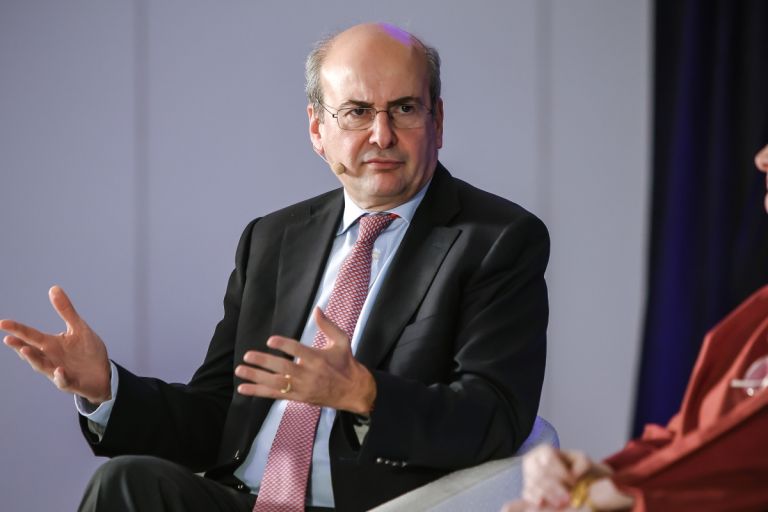
Πηγή Φωτογραφίας: ΣΥΝΕΔΡΙΟ "GREECE TALKS, CRETE FORWARD. EXPERIENCE, CULTURE AND CONNECTION" ΣΤΟ ΗΡΑΚΛΕΙΟ ΚΡΗΤΗΣ (ΣΤΕΦΑΝΟΣ ΡΑΠΑΝΗΣ/EUROKINISSI)



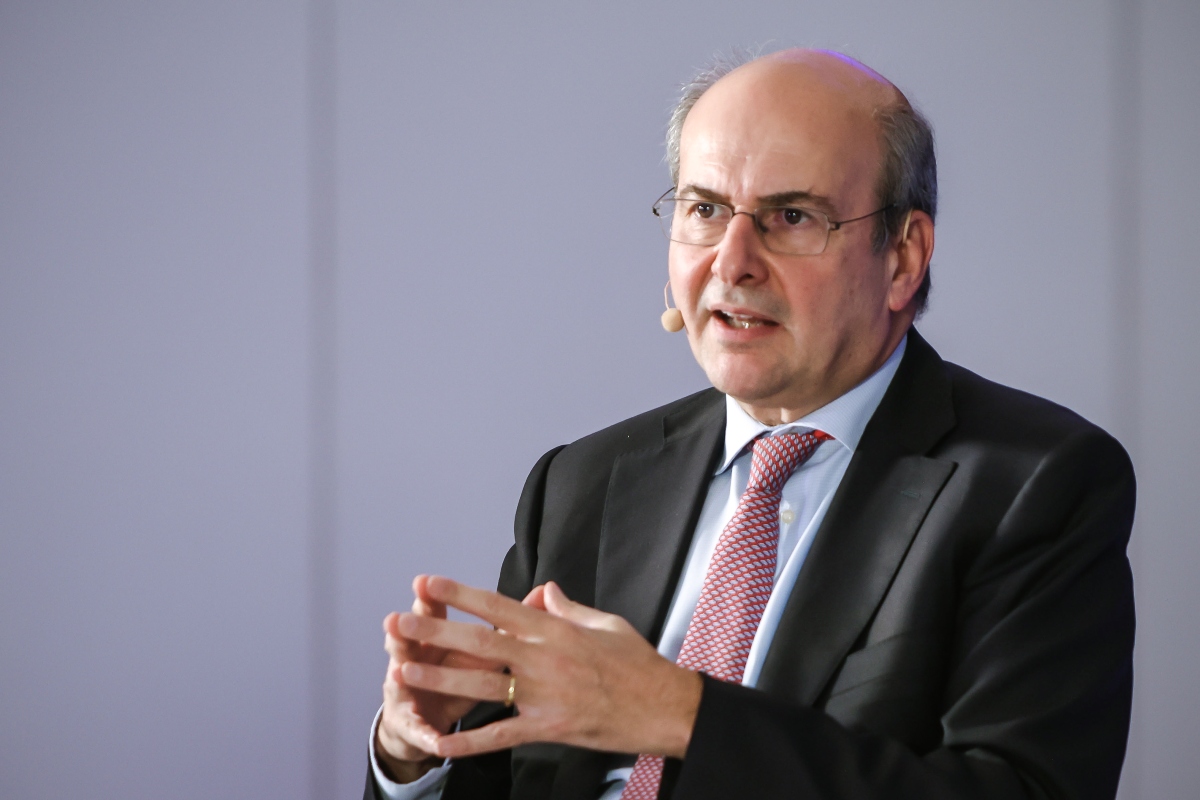
In a high‑profile speech at the Greece Talks – Crete Forward: Experience, Culture & Connectionconference organized by Travel.gr, Greece’s Deputy Prime Minister Kostis Hatzidakis delivered a robust defense of environmental protection as a cornerstone of the country’s economic strategy.
Speaking to an audience of business leaders, tourism officials and civil society representatives, Hatzidakis stressed that environmental preservation is not merely an ecological concern but a strategic economic asset for Greece’s future prosperity.
“If we build everything, our property will have no value — the environment is the wealth of Greece,” Hatzidakis declared, emphasizing that economic development must be grounded in environmental stewardship and long‑term sustainability.
Tourism, Nature and Economic Sustainability
Hatzidakis cited recent tourism statistics showing record levels of visitors and revenue in 2025, noting that Greece’s natural landscapes and cultural heritage sites are a fundamental part of the country’s appeal to travelers.
He argued that maintaining the health of ecosystems — from coastal beaches to mountainous forests — is essential not just for tourism, but for the long‑term viability of Greece’s economic model.
According to the Deputy Prime Minister:
- Protecting natural environments enhances the quality of tourism experiences
- It supports local economies in rural and island regions
- It strengthens Greece’s brand as a premium, sustainable destination
Hatzidakis cautioned that economic growth which sacrifices environmental quality ultimately undermines its own foundation — a message aimed at both public policy makers and private investors.
Environment as Strategic Capital
The speech underscored an evolving approach within Greek governance: viewing the environment not as a cost center, but as a strategic capital asset that contributes to long‑term national wealth.
“Environmental protection is not a luxury — it’s essential for economic resilience and competitiveness,” Hatzidakis said. He argued that Greece’s natural capital — including its biodiversity, coastline, and cultural landscapes — positions the country to harness sustainable development pathways that align with global trends toward responsible tourism, renewable energy, and climate resilience.
Policy Priorities and Frameworks
In outlining a broad policy framework, Hatzidakis identified several key priorities:
- Sustainable tourism infrastructure: Regulating development to protect sensitive natural areas while enhancing tourism capacity.
- Green infrastructure investment: Supporting renewable energy, energy efficiency and environmentally constructive building practices.
- Preservation of natural and cultural heritage: Strengthening protections for national parks, forests and archaeological sites.
- Education and public engagement: Promoting broader societal awareness about environmental stewardship.
These objectives reflect a broader European and global shift toward integrating environmental concerns into mainstream economic planning.
Environment and Economic Resilience
Hatzidakis also linked environmental policy to economic resilience more broadly. By focusing on clean energy and low‑impact development, Greece — he said — can reduce vulnerabilities to commodity price shocks, volatile energy markets, and climate‑related risks.
This perspective aligns with ongoing EU policy direction, which increasingly frames climate mitigation efforts not only as ecological imperatives but as long‑term economic security strategies.
Analysts say this dual focus — on nature protection and economic competitiveness — positions Greece to benefit from international investment in green technologies and sustainable tourism infrastructure.
Message to Citizens and Markets
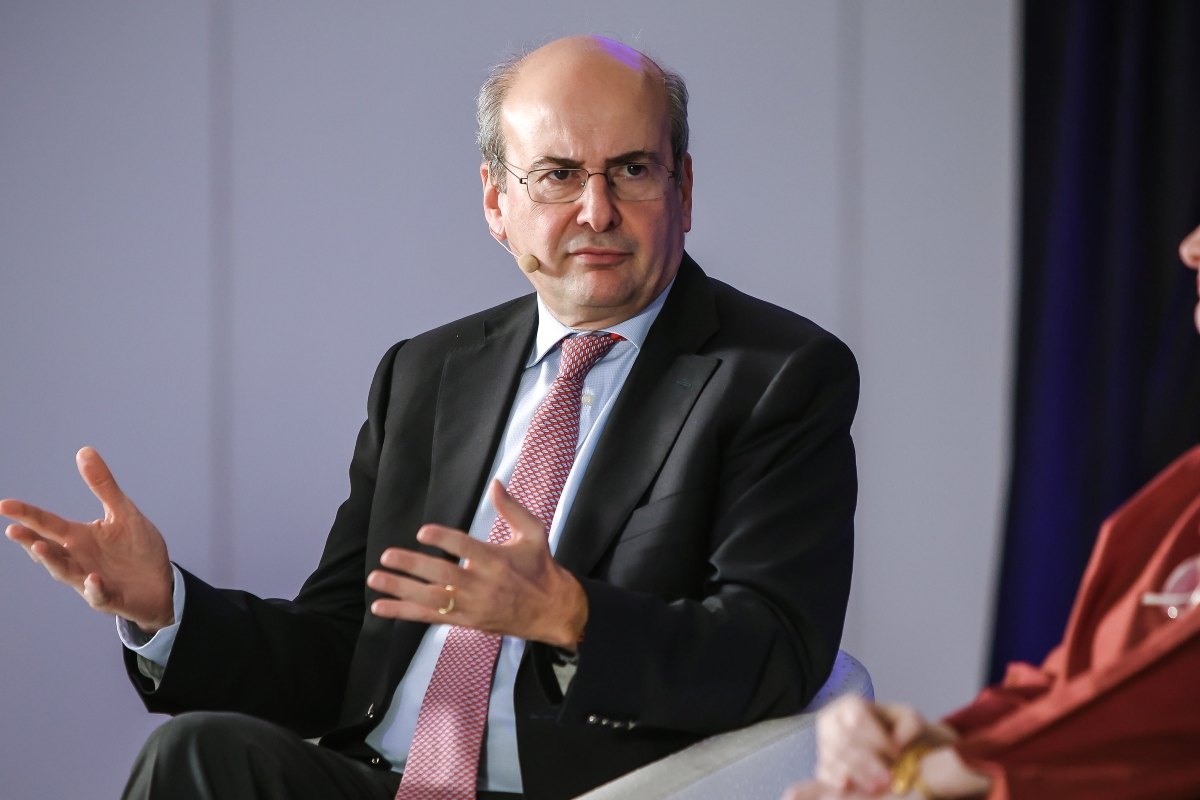
Hatzidakis’ address was not only a call to policymakers, but also to Greek society at large, including businesses and local communities:
- Environmental preservation should be understood as investment in national prosperity.
- Natural and cultural capital are central to Greece’s international market strength.
- Long‑term planning and stewardship are critical to maintaining quality of life and economic opportunity.
“The environment,” Hatzidakis emphasized, “is not separate from growth — it is integral to it.”
A Strategic Reframing
By placing environmental protection at the heart of economic thinking, Greece’s leadership is linking sustainable development, tourism, competitiveness and quality of life into a unified strategic vision.
This reframing, increasingly common in EU discourse, signals a shift toward holistic policy frameworks in which nature conservation and economic policy are mutually reinforcing rather than opposing forces.
Source: pagenews.gr
Διαβάστε όλες τις τελευταίες Ειδήσεις από την Ελλάδα και τον Κόσμο




Το σχόλιο σας