


Ballots in PASOK: Androulakis dominant, Doukas rises as power blocs battle before the congress
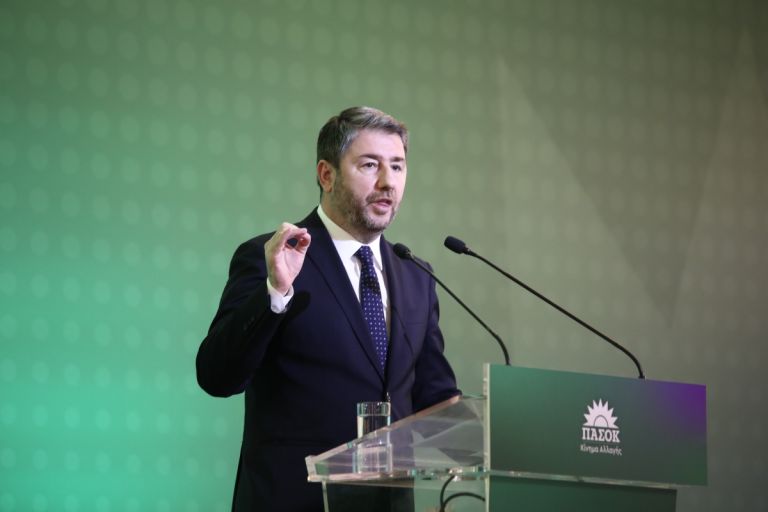
Πηγή Φωτογραφίας: eurokinissi//Ballots in PASOK: Androulakis dominant, Doukas rises as power blocs battle before the congress



The internal electoral process for choosing delegates in PASOK – Movement for Change has entered its decisive phase, as ballot boxes are set up across Greece today, Sunday, March 15, to elect representatives who will participate in the party’s congress scheduled for March 27–29, 2026.
Voting is taking place from 7:00 a.m. to 7:00 p.m. in hundreds of polling stations nationwide, with approximately 4,000 delegates expected to be elected. The process is conducted through a single-vote system, meaning each party member can select only one candidate in their region.
While the procedure is formally organizational, the real political interest lies in the balance of power that will emerge inside the party ahead of the upcoming congress.
Androulakis leads, but Doukas consolidates a second pole
Traditionally in internal party elections, the president’s faction maintains the upper hand. In this case, the camp of party leader Nikos Androulakis is widely expected to retain the largest influence among the delegates.
However, growing attention is focused on the political momentum surrounding the mayor of Athens, Haris Doukas.
According to internal estimates circulating within the party, Doukas could secure more than 700 delegates nationwide. If confirmed, this would establish him as the second-strongest force inside PASOK.
Such a result would signal that the Athens mayor has built a distinct political pole within the party, suggesting his influence goes beyond temporary alliances and reflects a broader internal dynamic.
“The delegate elections are effectively a referendum on internal power,” party insiders say.

The Charilaou Trikoupis strategy
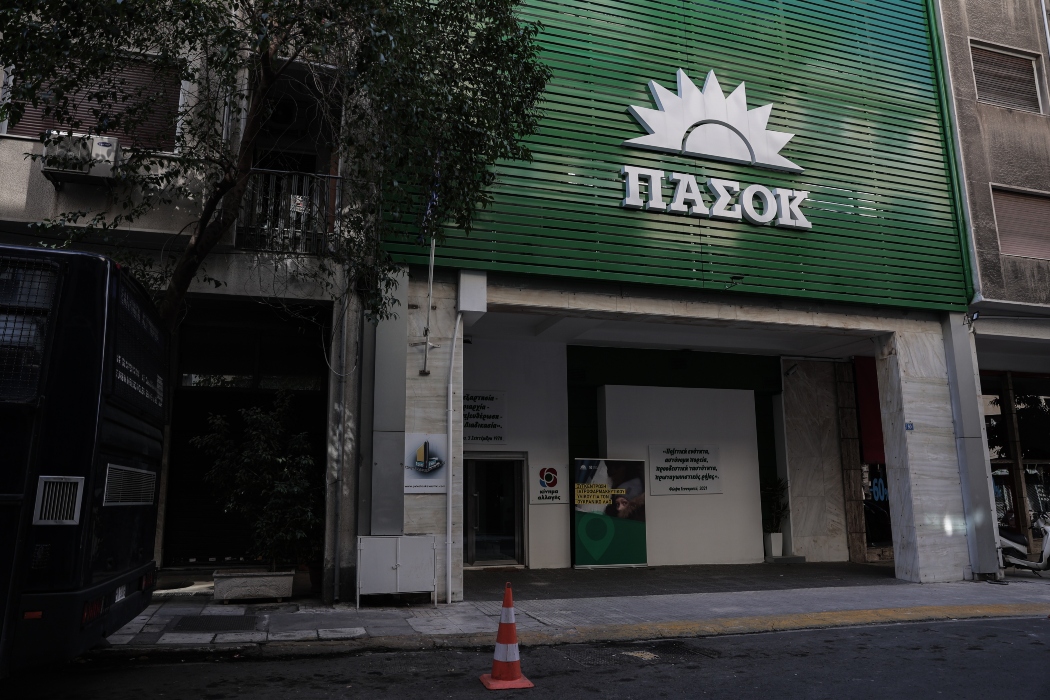
Behind the scenes, the leadership headquarters on Charilaou Trikoupis Street is carefully monitoring the strength of various internal blocs.
Party sources indicate that the leadership would not oppose a stronger showing by MP Manolis Christodoulakis, who still retains organizational networks from the bloc that supported Doukas during earlier internal contests.
A stronger Christodoulakis presence could serve as a balancing factor in the party’s internal field, particularly as observers point to an informal understanding between him and the presidential camp.
According to party officials:
“There appears to be a tacit exchange of influence between Androulakis and Christodoulakis aimed at limiting Doukas’ growing impact.”
The emerging opposition bloc
On the opposite side, a broader internal front appears to be forming around figures such as:
- Pavlos Geroulanos
- Michalis Katrinis
- George Papandreou
While not formally unified, this alignment reflects a tendency within PASOK that has expressed criticism of the leadership’s strategic choices.
One notable moment of convergence came during the controversy surrounding the removal of MP Odysseas Konstantinopoulos, which triggered reactions from several internal factions.
The battle for third place
Another key development to watch is the contest for third and fourth place in the internal hierarchy.
Early estimates suggest that Manolis Christodoulakis and Pavlos Geroulanos are operating at similar levels of influence, a situation that could lead to a multi-polar internal landscape following the congress.
Such a scenario would leave PASOK with three or even four identifiable political blocs, shaping future internal negotiations and strategic decisions.
A congress that will define PASOK’s next phase
The party congress later this month will be far more than a routine internal gathering.
It is expected to determine:
- PASOK’s political strategy against the government,
- its organizational restructuring,
- and most importantly, the real balance of power inside the party.
As veteran party figures often remark:
“Delegate ballots always reveal who truly controls the party—and who is positioning themselves for its future.”
For that reason, today’s voting is widely seen as the most significant internal test before PASOK’s upcoming congress.
Source: pagenews.gr
Διαβάστε όλες τις τελευταίες Ειδήσεις από την Ελλάδα και τον Κόσμο







Το σχόλιο σας