


Nuclear Turn in Greece? Mitsotakis Opens Debate on Small Reactors

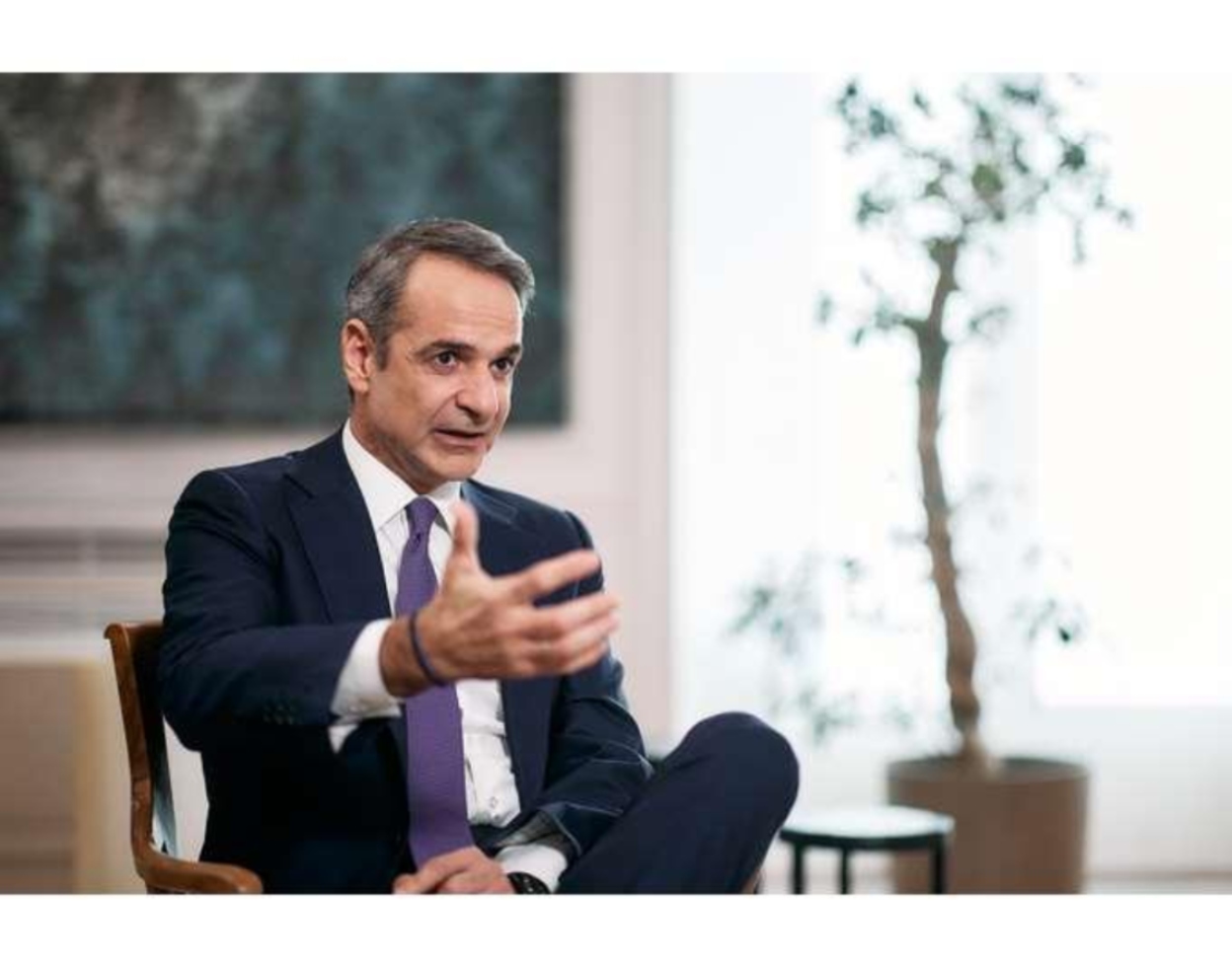
Πηγή Φωτογραφίας: eurokinissi//Nuclear Turn in Greece? Mitsotakis Opens Debate on Small Reactors



A new energy debate in Greece
A new discussion about the future of Greece’s energy policy has been launched by Prime Minister Kyriakos Mitsotakis, who raised the possibility of examining the use of small modular nuclear reactors (SMRs).
His remarks signal a significant shift in the public conversation about energy in Greece, at a time when Europe is searching for ways to strengthen energy independence and reduce reliance on imported fuels.
“Greece must seriously examine whether small modular reactors could have a role in its energy mix,” the prime minister said.
The statement comes amid growing geopolitical uncertainty and volatility in global energy markets, which has pushed many governments to reconsider long-term energy strategies.
Nuclear energy and the European debate
The discussion around nuclear power is gaining momentum across Europe. Mitsotakis referred to a recent summit in Paris convened by Emmanuel Macron, where the role of nuclear power in the future of the European Union energy transition was discussed.
“Europe cannot achieve strategic autonomy, economic competitiveness and decarbonisation without discussing the role of nuclear energy,” he noted.
France, for instance, relies heavily on nuclear power, which helps maintain relatively lower electricity prices and shields its economy from external energy shocks.
The SMR technology
Small modular reactors represent a new generation of nuclear technology designed to be safer, more flexible and less capital-intensive than traditional nuclear plants.
Key characteristics include:
- modular construction
- smaller capacity and footprint
- enhanced passive safety systems.
Several countries are already exploring SMR development, including the United States, Canada and the United Kingdom.
Mitsotakis clarified that Greece is not considering conventional large-scale nuclear reactors, but rather studying the feasibility of SMRs.
To that end, the government plans to establish a high-level ministerial committee that will evaluate the technological, economic and environmental implications of such a project.
Renewables remain the backbone
Despite the nuclear discussion, the government insists that renewable energy remains the core pillar of Greece’s energy transition.
According to the prime minister, renewables now account for more than 50% of the country’s electricity generation, significantly lowering energy costs compared with neighboring markets.
Greece is also investing in:
- energy storage
- grid modernization
- natural gas as a transitional fuel.
Geopolitical energy investments
Mitsotakis also highlighted the strategic importance of new hydrocarbon exploration agreements ratified by parliament between the U.S. energy giant Chevron and Greece’s HELLENiQ Energy.
These deals are viewed as critical not only economically but also geopolitically, strengthening Greece’s position as an emerging energy hub in the Eastern Mediterranean.
The involvement of major international companies enhances Greece’s strategic weight in the region’s evolving energy landscape.
The Mesochora hydropower project
Another key element of the government’s energy and water strategy is the Mesochora Hydroelectric Dam.
The project is linked to the long-debated management of the waters of the Acheloos River and is considered crucial for addressing water shortages in Thessaly.
The region has faced severe climate pressure and water scarcity in recent years, affecting agricultural production.
According to the government, a carefully managed water transfer plan, combined with the hydropower infrastructure, could significantly improve water availability and support the region’s farming sector.

Energy policy in a volatile world
Energy choices are increasingly shaped by global developments.
The geopolitical tensions in the Middle East and the resulting volatility in energy prices have had direct consequences for European economies.
In response, the Greek government has introduced measures aimed at protecting consumers, including temporary profit-margin caps on fuel and key consumer goods.
“The state must intervene so that international crises do not translate into unjustified burdens for citizens,” Mitsotakis stressed.
The political dimension of the energy transition
Behind the technical debate lies a broader political reality.
Energy security, geopolitical influence and economic competitiveness are now deeply intertwined with national energy strategies.
Greece is trying to balance three key priorities:
- green transition
- energy security
- geopolitical stability.
The discussion around small modular reactors does not necessarily mean that nuclear energy will soon become part of Greece’s energy mix. However, it signals that the country’s energy policy is entering a new phase of strategic reassessment, where all technological options are being considered.
Source: pagenews.gr
Διαβάστε όλες τις τελευταίες Ειδήσεις από την Ελλάδα και τον Κόσμο








Το σχόλιο σας