The government’s central narrative
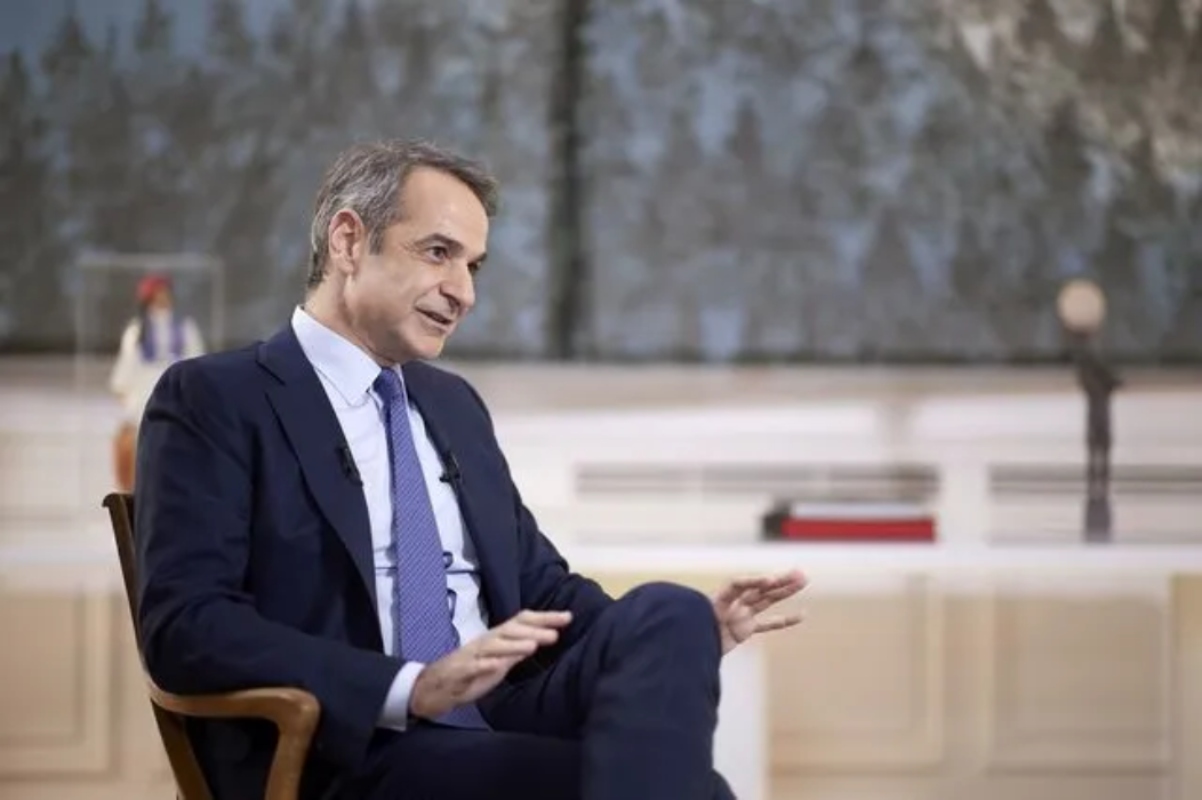
Amid growing international tensions and conflicts in the wider region, Prime Minister Kyriakos Mitsotakis has attempted to shape a clear political message ahead of Greece’s next electoral cycle.
Speaking within the framework of events organized by New Democracy, he introduced what many in the governing camp now describe as the core campaign formula:
“A strong economy – a strong Greece – a strong New Democracy.”
According to government sources, the phrase is more than a slogan. It is intended to function as the central narrative of the government’s political strategy, linking economic growth directly to national stability and political continuity.
Economy as the main political weapon
For the government, economic performance remains the primary field of political confrontation.
Officials close to the Prime Minister argue that:
- fiscal stability has restored Greece’s credibility in international markets,
- economic growth provides the resources needed for defense and infrastructure,
- and investment inflows strengthen the country’s geopolitical position.
In this narrative, economic strength becomes synonymous with national power, reinforcing the government’s claim that stability should remain the electorate’s priority.
The message is simple but carefully crafted: economic stability equals political stability.

A parallel debate: “defensive inertia”
Yet the political environment surrounding this narrative is far from uncontested.
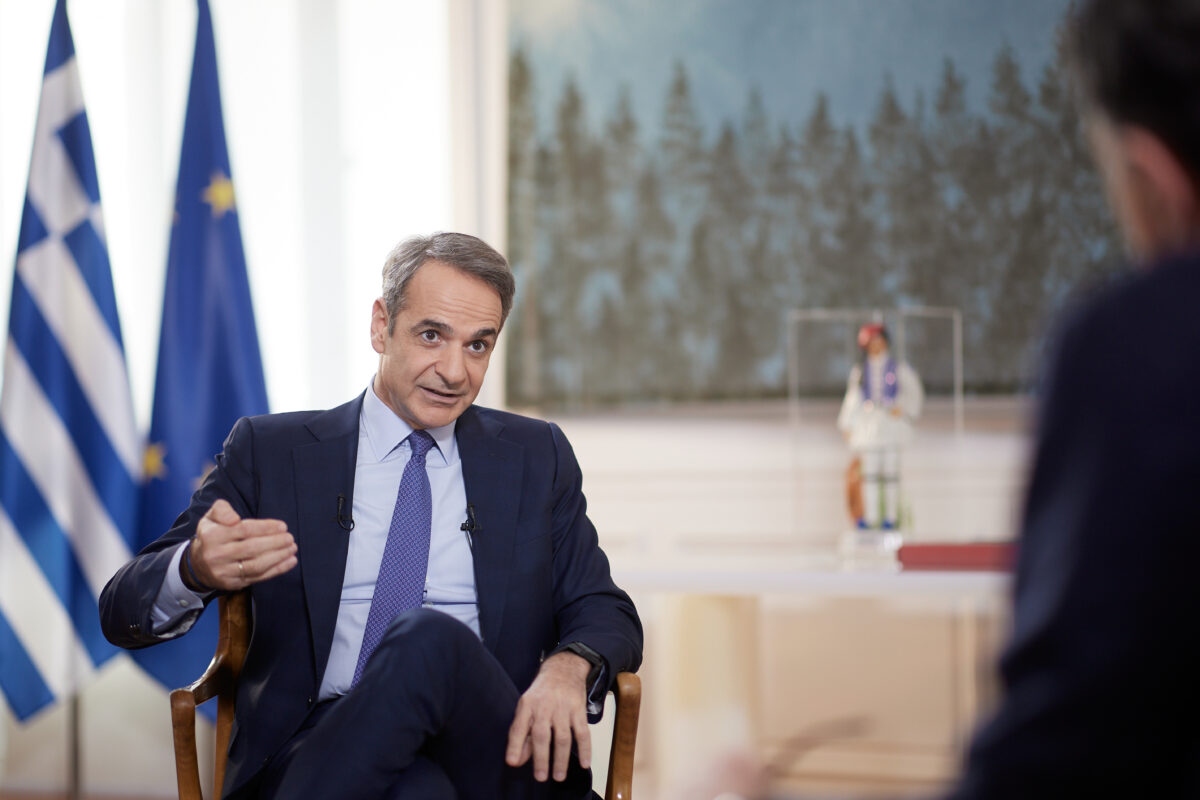
Several political commentators and analysts have raised concerns about what they describe as a cautious — even hesitant — stance by the government regarding evolving geopolitical crises.
As conflicts continue to shape the international landscape, some observers argue that Athens appears to be adopting a wait-and-see approach, avoiding major strategic moves until the global situation becomes clearer.
This posture has been described by critics as “defensive inertia”—a strategy that prioritizes risk avoidance over proactive geopolitical engagement.
Inside the political corridors
Behind the official rhetoric, the debate within political circles is more nuanced.
Supporters of the government argue that measured restraint is deliberate, not accidental. Their reasoning is that Greece must preserve:
- economic stability,
- diplomatic balance,
- and domestic political calm during an uncertain global period.
Critics, however, see something different.
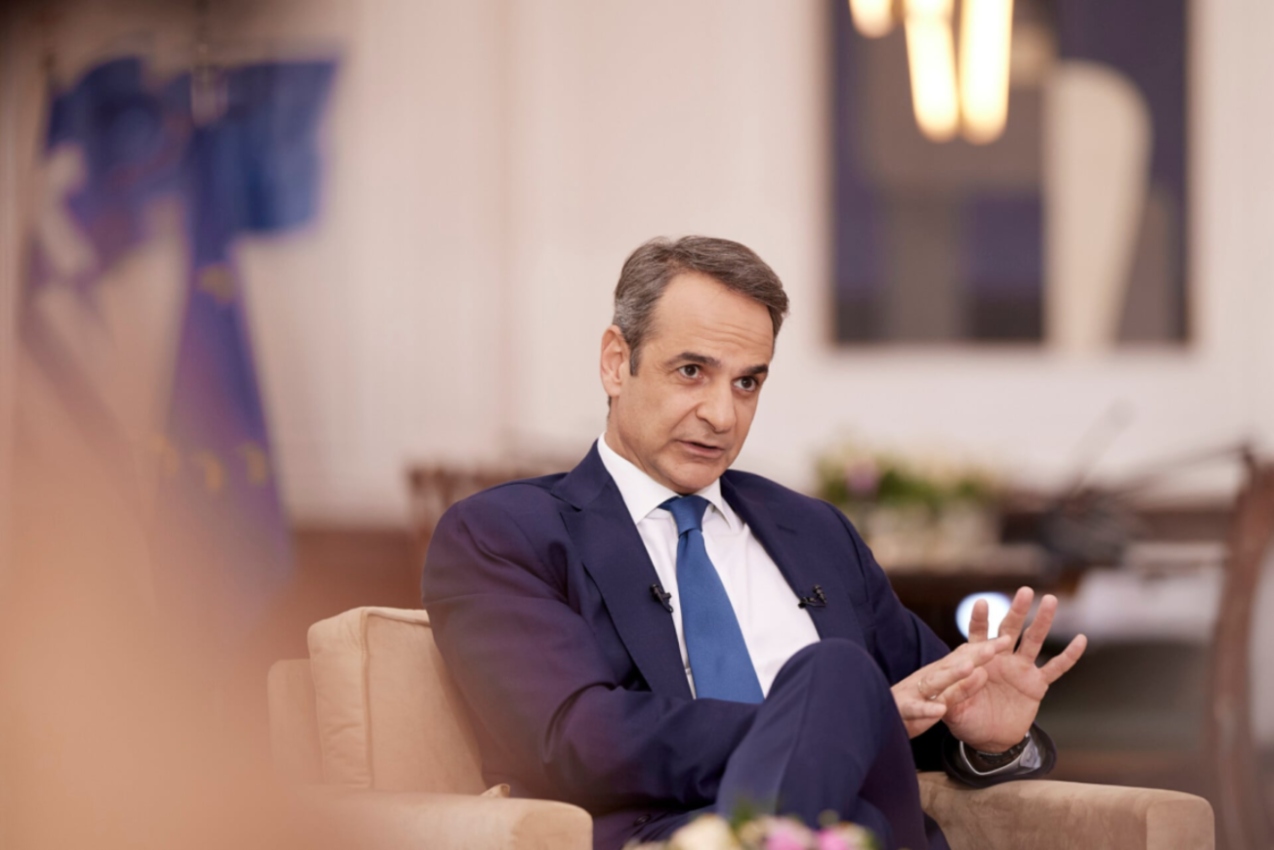

They suggest the government may be carefully shifting public debate toward economic achievements, thereby limiting discussion on more sensitive issues such as:
- Greece’s strategic role in international military developments,
- the use of Greek infrastructure by allied forces,
- and the economic consequences of prolonged geopolitical conflict.
The political gamble
In the end, the government’s strategy appears to rest on a single political wager.
If economic growth continues and living standards improve, the narrative of “strength through stability” may resonate strongly with voters.
However, geopolitical instability has a way of reshaping political priorities. Should international tensions intensify, questions of security and foreign policy may move to the center of domestic debate.
And in that scenario, the government’s carefully constructed message — “strong economy, strong Greece, strong New Democracy” — could face a much more complex political test than originally anticipated.
Source: pagenews.gr