


Alex Exarchou: “I Will Not Let Europe Undermine the Vertical Energy Corridor”
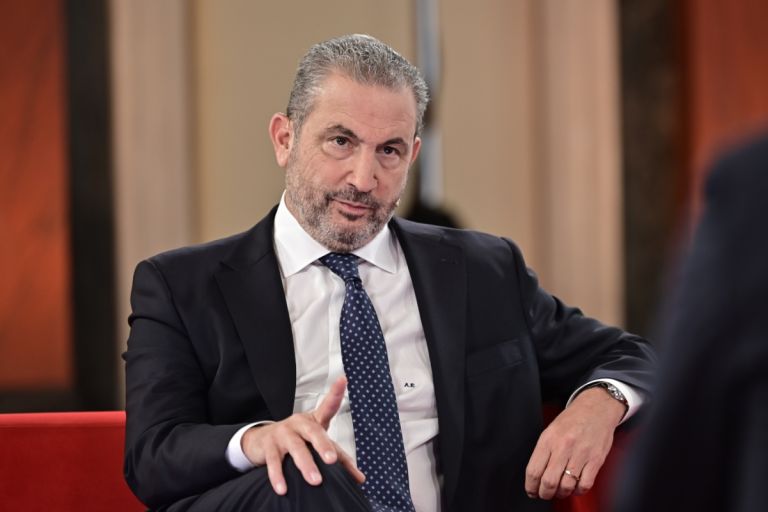
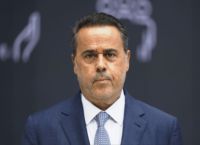
Πηγή Φωτογραφίας: eurokinissi//Alex Exarchou: “I Will Not Let Europe Undermine the Vertical Energy Corridor”



My Message on U.S. LNG, Europe, and Greece
I am Alexandros Exarchou, CEO of Atlantic SEE LNG Trade and head of Aktor Group, and I want to speak clearly about the challenges facing the Vertical Energy Corridor and U.S. LNG imports through Greece.
The strategic transformation of Europe’s energy architecture around U.S. LNG has created not only commercial debates but also geopolitical tensions. Two issues are at the heart of this discussion:
- Certain European states persist in dependency on Russian natural gas.
- Some EU officials, intentionally or not, sabotage the European energy strategy, acting as representatives of member states rather than defenders of EU policy.
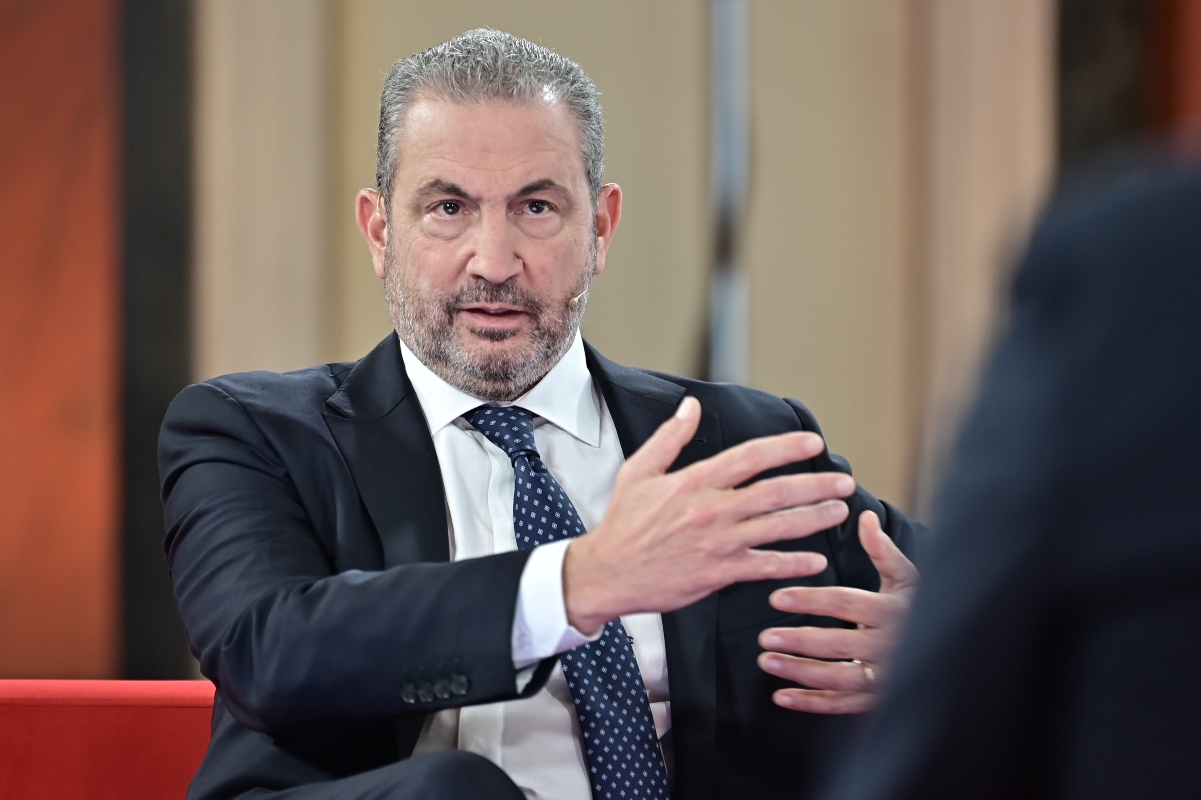
Exarchou’s Allegations: Behind the LNG Lines
I have stated openly that Northern European countries oppose large-scale U.S. LNG imports, not merely for pricing or market reasons, but because this opposition undermines the EU’s broader energy strategy.
I also revealed internal sabotage:
“Sometimes European officials act more as representatives of member states than as defenders of European policy.”
This attitude blocks or delays decisions that would strengthen the new energy architecture.
The Geopolitical Framework: The Vertical Energy Corridor
The Vertical Energy Corridor is designed to import U.S. LNG through Greece and distribute it to Southeastern and Eastern Europe, replacing Russian natural gas—especially with the EU ban on Russian flows coming into effect in 2026.
Through Atlantic SEE LNG Trade, we have secured long-term supply agreements with Albania, Bulgaria, Bosnia-Herzegovina, and Ukraine. These are the first steps toward a stable, consistent energy flow from the U.S. to Europe.
At the same time, Greece is strengthening its role as an energy hub, with infrastructure like the Alexandroupolis FSRU and other facilities enabling access to U.S. LNG for onward transport to Northern Europe.
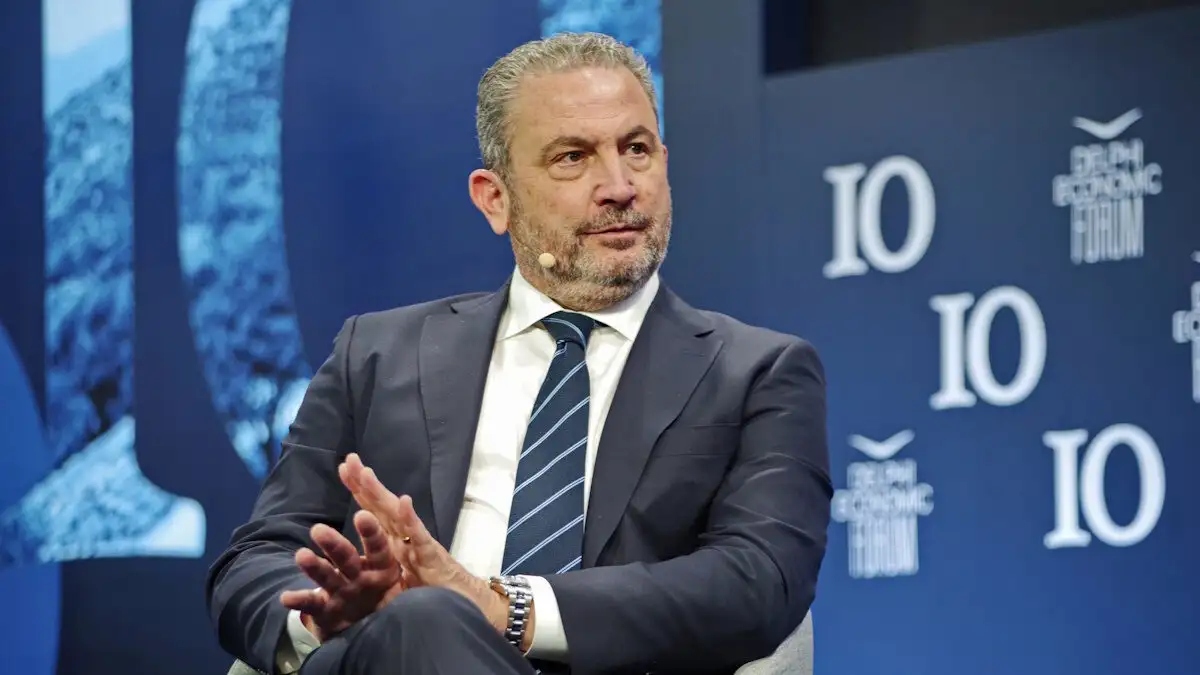
European Resistance and Risks
My statements point to both external and internal challenges:
- Some Northern European countries hesitate to commit fully to ending Russian gas dependency.
- This hesitation reflects geopolitical preferences that maintain expensive energy channels and influence.
- The EU struggles to act cohesively when member states’ interests diverge, leading to delays and policies that raise energy costs without achieving intended benefits.
Economic Risks and the Russian Energy Challenge
I have emphasized that ongoing conflict in the Middle East will hit Europe hardest, especially as it remains heavily dependent on imported natural gas. Inflationary pressure and supply disruptions will affect Europe more than the U.S. or China.
This makes long-term agreements with reliable suppliers—the U.S.—essential, particularly while U.S. LNG prices are favorable. If delayed, prices may spike and destabilize markets already under stress from old energy dependencies.
The Vertical Energy Corridor as a Geopolitical and Economic Stake
For Greece, the Vertical Corridor strengthens its energy and geopolitical position in Europe. It enhances relations with the U.S., provides economic growth opportunities, and ensures energy security.
I stress that the commercial benefits of already-signed agreements are secured, and Greece must protect this strategic project. The “Greek character” of the Corridor must be preserved to maximize geopolitical advantages.
“I will not allow this project to serve foreign geopolitical agendas. Our mission is to secure Greece’s strategic and economic interests.”
Source: pagenews.gr
Διαβάστε όλες τις τελευταίες Ειδήσεις από την Ελλάδα και τον Κόσμο





Το σχόλιο σας