


Costa warns: Middle East conflict, energy crisis, and Greece’s role behind the scenes
Πηγή Φωτογραφίας: AP Photo//Costa warns: Middle East conflict, energy crisis, and Greece’s role behind the scenes



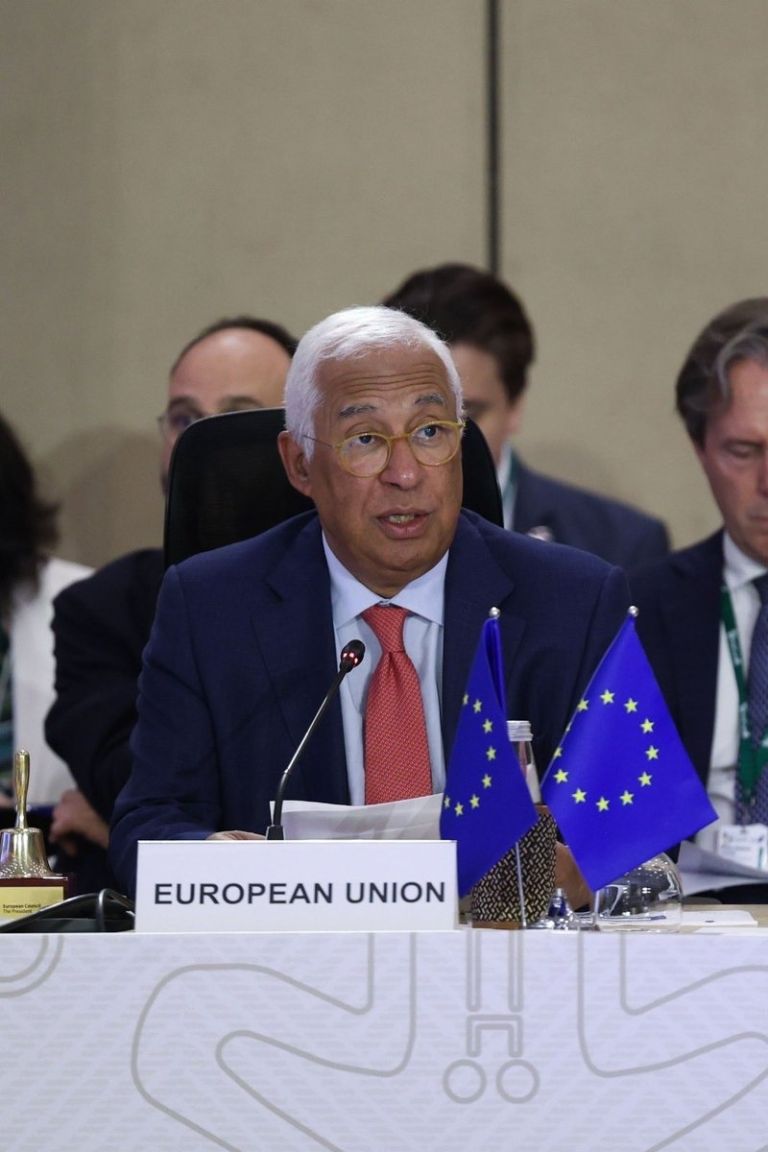
In a critical statement on global affairs, European Council President António Costa addressed the escalating situation in the Middle East, warning that “it is difficult to predict the duration of the conflict, as the ultimate goal remains unclear.” His remarks underline the EU’s growing concern over security, energy, and geopolitical stability in the region.
Costa emphasized the EU’s rapid response to the Cyprus incident, after drone attacks targeted a British airbase, noting that “Greece, France, Italy, Spain, and the Netherlands reacted immediately to defend Cyprus, demonstrating our ability to act autonomously”. This reinforces the EU’s collective defense commitment under Article 42.7 of the Treaty on European Union.
In a pointed behind-the-scenes observation, Costa criticized the lack of prior consultation by the US and Israel, describing it as a “serious risk to the rule-based international order”. He highlighted both the humanitarian consequences and the impact on global energy prices, stressing the EU’s urgent need for strategic responses.
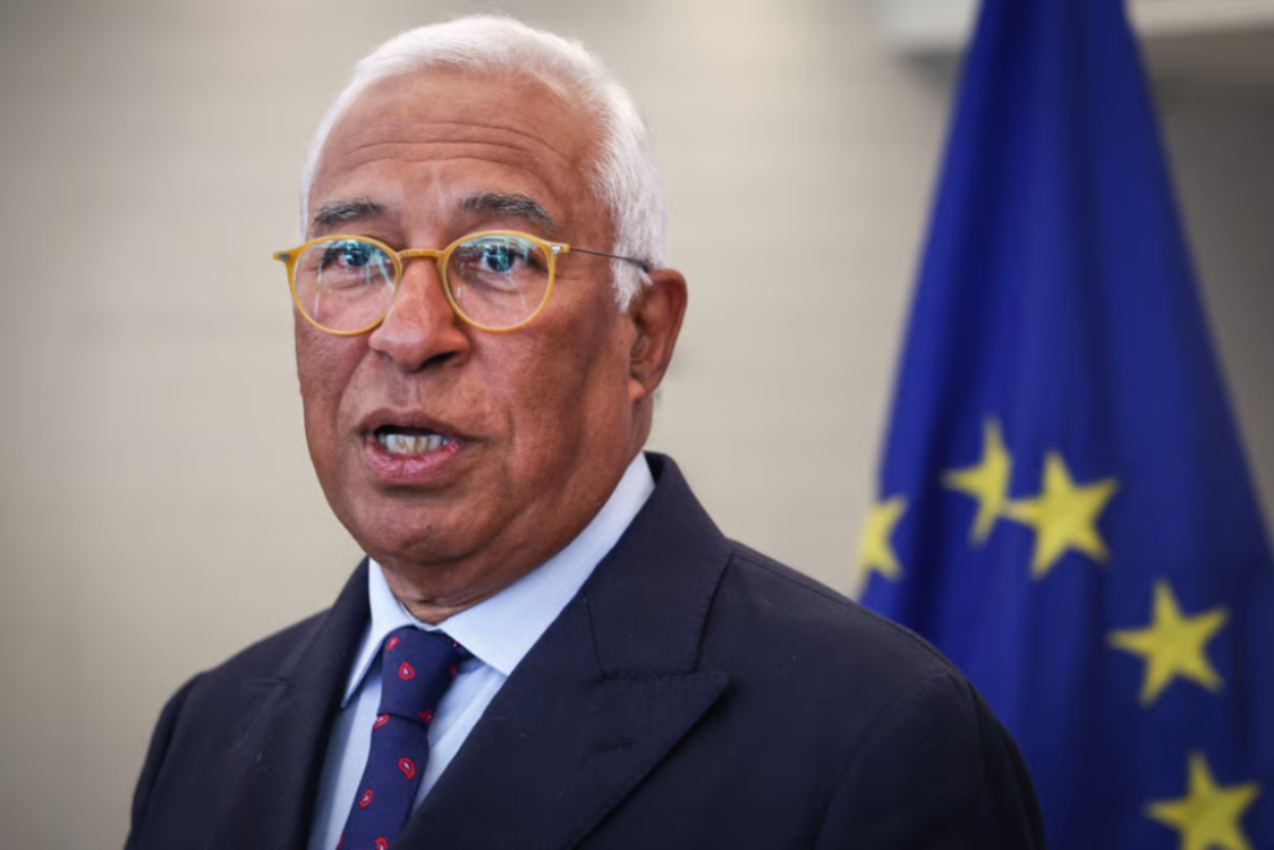
On security and maritime issues, Costa underlined the importance of restraint and diplomacy to safeguard freedom of navigation in the Strait of Hormuz, while condemning Iranian attacks on neighboring states. “All parties must respect international law and allow space for diplomacy,” he said.
In terms of energy policy, Costa described the Middle East crisis as “a dramatic and demanding moment for the rule-based international order, with huge effects on energy costs”. He stressed the need for temporary measures to curb price spikes and highlighted the EU’s strategy to invest in domestic energy sources, including renewables and nuclear, to strengthen strategic autonomy.
Costa also addressed EU enlargement, framing the accession of Western Balkan countries, particularly Montenegro, as “a top priority”, signaling a drive for a stronger and more geopolitically independent Europe. He emphasized gradual integration tailored to each country’s readiness, using enhanced cooperation where needed.
Regarding Ukraine and Russia, Costa reiterated that the EU does not seek normalization with Russia at this time, focusing instead on energy decoupling and continued support for Ukraine through military, diplomatic, political, and economic means. He praised the cooperation with President Zelensky and highlighted EU efforts to repair and secure the Druzhba pipeline, damaged by Russian attacks.
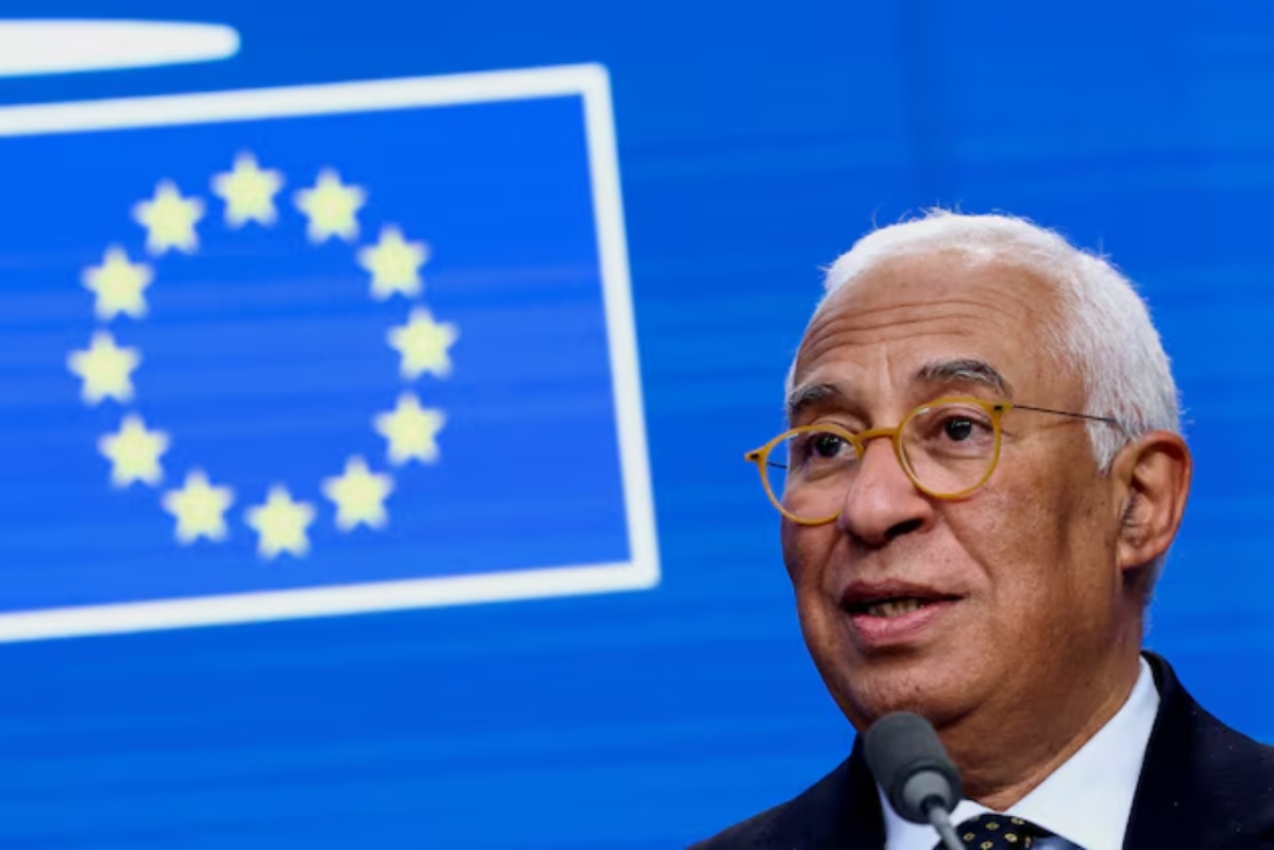
In sum, Costa’s statements reveal an EU at a crossroads, balancing strategic autonomy, energy security, and geopolitical responsibility, while managing the complex fallout of the Middle East conflict. Greece’s proactive role in Cyprus and the broader region emerges as a key behind-the-scenes factor in the EU’s strategic calculations.
Source: pagenews.gr
Διαβάστε όλες τις τελευταίες Ειδήσεις από την Ελλάδα και τον Κόσμο




Το σχόλιο σας