


Gerapetritis & Germany in Berlin: A Strategic Stand for Diplomacy over Militarization
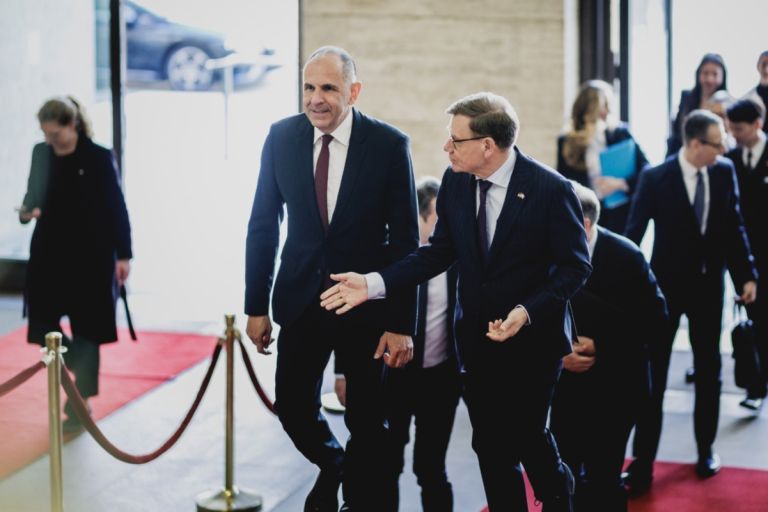
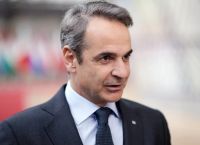
Πηγή Φωτογραφίας: twitter MFA//Gerapetritis & Germany in Berlin: A Strategic Stand for Diplomacy over Militarization



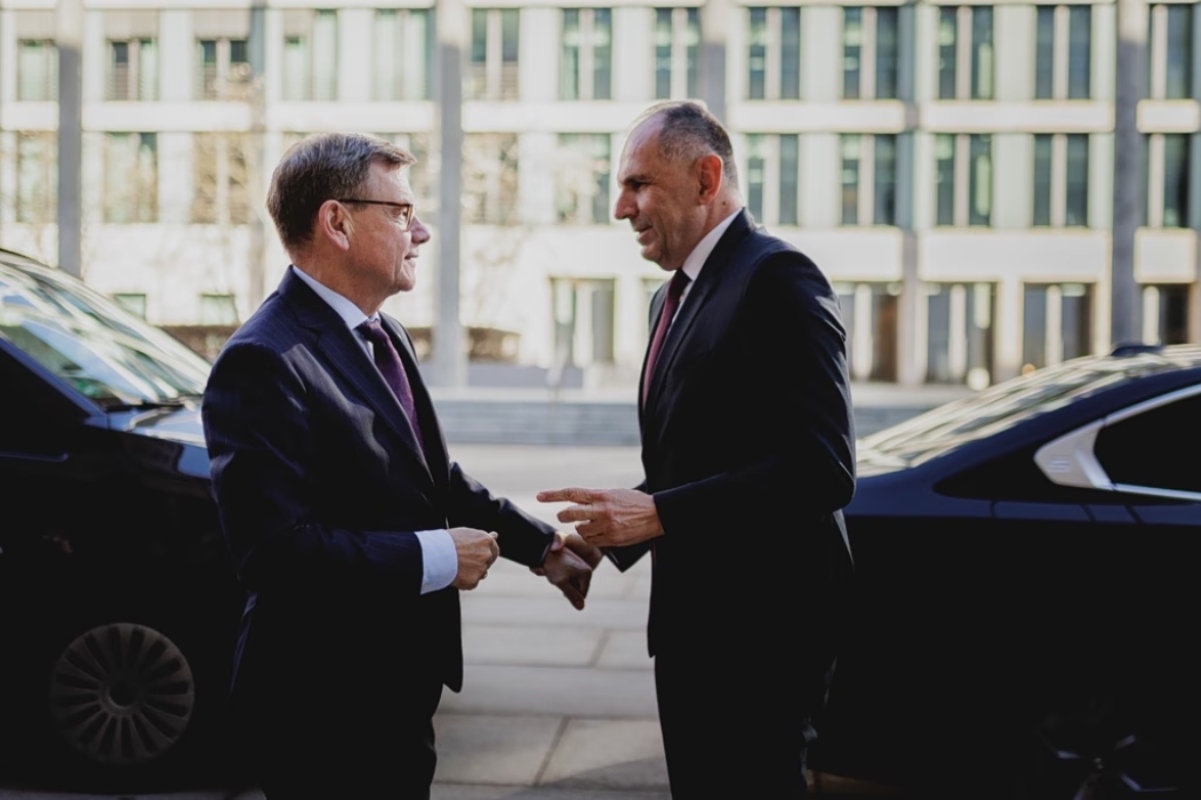
In a high‑stakes diplomatic exchange in Berlin on March 17, 2026, Greek Foreign Minister Giorgos Gerapetritis and German Foreign Minister Johann Wadephul presented a unified European vision for addressing one of the most serious geopolitical flashpoints of the year – the escalating crisis in the Strait of Hormuz and its implications for global security and trade. Their joint stance underscores diplomatic engagement and broad international cooperation rather than unilateral or military responses to an intensifying Middle East conflict.
Navigating a Global Security Emergency
The strategic pivot point of this crisis lies in the Strait of Hormuz, a narrow maritime chokepoint through which roughly 20% of the world’s oil and liquefied natural gas transit. Since late February 2026, escalating hostilities between the United States‑Israel coalition and Iran have dramatically disrupted this vital artery, contributing to plummeting ship traffic and surging energy prices worldwide.
Against this backdrop, Gerapetritis made Greece’s position abundantly clear: Athens does not support separate or ad‑hoc arrangements to secure ship passage. Instead, Greece advocates a durable, multilateral solution under recognised international frameworks, championing diplomacy and broad cooperation guided by the United Nations.
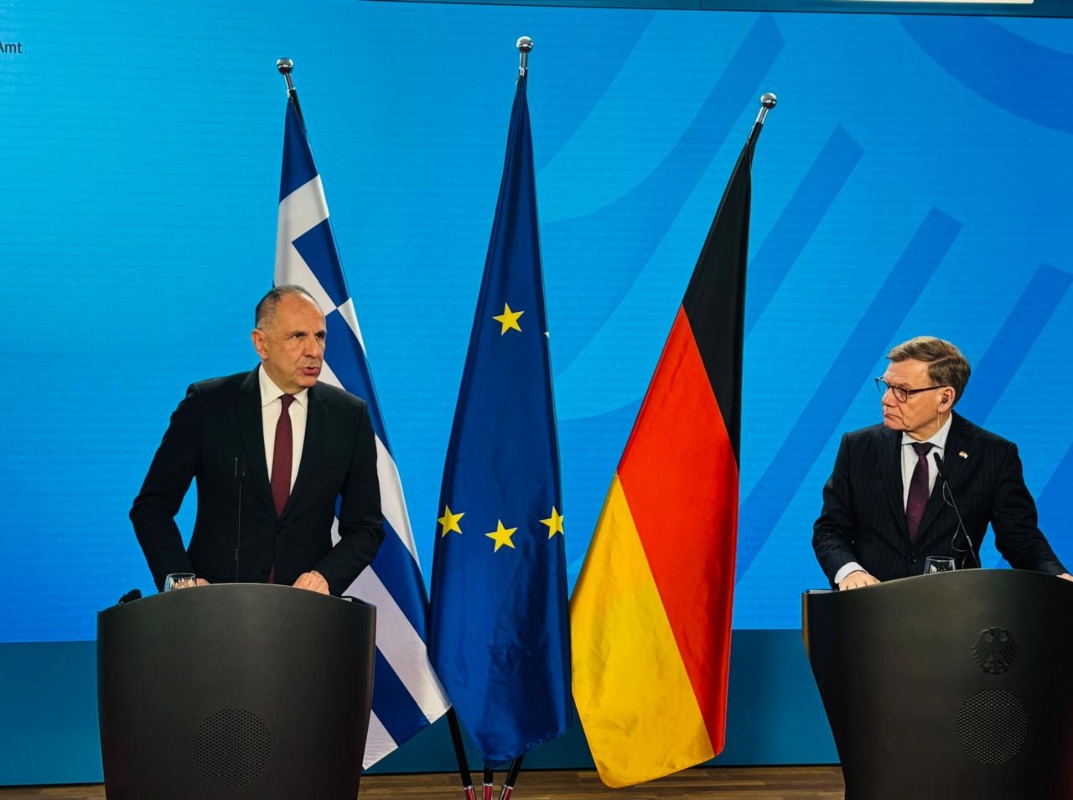
“We are calling for a long‑term, stable solution to ensure the safety and freedom of navigation through the Strait,” Gerapetritis said, highlighting Greece’s pivotal role as a maritime power whose commercial fleet and seafarers operate extensively in the Gulf.
Diplomacy Over War: A European Consensus
Echoing Greece’s approach, Germany has also rejected expanding military involvement in the region as a method of securing Hormuz. Despite pressure from external partners — notably calls from U.S. leadership to rally NATO allies to deploy naval forces — European capitals have drawn a firm line: no military escalation absent a clear mandate or comprehensive plan.
Recent reporting shows European nations, including Germany, the UK, France, and Italy, have declined to send warships to reopen the strait, stressing the risks of deeper involvement in active conflict and calling for diplomatic solutions instead.
This shared European position aligns with broader diplomatic efforts: the EU’s foreign policy leadership is pressing for an end to hostilities, exploring models akin to past UN‑brokered safe passage agreements, and seeking to engage regional actors — including Gulf states and Iran — to re‑establish secure maritime transit without resorting to military force.
Greek Priorities: Freedom of Navigation & Protection of Mariners
For Greece, the stakes are both strategic and human. With one of the world’s largest merchant fleets, Greek vessels and sailors are directly affected by disruptions in the Gulf. Gerapetritis emphasised that any threat to free navigation is unacceptable and must be addressed through international law and diplomatic cooperation.
In his statements, Gerapetritis reassured that while Greece firmly supports free trade routes, it remains steadfast in its position against military entanglement in the conflict — a stance that mirrors European partners’ caution about escalation.
Context: A Wider Geopolitical Shift
The crisis in the Strait is embedded in the broader “2026 Strait of Hormuz crisis”, precipitated by joint U.S.‑Israeli strikes on Iran and ensuing Iranian retaliation. The result has been a significant decline in maritime traffic and a sharp rise in oil prices — marking the largest such disruption to global energy supply in decades.
The situation has highlighted the limits of military solutions in resolving complex regional disputes, particularly when they risk dragging allied nations into broader conflict zones without clear legal or strategic mandates.
The Road Ahead: International Law and Cooperation
Greece’s appeal — echoed by many European states — is simple yet profound: only a coordinated international response, grounded in diplomacy and respect for maritime law, can ensure lasting peace and security for global trade.
Gerapetritis and Wadephul’s Berlin dialogue reflects a broader European commitment to upholding international norms, safeguarding free navigation, and preventing the spillover of regional tensions into global economic instability.
Source: pagenews.gr
Διαβάστε όλες τις τελευταίες Ειδήσεις από την Ελλάδα και τον Κόσμο






Το σχόλιο σας