Key Takeaways
- EU Summit (Thursday): Main focus on a coordinated European response to Middle East tensions and potential energy disruptions.
- Kyriakos Mitsotakis: Calls for a common EU plan and fiscal flexibility to avoid past mistakes from the 2022 energy crisis.
- EU tools proposed: State aid, tax interventions, and pre-approved spending caps.
- Innovative measures: Telework and public transport subsidies considered to reduce household energy costs.
- Greek fiscal strategy: Avoids premature national interventions to maintain market confidence.
- Goal: Secure EU “green light” for rapid deployment of crisis measures.
- Broader political angle: Crisis framed as economic, political, and social, requiring harmonized EU action.
- Telework as policy: Combines energy savings, social support, and environmental sustainability.
- Lesson learned: Delayed responses are costly; timely, coordinated action is essential for EU resilience.
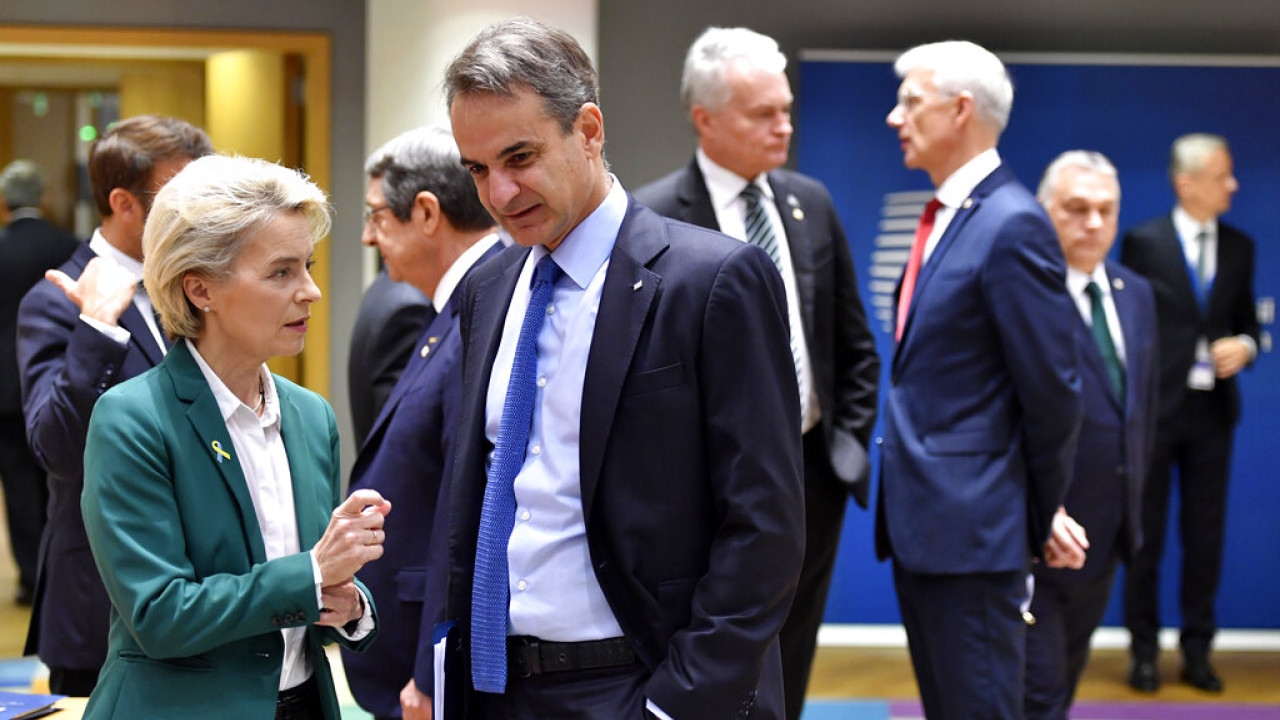
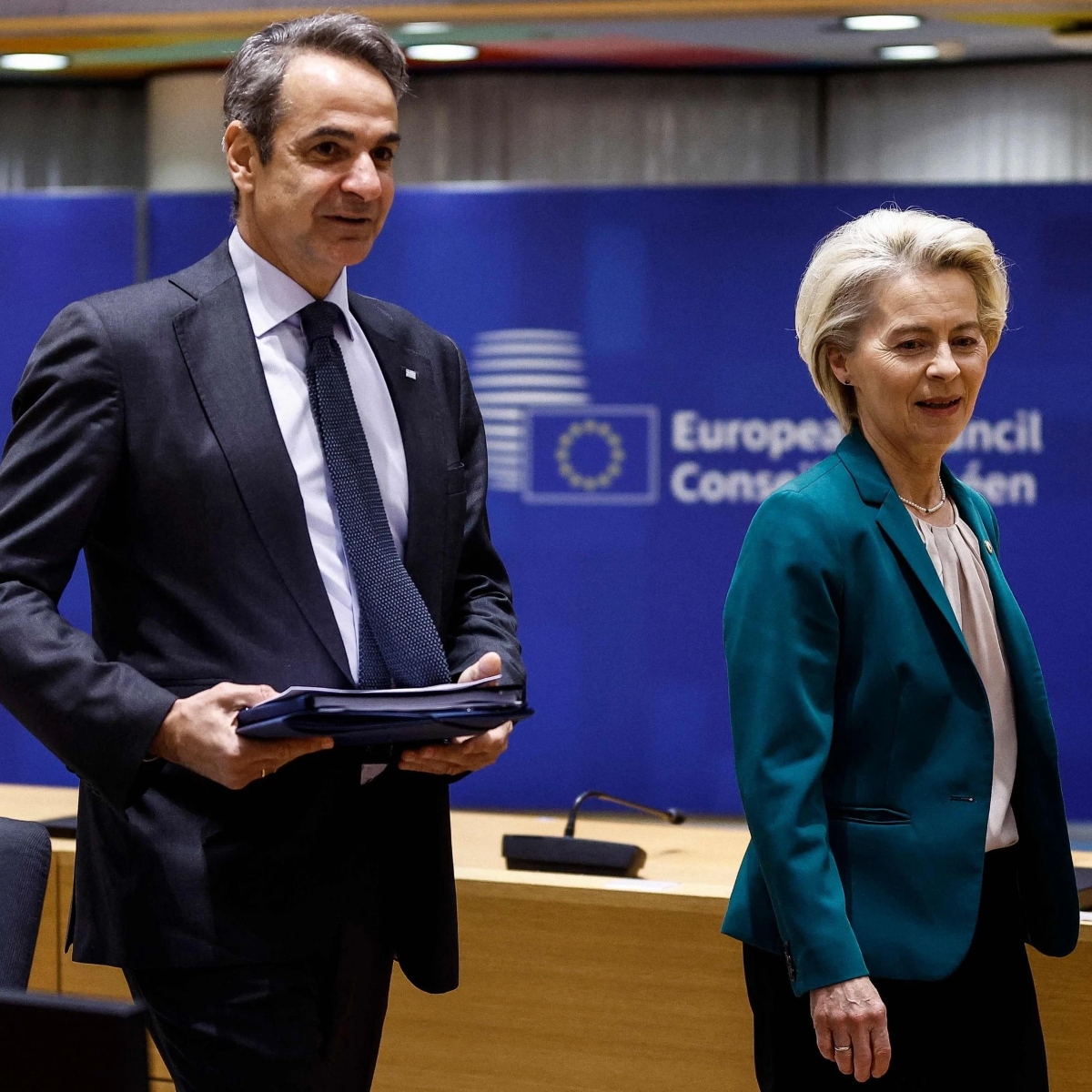
The European Union is facing a new wave of uncertainties following the escalation of the crisis in the Middle East, with potential impacts on global trade and supply chains. At the upcoming Thursday EU Summit, Greek Prime Minister Kyriakos Mitsotakis will urge EU leaders for a common European response plan, aiming to avoid the delays that worsened the 2022 energy crisis, which cost member states and citizens alike.

“Out-of-the-Box” Measures – Telework & Public Transport
Greek government sources indicate that the summit will explore non-traditional measures, such as:
- Extended telework policies to reduce commuting costs
- Subsidized public transport to limit reliance on private vehicles
The aim is to combine energy efficiency, social support, and environmental sustainability, establishing a new model for crisis response in Europe.
Greece’s Position – Fiscal Flexibility
Athens emphasizes that:
- EU member states must have pre-approved tools to respond quickly to crises
- Proposed tools include state aid, spending caps, and tax interventions
- Greece avoids premature national measures to maintain credibility in financial markets
The message is clear: a coordinated EU framework allows for rapid response without undermining fiscal stability.
Political and Social Dimension
The crisis is framed as economic, political, and social, not merely technical. Differences in urgency perception among EU members highlight the need for harmonized fiscal and crisis tools. Introducing telework as a European-level policy connects environmental goals with social welfare, marking a potential shift in EU crisis management philosophy.
The upcoming EU Summit may set a turning point for crisis response in Europe: adopting flexible, socially-oriented tools, or sticking to traditional fiscal measures. Greece stresses that delayed reactions are costly, and timely, coordinated action is now the benchmark for success.
Source: pagenews.gr