


EU MILITARY SUPERSTATE NOW? Meimarakis Demands European General Staff
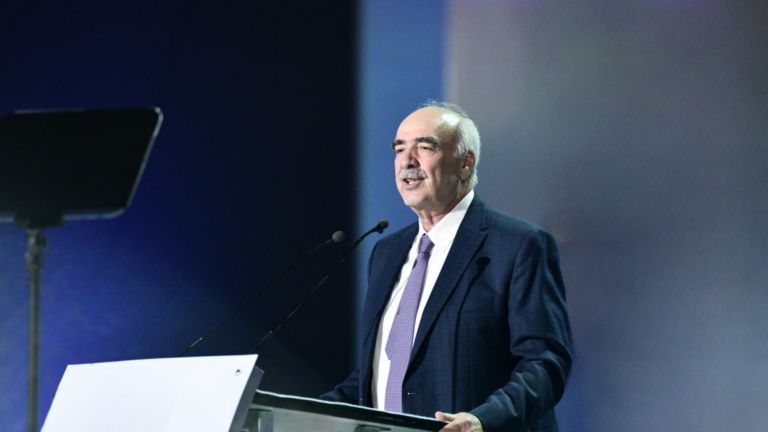
Πηγή Φωτογραφίας: eurokinissi/EU MILITARY SUPERSTATE NOW? Meimarakis Demands European General Staff


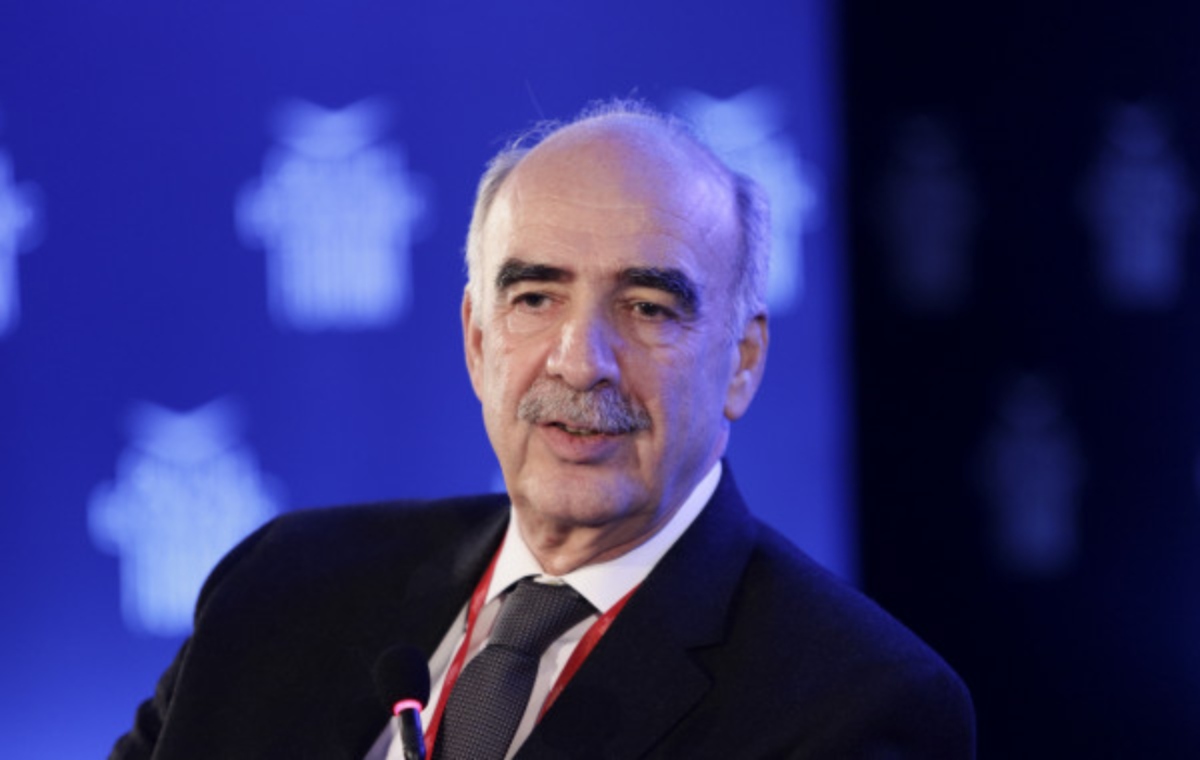
In a political statement that reignites discussions about the future role of the European Union in defense, MEP and former President of New Democracy Evangelos Meimarakis promoted the idea of a European General Staff for National Defense (European GSND) during his speech at the 1st Blue Heritage Summit in Thessaloniki, a conference gathering political and strategic actors to discuss energy and geopolitical issues.
A proposal “on the edge of strategic autonomy”
Speaking with a firm political tone, Meimarakis emphasized that Europe—despite being a union of sovereign states—should strengthen common defense and security responsibilities by creating a centralized military planning and coordination hub. This unified GSND would be tasked with identifying threats at the EU’s borders and determining the corresponding defense systems required.
Government rhetoric with strategic implications
Despite advanced language advocating a stronger European role in defense matters, Meimarakis clarified that this does not necessarily entail abolishing national general staffs or detaching from NATO. On the contrary, he argued that a European GSND could operate complementarily, without undermining national military institutions.
From Athens to Brussels—and back
Meimarakis’ intervention was not merely theoretical. He reminded the audience that the issue of European military integration and the role of a Defense Commissioner had been raised when he served as Greece’s Minister of National Defense, noting that it took many years before the EU eventually appointed a Defense Commissioner—an indication, as he observed, of the delays in European defense.
Shared challenges, different sensitivities
Meimarakis’ proposal comes at a time of accelerating geopolitical developments—from tensions in the Middle East to ongoing challenges in Eastern Europe. These conditions have reignited calls for strengthening Europe’s strategic autonomy, an idea long discussed in the context of a common European force or even a unified European military budget.
Political stakes and domestic calculations
On a political level, Meimarakis’ move can be seen as an effort to reposition Greek conservatism in the European strategic dialogue, at a time when the Union seeks more reliable ways to coordinate its defense capabilities. In this context, the discussion of a European GSND shifts from a purely military proposal to a political instrument—a signal that Europe must act more decisively in a geopolitically unstable environment.
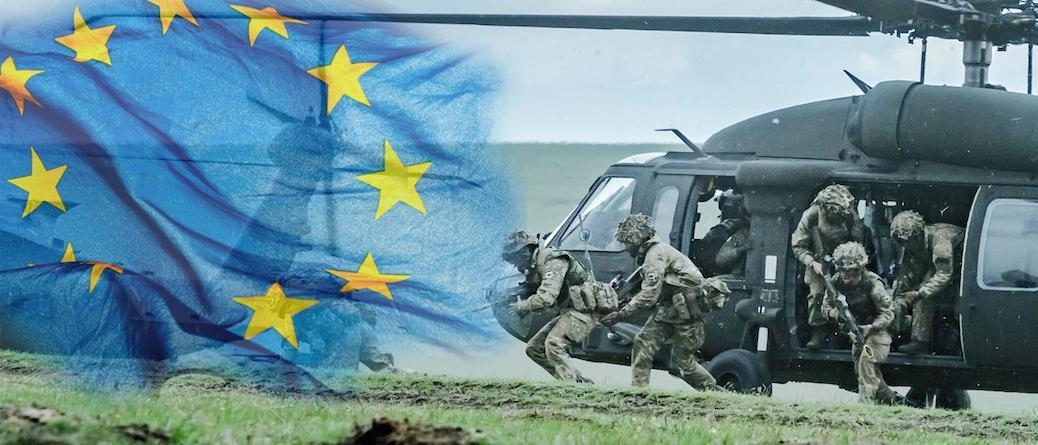
Critics argue the idea could touch upon euroskeptic concerns about losing national sovereignty, but Meimarakis emphasizes that this is primarily about cooperation rather than ceding powers.
The proposal for a European GSND, from a Greek political perspective, is not merely an idea—it is a political stake. In a period of international tension, Europe must decide whether it will remain solely an economic union or evolve into a strategic defense actor with a more visible role in 21st-century security.
Source: pagenews.gr
Διαβάστε όλες τις τελευταίες Ειδήσεις από την Ελλάδα και τον Κόσμο






Το σχόλιο σας