


Mitsotakis in Brussels: EU Must Protect Borders and Economy, No Repeat of 2015
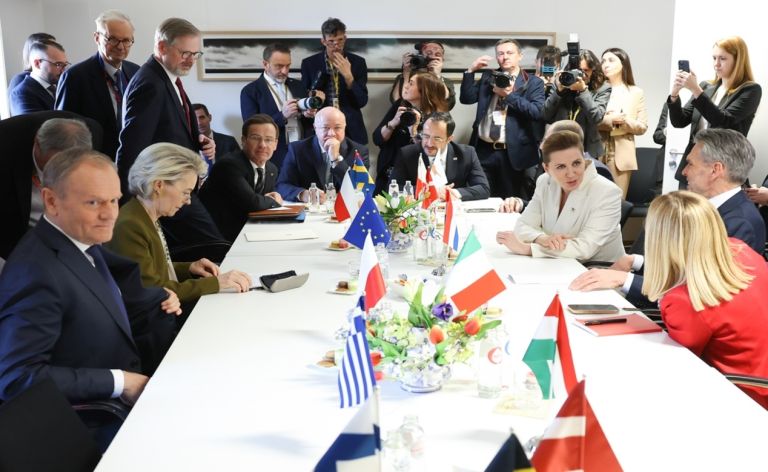
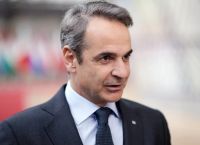
Πηγή Φωτογραφίας: ΣΥΝΕΔΡΙΑΣΗ ΤΟΥ ΕΥΡΩΠΑΪΚΟΥ ΣΥΜΒΟΥΛΙΟΥ *ΠΡΟΣΟΧΗ ΜΟΝΟ EDITORIAL USE * (POOL PHOTO/ΕΥΡΩΠΑΪΚΗ ΕΝΩΣΗ/EUROKINISSI)



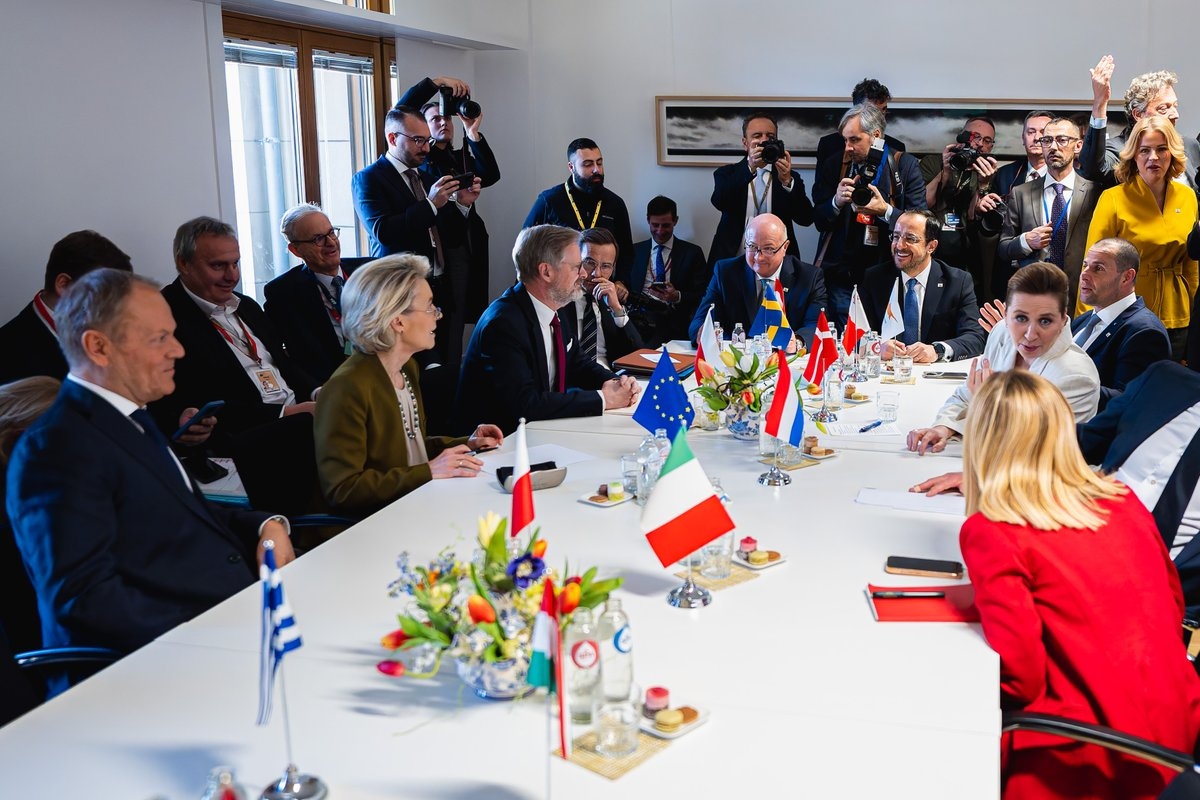
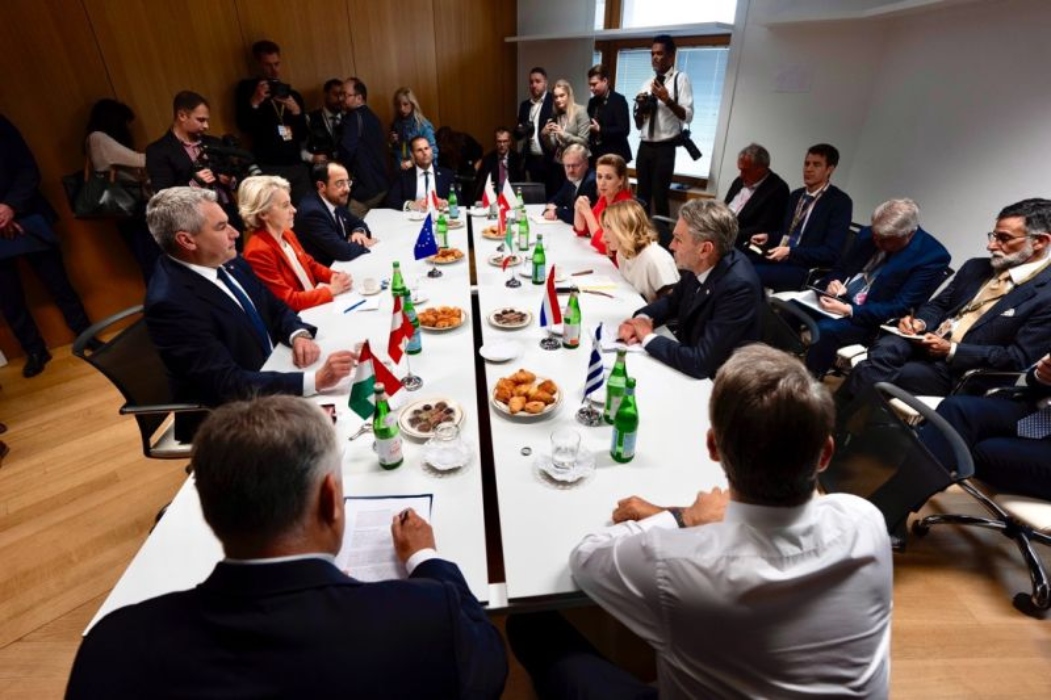
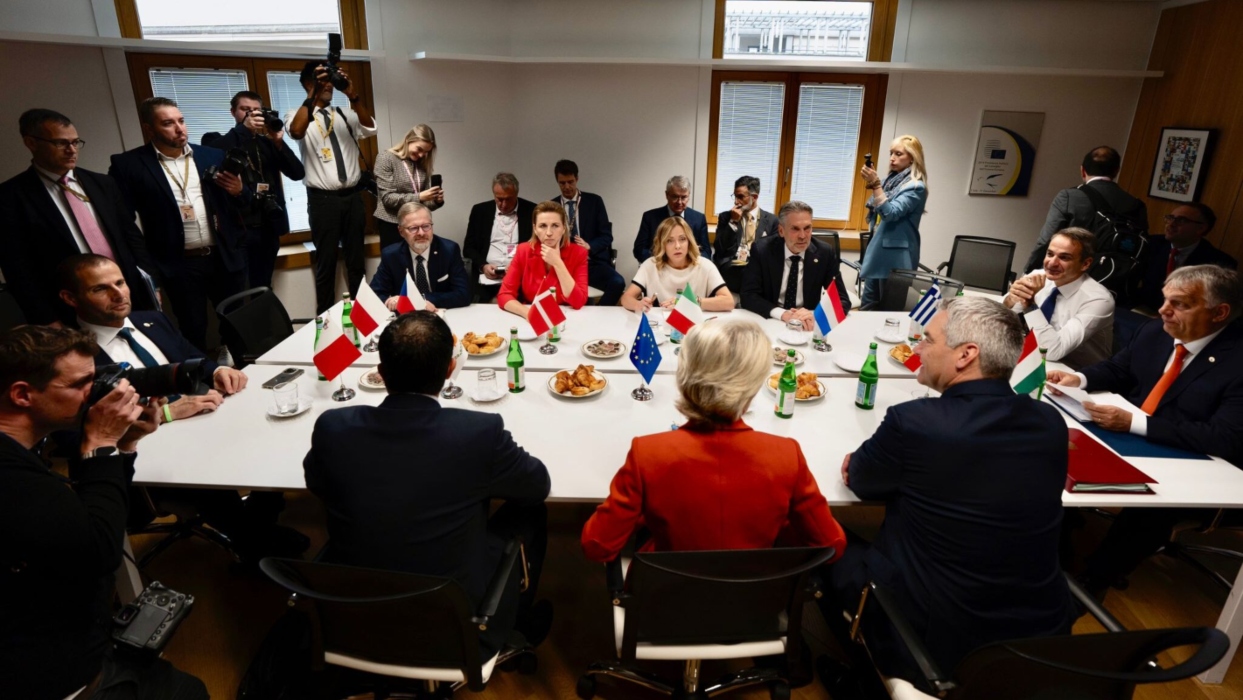
Intense activity is underway in Brussels ahead of the European Council Summit, with the Middle East crisis dominating talks on economic and migration issues. Greek Prime Minister Kyriakos Mitsotakis attended an informal migration meeting at the Italian delegation offices, alongside leaders from 16 EU member states and European Commission President Ursula von der Leyen.
“This crisis must not lead Europe into a new refugee crisis. Europe cannot allow a repeat of the 2015 crisis,” the Prime Minister emphasized.
Institutional Solidarity and Article 42.7
Mitsotakis stressed the need for a strong institutional mechanism for mutual assistance between EU member states, particularly in the event of an attack.
“Greece acted quickly to support Cyprus when it was attacked. I will request a clear roadmap to transform the informal activation of Article 42.7 into a structured, institutional option for all member states,” he stated.
This initiative aims to establish a clear framework of response and institutional protection for EU countries facing crises like the current Middle East conflict.
Economic Impacts and Energy Security
Greece highlighted the need to protect consumers and businesses and to halt attacks on energy infrastructure.
“The response must be both national and European. Greece is doing everything it can to support its economy, but European initiatives will be needed if the crisis continues,” Mitsotakis added.
Migration and Competitiveness Talks
The informal migration meeting included countries such as Austria, Belgium, Bulgaria, Cyprus, Czechia, Germany, Greece, Hungary, Latvia, Malta, Poland, Slovakia, and Sweden, aiming to find innovative solutions for managing migration flows.
In parallel, another informal meeting between Italy, Germany, and Belgium focused on European competitiveness, highlighting the connection between geopolitical stability and economic resilience.
Analysis
The Greek position emphasizes:
- Clear and institutionally grounded mutual assistance among EU member states.
- Protection of external borders to prevent a new refugee crisis.
- Strategic management of energy and economic crises.
This reflects a dual approach: national preparedness combined with a comprehensive European response, aimed at preventing a repeat of 2015 mistakes and safeguarding Europe against emerging geopolitical challenges.
Source: pagenews.gr
Διαβάστε όλες τις τελευταίες Ειδήσεις από την Ελλάδα και τον Κόσμο





Το σχόλιο σας