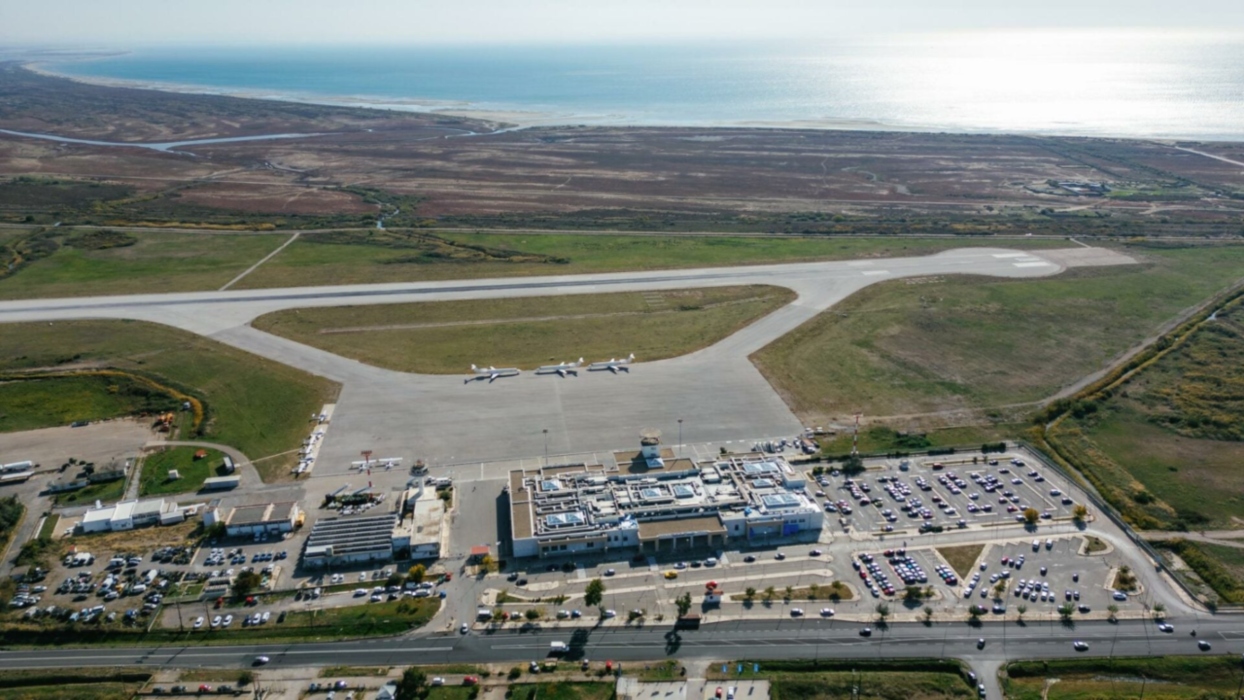
Greece is entering a new phase of infrastructure privatizations, with the long-anticipated concession process for 22 regional airports now moving forward. The starting point is set to be Alexandroupoli, a location of growing geopolitical and investment importance.
Key statements sending signals to global markets
Speaking at the 4th Eastern Macedonia and Thrace Forum, government investment adviser Dimitris Politis confirmed:
“We believe the concession process will begin within the next two months.”
He also revealed the broader strategy: “These airports will most likely be offered as a package, following the model used previously.”
In a notable admission, he added: “We have certainly been delayed, and some things could have moved faster.”
And emphasized the need for structural change: “Reforms are necessary to eliminate bureaucracy.”
The “package deal” strategy explained
The government is expected to bundle the 22 airports into a single concession scheme — a move driven by market realities:
- Most are small, low-traffic regional airports
- Individually, they attract limited investor interest
- Combined, they create scale and balanced risk
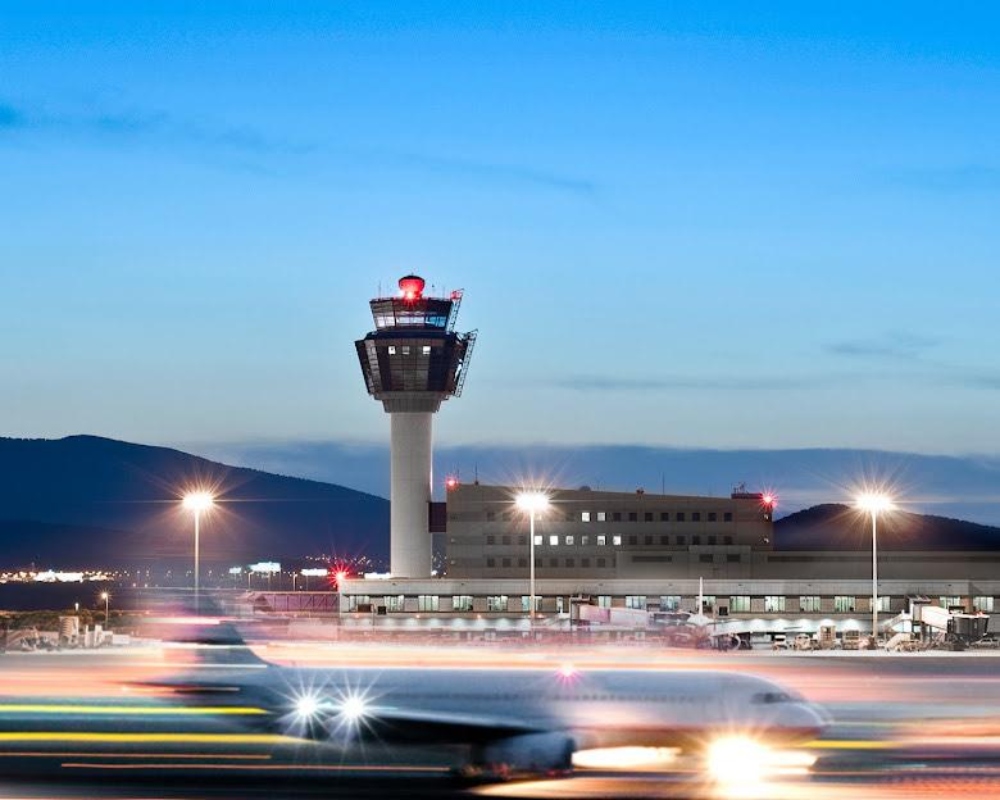
This approach mirrors the earlier concession of 14 regional airports, widely viewed as a benchmark transaction in Greece’s privatization program.

Analysis: Investment reboot or delayed reform?
The initiative comes at a critical moment:
- International observers have flagged reform fatigue
- Pressure is mounting to deliver large-scale projects
- Greece aims to maintain its credibility among global investors
Politis’ acknowledgment of delays underscores concerns that the project has lagged — making execution in 2026 a key test of policy momentum.
Why Alexandroupoli matters
Launching the process from Alexandroupoli is highly symbolic and strategic. The city has rapidly evolved into:
- A key energy hub in Southeast Europe
- A logistics gateway to the Balkans
- A geopolitical node with growing international relevance
Upgrading its airport could significantly enhance regional connectivity and economic activity across northern Greece.
Opportunities vs. risks
Potential benefits
- Inflow of foreign direct investment
- Modernization of infrastructure
- Boost to tourism and regional economies
Key concerns
- Possible increase in airport fees
- Dependence on private operators
- Political and social backlash
What comes next
The next two months are expected to be decisive. If timelines hold:
- The tender process could launch within 2026
- Investor appetite will become clearer
- The government’s ability to execute reforms will be tested
Sources & background: Mononews.gr (primary reporting on statements),Greek financial and transport media (OT, Metaforespress, News.gr)Aviation market data and infrastructure investment analyses,Broader geopolitical assessments of Alexandroupoli’s role