


EU in Strategic Paralysis: Leaders Unable to Act on Ukraine and Iran Crises
Πηγή Φωτογραφίας: AP Photo//EU in Strategic Paralysis: Leaders Unable to Act on Ukraine and Iran Crises



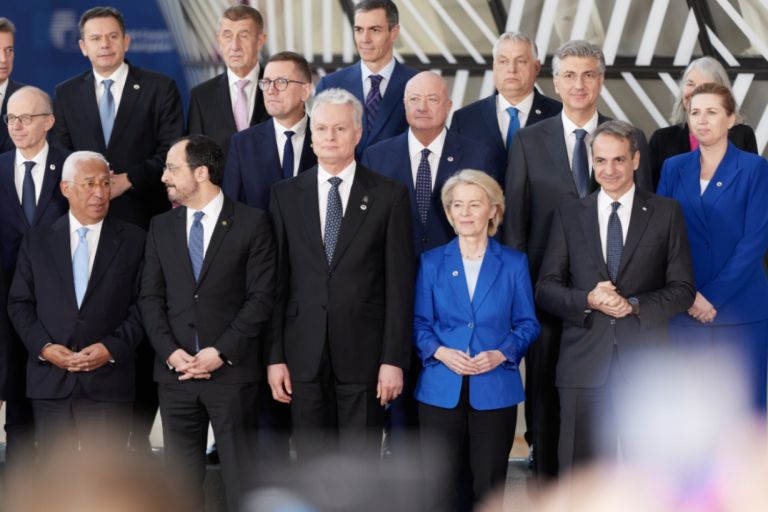
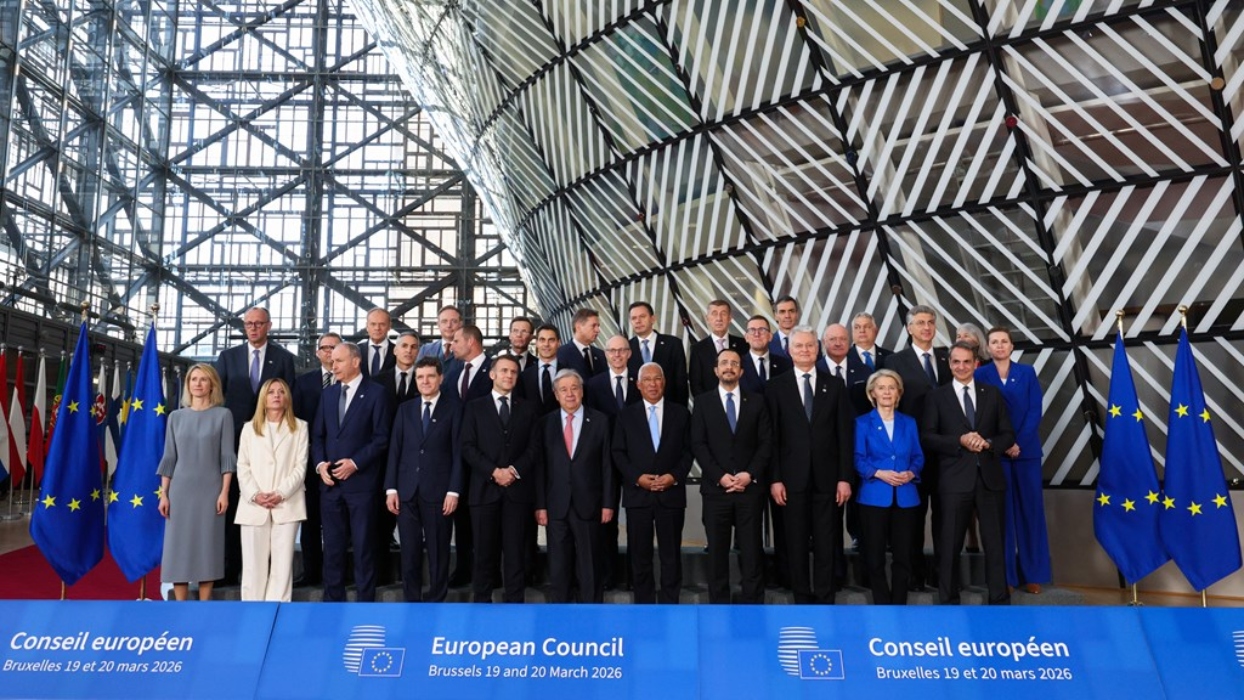
European leaders emerged from a 12‑hour summit in the Belgian capital without a clear, unified strategy on the twin crises engulfing the continent’s neighbourhood: the ongoing war in Ukraine and escalating conflict in the Middle East. The outcome — scant concrete action and a series of general declarations — has ignited criticism that the European Union is struggling to assert itself as a cohesive geopolitical actor at a moment of intense global upheaval.
Summit without substance: what went wrong
According to reporting by Politico Europe and Greek media analyzing the summit, European leaders ended the meeting with “few practical results” despite extraordinary global tensions. They remained divided and unable to respond effectively to both:
- the war in Ukraine, now over four years old
- and mounting confrontations linked to Iran’s military actions in the Middle East.
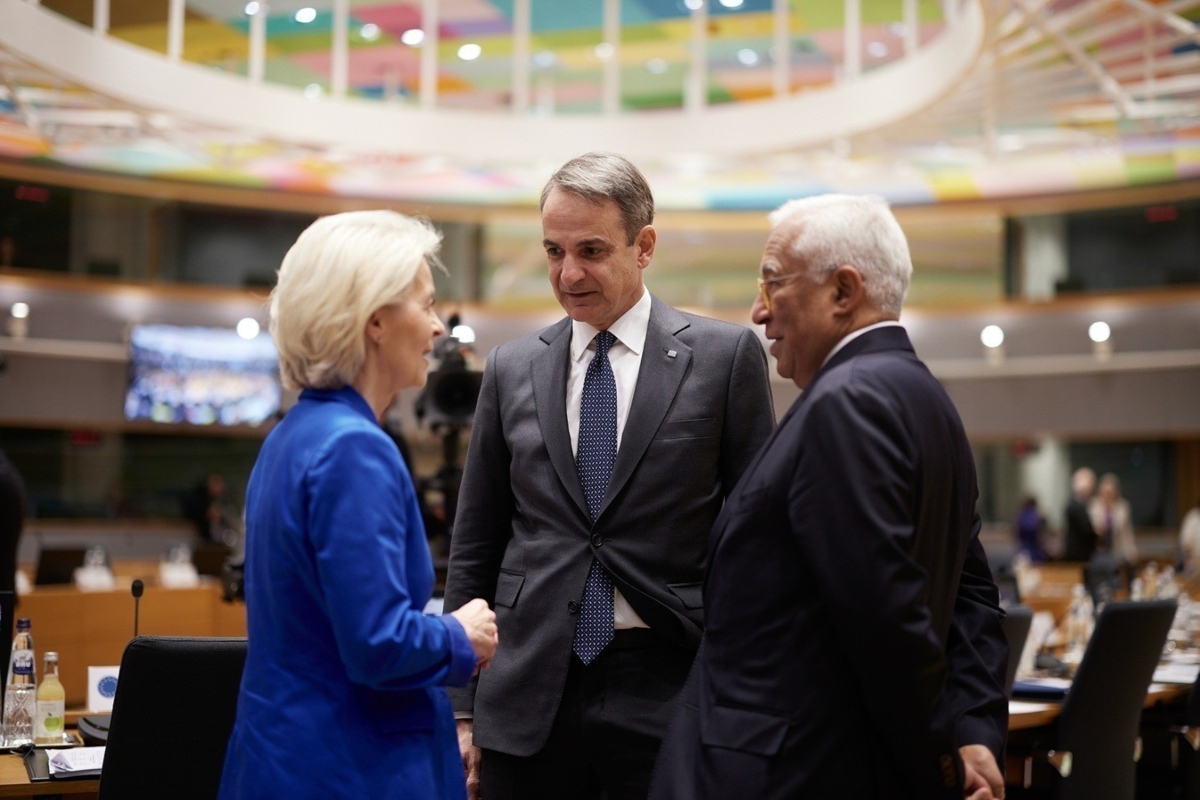
A senior EU official was quoted acknowledging that “there was no willingness to engage meaningfully on the Iran issue” — a stark admission given the broader geopolitical stakes. European Council President Antonio Costa warned that the alternative to concerted EU action was chaos, war in both regions, and erosion of the rules‑based international order.
Ukraine funding blocked by internal discord
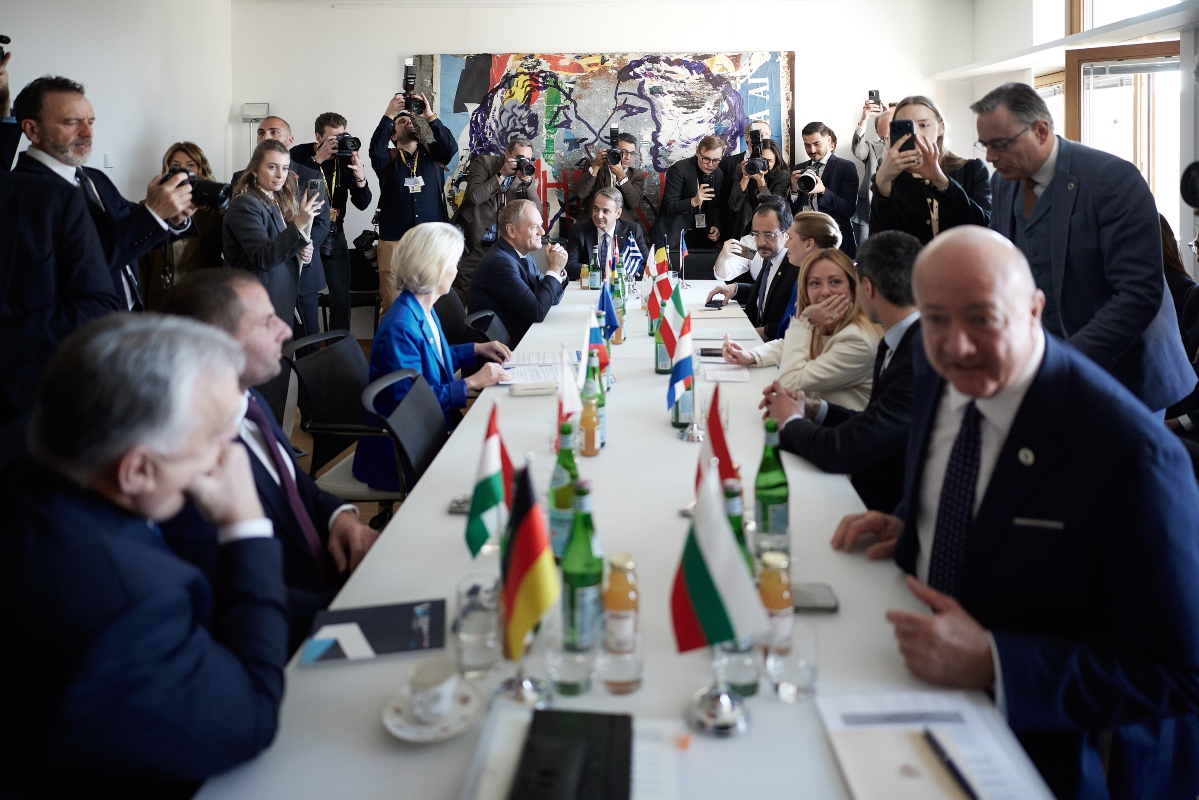
One of the summit’s most striking failures was the inability to release previously agreed financial support for Ukraine due to a veto by Viktor Orbán. Hungary’s refusal to approve a €90 billion support package — tied to unrelated energy disputes and domestic election politics — drew sharp condemnation from other EU leaders who described the veto as harmful to unity and credibility.
“A deal is a deal,” Costa said, adding that no member state should be allowed to blackmail the Council. Meanwhile, Ursula von der Leyen vowed that — “one way or another” — the loan will be delivered, underscoring Brussels’ determination to circumvent obstruction.
The impasse highlights a systemic weakness: major EU foreign policy decisions still require unanimity, giving a single state disproportionate influence over critical security choices.
Iran war and energy insecurity
Confrontations in the Middle East, particularly Iranian strikes on regional infrastructure and threats to the vital Strait of Hormuz, cast a long shadow over the summit. Although leaders called for a moratorium on strikes affecting energy and water facilities, and reinforced naval missions in adjacent waters, no concrete military or strategic commitments were made.
Energy disruption has tangible consequences: gas and oil prices have surged across Europe, triggering discussions on tax cuts, subsidies, and grid reforms — yet even here, disagreements emerged between short‑term economic relief and long‑term climate policy goals.
Internal fractures and the limits of EU influence
Observers described the summit as a paralysis test for EU foreign policy. Key disagreements included:
- Unanimity deadlock on Ukraine support due to Hungary’s veto
- Reluctance to engage militarily in the Middle East, despite calls from the Donald Trump administration for support in securing the Strait of Hormuz — a stance that European leaders publicly declined. Competing priorities, with debate focusing over emissions trading reforms and economic measures rather than coordinated foreign policy responses.
These divisions echo broader debates about the EU’s role as a geopolitical actor: whether it should lean into strategic autonomy or remain tethered to individual national interests.
Analysis: What the summit reveals about EU power
The summit’s limited outcomes underscore several structural and strategic issues facing Europe:
Decision‑making constraints
Requiring consensus among 27 states on foreign policy leaves the Union vulnerable to deadlock, as in the Ukraine funding case.
Divergent national interests
Member states’ priorities — from defensive alliances and energy security to upcoming elections — often conflict, diluting unified action.
Strategic ambiguity
Although the EU aspires to be a central security actor, its focus on internal reforms and economic policy during crises projects an image of hesitation rather than resolve — a contrast to more assertive partners like the United States.
Outlook: Next steps and mounting pressure
With crises persisting on its borders and beyond, the EU faces mounting pressure to reform its decision‑making mechanisms and clarify its strategic priorities. Diplomatic efforts to bypass vetoes, strengthen economic relief measures, and explore collective security cooperation will likely dominate future debates — but only if member states can bridge deep political divisions.
Source: pagenews.gr
Διαβάστε όλες τις τελευταίες Ειδήσεις από την Ελλάδα και τον Κόσμο






Το σχόλιο σας