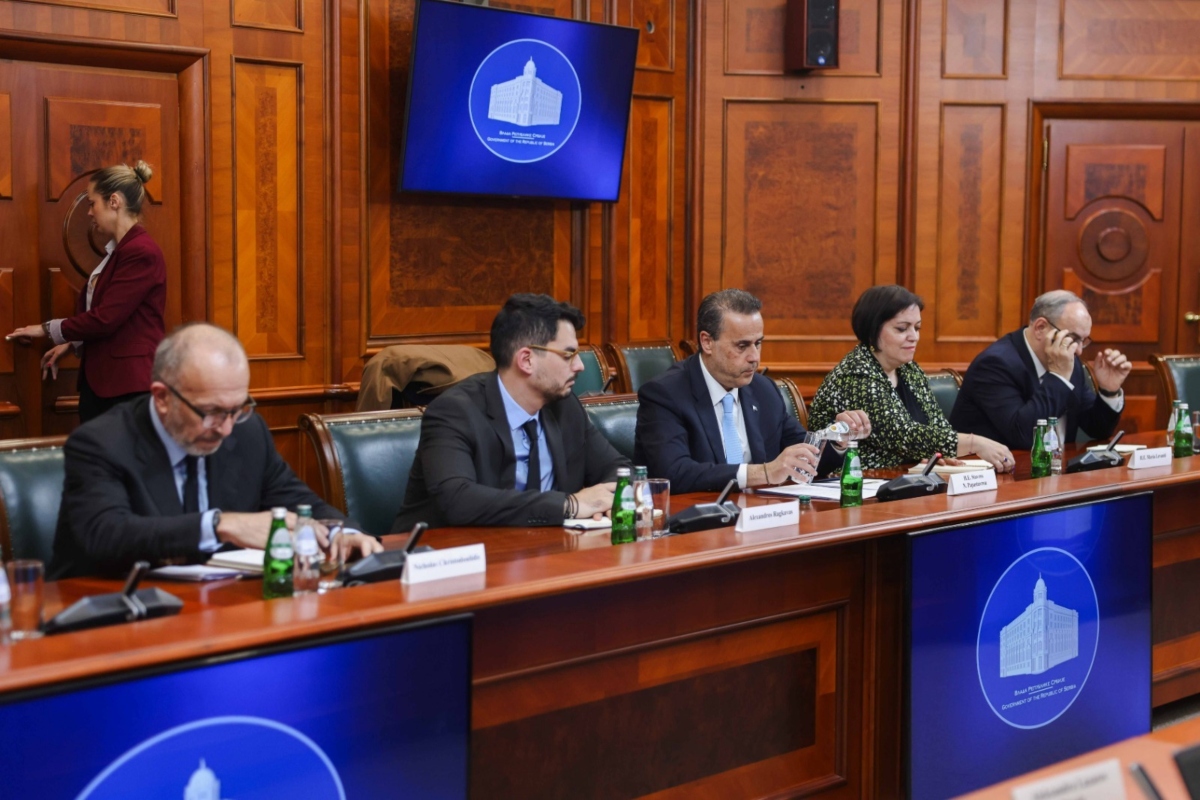
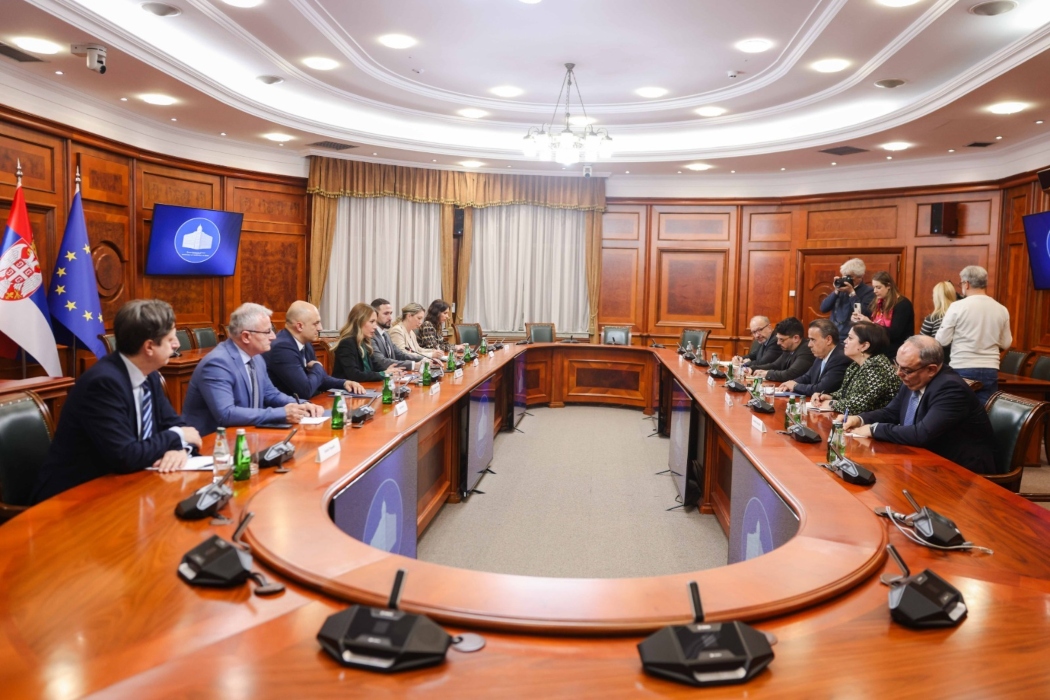
In a move that signals a shift in European energy and geopolitical strategy, Greek Minister of Environment and Energy Stavros Papastavrou met with Serbian counterparts in Belgrade this week to strengthen cooperation on critical energy infrastructure, diversification of supply sources and regional grid interconnections — all under the shadow of ongoing crises affecting global energy markets.
“Energy is not just economic — it is national security and sovereignty.”
In a joint statement, Papastavrou positioned the Greece–Serbia cooperation as an active solution to European energy insecurity, not merely a bilateral agreement.
“Today’s meeting confirms once again the high level of relations between Greece and Serbia… In times of uncertainty, energy is a matter of national security,” he stated, stressing that reinforcing infrastructure and diversifying sources is essential for regional stability.
His remarks came amid heightened volatility in global energy markets due to geopolitical tensions — including the war in Ukraine and escalating frictions in the Middle East that have disrupted supply routes and boosted prices across Europe.
Greece as a Regional Energy Gateway
A central theme of the discussions was Greece’s expanding role as a regional energy hub, built on LNG terminals, cross‑border gas pipelines and electrical grid interconnections that can serve multiple markets. The strategic vision is for Greece to act as an entry point for diversified supplies — including U.S. liquefied natural gas (LNG) — to Southeast and Central Europe.
Papastavrou highlighted projects along the so‑called Vertical Corridor, linking energy networks from the Balkans to Central Europe. These include:
- potential gas interconnectors between Serbia and Bulgaria
- expanded pipelines connecting Serbia with North Macedonia
- and transmission upgrades linking Greece to neighboring power markets
Such grid enhancements aim to increase flexibility and security of supply across borders.


Serbia’s Energy Strategy
Serbian leaders underscored the benefits of tightening energy links with Greece. Officials noted plans for pipeline extensions capable of transporting over 4 billion cubic meters of natural gas annually, offering Serbia—and its neighbors—improved access to multiple supply pathways. This diversifies sources beyond traditional routes and aligns with broader European policies aimed at reducing reliance on single suppliers.
Europe’s Broader Energy Security Agenda
The talks in Belgrade occur at a critical juncture for European energy policy. Brussels recently endorsed a stepwise ban on Russian pipeline gas imports by 2027, part of the EU’s strategy to reduce dependency on Moscow and bolster supply resilience.
Simultaneously, the EU increasingly looks to expand U.S. LNG imports and build alternative supply chains — a development supported by both public and private sector stakeholders across Central and Southeast Europe. These moves reflect a growing consensus that diversified access to LNG and new transit corridors is key to enduring energy security.
Geopolitical Context and Market Implications
The Russia‑Ukraine conflict and instability in the Middle East have underscored how geopolitical events transmit rapidly into energy markets:
- Russian gas cutbacks have forced Europe to find alternative sources and routes.
- Middle Eastern supply disruptions have elevated crude and LNG prices worldwide.
- Diversification projects — including Greece–Serbia cooperation — are increasingly viewed as insurance against future shocks.
By positioning itself as a reliable gateway for multiple energy flows, Greece seeks to play a stabilizing role in regional supply dynamics.
Strategic Analysis: Why This Matters
This enhanced Greece–Serbia energy cooperation reflects several broader trends:
Diversification as strategic imperative
Europe’s push to reduce dependency on any single supplier — especially Russia — has accelerated infrastructure partnerships that increase supply options and routes.

Energy infrastructure as geopolitical leverage
Cross‑border grids and pipeline networks not only deliver power and gas but also strengthen political ties and economic interdependence.
Regional alliances reshape European energy maps
Collaborations between EU and non‑EU states (like Serbia) demonstrate an expanding view of energy security that transcends formal membership — recognizing networks and supply resilience as continental priorities.
Source: pagenews.gr