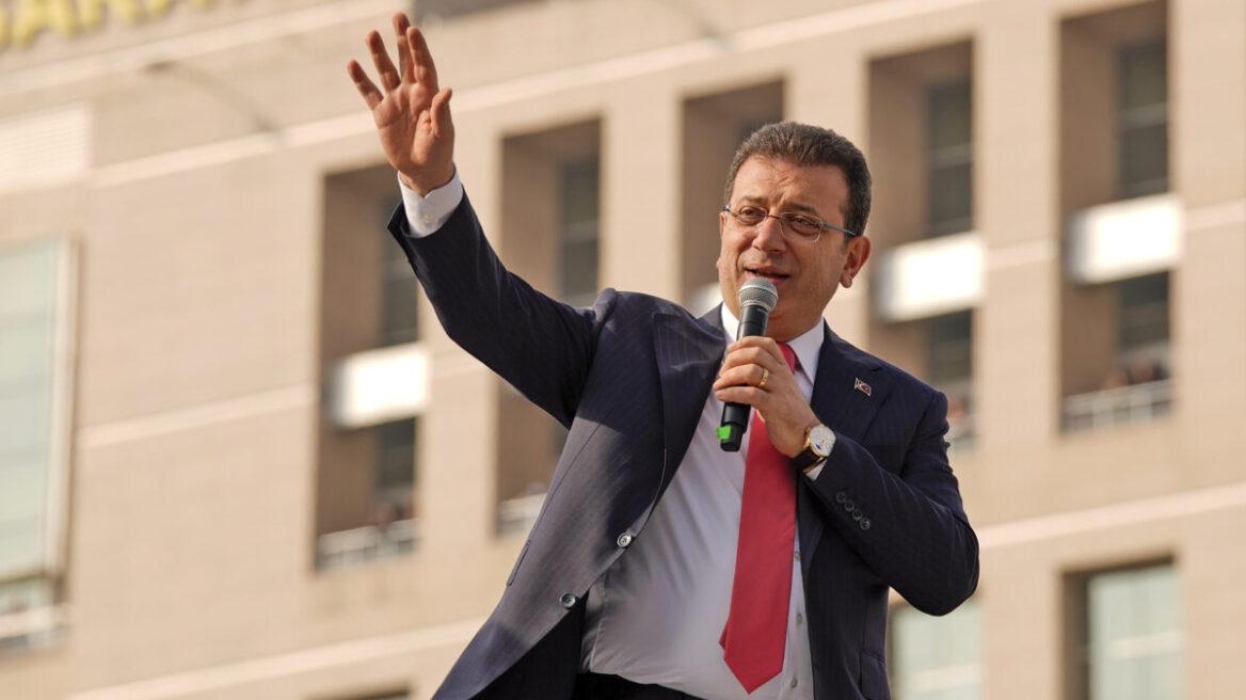
Writing from Silivri prison, the jailed mayor of Istanbul, Ekrem İmamoğlu, delivers a striking intervention in the global debate over the escalating conflict in Iran and the broader crisis in the Middle East.
“We are not merely witnessing a shift in politics, but the collapse of the international order.”
His message comes amid intensifying tensions involving the United States and Israel, where power politics once again dominates global affairs.
The End of Old Assumptions
İmamoğlu frames the crisis as a historic rupture, echoing arguments associated with Mark Carney:
“The assumptions that shaped the past three decades—economic interdependence, global governance, technological progress—are rapidly losing credibility.”
Global analyses (Project Syndicate, Crisis Group) increasingly support this view: globalization is no longer a safeguard against conflict, but a terrain of strategic competition.
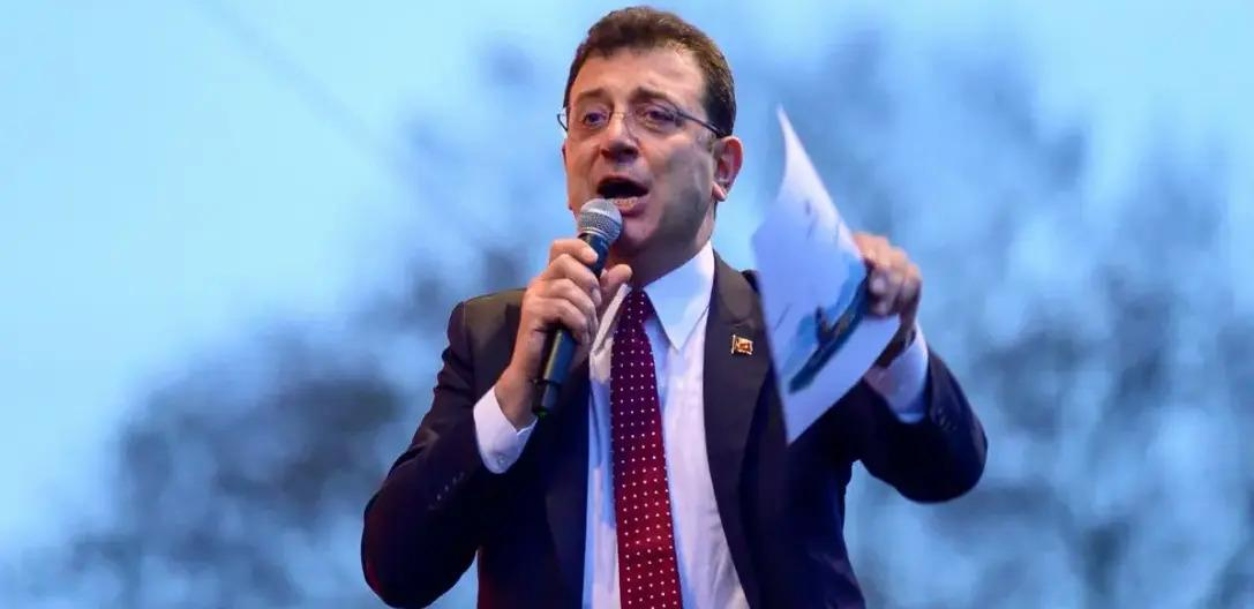

Middle Powers Step In
At the core of İmamoğlu’s argument is a decisive shift:
“The practical work of de-escalation is increasingly falling to middle powers.”
Countries such as Turkey, India, Brazil, and Indonesia are expanding their roles through:
- mediation efforts
- prisoner exchanges
- humanitarian corridors
- backchannel diplomacy
As analysts note:
“Middle powers move faster than great powers because they are less constrained by systemic rivalries.”
Strategic Signals and Global Reactions
The crisis has triggered sharp rhetoric and clear alignments:
- Vladimir Putin заявил that Russia remains a “reliable partner” to Iran
- Tehran warns of “zero restraint” if energy infrastructure is targeted
- Western governments consider flexible sanctions on Iranian oil to stabilize markets
The result is a global ripple effect, impacting energy prices, inflation, and supply chains.
A Direct Critique of Erdoğan’s Turkey
Without naming him explicitly, İmamoğlu delivers a pointed critique of Recep Tayyip Erdoğan:
“In countries where the law is used as a weapon to silence opposition, calls for a just international order lose credibility.”
The implication is clear:
- Geopolitical influence without democratic legitimacy is fragile
- Middle powers cannot act as credible mediators without rule of law
Democracy vs Authoritarianism
İmamoğlu draws a sharp dividing line for the emerging global system:
“The force of law must replace the law of force.”
Think tank analyses echo this conclusion:
- Authoritarian regimes may manage crises in the short term
- But they struggle to build durable, rules-based international systems
The intervention by Ekrem İmamoğlu is more than a political statement from prison—it is a coherent geopolitical doctrine:
- shifting influence from great to middle powers
- anchoring diplomacy in democratic legitimacy
- rebuilding multilateralism on new foundations
In a world drifting back toward raw power politics, his message resonates:
Global order will not be restored by the strongest—but by the most credible.